
Ametrine
Discover our ametrine collection featuring natural purple and golden gemstones that combine the beauty of amethyst and citrine in one stone. Choose from ametrine jewelry, raw ametrine, polished stones, beads, spheres, pendants, bracelets, earrings, necklaces, and rings. Also known as Bolivian ametrine or bolivianite, each ametrine crystal displays its own color zoning and natural pattern. We supply ametrine gemstones for crystal retailers, jewelry makers, gift shops, designers, and wholesale buyers.
Showing the single result
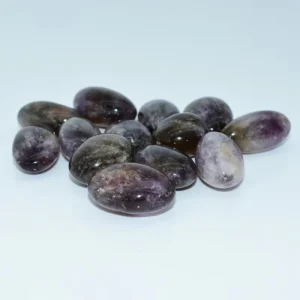
Natural Ametrine Stones and Jewelry
Ametrine is a distinctive bicolor quartz gemstone that combines purple amethyst and golden-yellow citrine within the same crystal. Its contrasting colors make it easy to recognize and popular among gemstone collectors, jewelry designers, crystal shops, and gift retailers.
A natural ametrine stone may show a clear division between purple and yellow, while other pieces have softer blended areas. The depth, balance, and position of the colors vary from stone to stone. These natural differences give every ametrine gem its own appearance.
Ametrine is also known in the gemstone market as Bolivian ametrine, bolivianite, or bolivianita because important commercial material comes from Bolivia. Some buyers informally call it amethyst citrine, golden amethyst, orange amethyst, or yellow amethyst. However, ametrine is the most accurate and widely recognized product name.
Ametrine Jewelry for Retail and Wholesale Buyers
Our collection includes different types of ametrine jewelry for retail display, custom jewelry production, and bulk sourcing. Popular options may include:
- Ametrine rings and adjustable ring designs
- Ametrine earrings for gemstone jewelry collections
- Ametrine necklaces and pendants
- Ametrine bracelets and bead strands
- Loose ametrine gemstones for custom settings
- Ametrine beads for jewelry making
An ametrine ring or pendant often highlights the transition between purple and yellow. Smaller ametrine beads are suitable for bracelets, necklaces, earrings, and mixed gemstone designs. Buyers can also combine ametrine with clear quartz, amethyst, citrine, or metal accessories to create different jewelry styles.
Raw, Polished, and Decorative Ametrine
In addition to finished jewelry, we offer ametrine crystal products in several forms. Raw ametrine retains more of the natural crystal structure, making it suitable for collectors, mineral displays, and crystal shops.
Polished ametrine gemstones provide a smoother surface and make the color zoning easier to see. Ametrine spheres, tumbled stones, palm stones, and decorative pieces work well for retail displays, gift sets, home décor, and crystal collections.
Because every piece of ametrine stone has a different color ratio, wholesale buyers should confirm whether they prefer stronger purple tones, more golden areas, or a balanced combination of both colors.
How to Evaluate Ametrine Quality
The value and appearance of an amethrine gemstone depend on several factors. Buyers commonly compare:
Color Contrast
Good-quality ametrine usually has visible purple and golden-yellow sections. Stronger color contrast can make the gemstone more attractive, although some customers prefer softer blended shades.
Clarity
Transparent ametrine gemstones are often used for faceted jewelry. Natural inclusions may be present in raw crystals, beads, spheres, or decorative stones. The acceptable clarity level depends on the product type and target market.
Cutting and Polishing
The cut should display both amethyst and citrine colors whenever possible. For beads, spheres, pendants, and cabochons, smooth polishing and consistent shapes are important for commercial orders.
Natural Variation
No two ametrine crystals are exactly the same. Color zoning, inclusions, shape, and shade may vary between pieces. Wholesale buyers should consider this variation when planning product photos, assortments, and customer expectations.
Ametrine Wholesale Supply
We supply ametrine gemstones and jewelry for wholesalers, importers, crystal stores, jewelry brands, online sellers, gift shops, and craft businesses. Available products may include loose stones, raw specimens, beads, spheres, bracelets, necklaces, earrings, pendants, and ametrine rings.
For bulk orders, we can discuss product size, grade, color preference, quantity, packaging, and private-label requirements. Mixed assortments are also useful for buyers who want to test several ametrine products before placing a larger repeat order.
Conclusion
Ametrine combines the purple beauty of amethyst with the warm golden tones of citrine, giving retailers and jewelry makers a gemstone that is colorful, recognizable, and easy to use in different product lines. From raw ametrine and polished stones to ametrine jewelry, beads, spheres, pendants, and rings, this collection offers options for both retail display and bulk sourcing.
Contact us today to request current ametrine styles, wholesale prices, available quantities, and custom packaging options.
Frequently Asked Questions
Is ametrine worth anything?
Yes. Natural ametrine has commercial value, especially when it shows attractive purple and yellow color zoning, good clarity, and professional cutting. The price depends on the gemstone’s size, color contrast, clarity, origin, treatment, and overall quality. Finished ametrine jewelry may also have additional value based on the metal, design, and workmanship.
What is ametrine crystal good for?
Ametrine crystal is commonly used in jewelry, gemstone collections, meditation accessories, home décor, and crystal gifts. In spiritual traditions, it is often associated with balance, clarity, creativity, and motivation because it combines amethyst and citrine colors. These spiritual meanings are based on personal beliefs rather than proven medical effects.
Is ametrine a rare gemstone?
Natural ametrine is less common than standard amethyst or citrine because both colors must appear naturally within the same quartz crystal. Most well-known commercial material is associated with Bolivia. However, ametrine is still available in the gemstone market, so its rarity depends on the size, clarity, color balance, and quality of the individual stone.
Why is ametrine so cheap?
Some ametrine is affordable because quartz is generally more available than many precious gemstones. Smaller stones, pale colors, uneven zoning, visible inclusions, or treated material may sell at lower prices. High-quality natural Bolivian ametrine with strong purple and golden color contrast, good clarity, and an attractive cut can be significantly more valuable.
How can you tell if ametrine is real?
Real ametrine normally shows natural purple and yellow color zoning rather than an artificial-looking surface coating. Buyers should check the stone under different lighting and look for natural internal characteristics. Extremely bright colors, identical patterns across many pieces, or unusually low prices may require further verification. For valuable gemstones, a report from a qualified gemological laboratory provides the most reliable confirmation.