
Stone Beads
Explore stone beads at Rocrystal for bracelet making, necklace designs, and retail bead collections. Our range includes natural stone beads, crystal beads, and gemstone beads in different colors, sizes, and finishes. Choose amethyst, rose quartz, agate, moonstone, pyrite, and other materials to suit your customers and designs. From polished round beads to faceted styles, compare options for your next wholesale order. Share your preferred stones, bead sizes, and quantities with us to request availability and a bulk quotation.
Showing 1–12 of 18 results
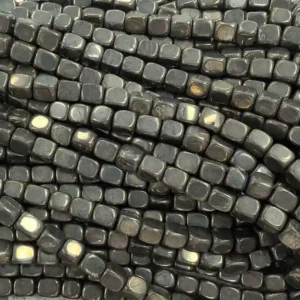
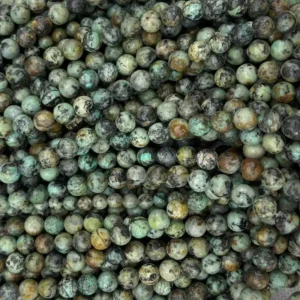
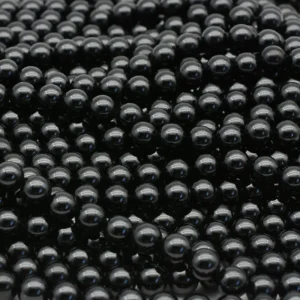
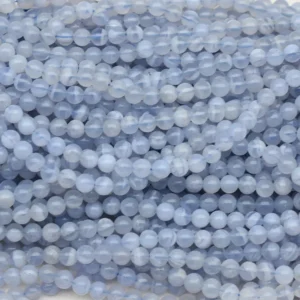
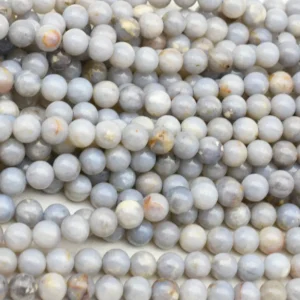
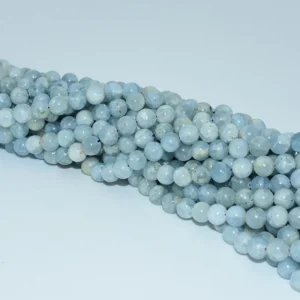
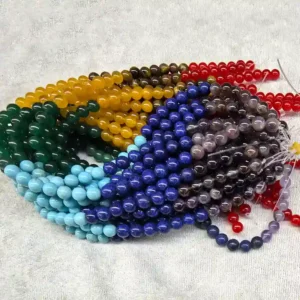
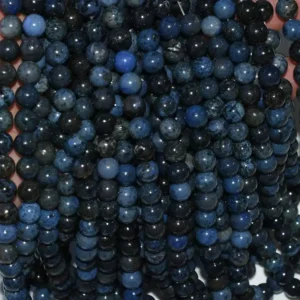
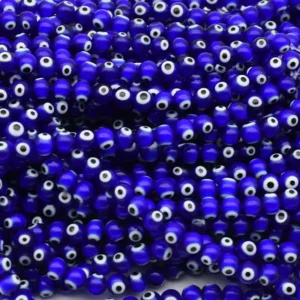
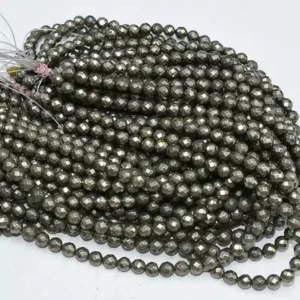
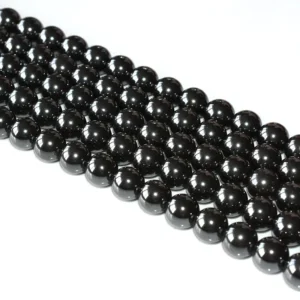
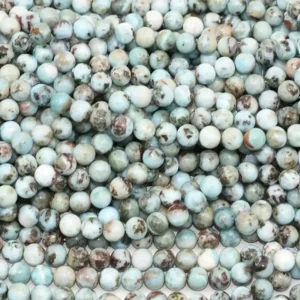
Explore Stone Beads by Material and Color
The right stone beads help you build a jewelry range with clear choices in color, texture, and price. At Rocrystal, this collection brings together options for bead retailers, jewelry designers, bracelet makers, and crystal shops.
For soft color combinations, explore rose quartz beads, amethyst beads, and moonstone beads. Clear quartz beads suit designs that need a light, transparent look. Agate beads and jasper beads offer patterns that give individual pieces their own character.
Darker choices include black obsidian beads, black tourmaline beads, and black spinel beads. Pyrite beads add a metallic appearance, while natural malachite beads bring distinctive green bands.
Many buyers use the terms gemstone beads, crystal beads, and semi precious stone beads when searching for jewelry materials. Check each product’s material details, since these broad names alone do not confirm its origin or treatment.
Choose Bead Sizes and Finishes for Your Designs
When selecting stone beads for jewelry making, consider the finished piece as well as the appearance of the loose beads. Diameter, hole size, shape, and weight all affect how a design comes together.
Polished Round Beads
Round beads are easy to combine in repeat patterns, stretch bracelets, and necklaces. Smaller sizes suit delicate designs or spacers. Larger beads create a stronger focal point but also add weight.
Common size options across our bead range include 4mm, 6mm, 8mm, 10mm, and 12mm. Availability varies by stone, so check the individual product before planning your order.
Faceted Gemstone Beads
Faceted stone beads reflect light from several surfaces. They work well in necklaces, earrings, and bracelets that need extra detail. Compare the cutting and polish when choosing faceted gemstone beads, especially for designs with repeated sections.
Bead Strands and Stringing Requirements
For bead strands, confirm the strand length and approximate bead count. The number of beads changes with their diameter and shape.
Choose hole sizes that suit your elastic cord, thread, or wire. Buyers sourcing stone beads for bracelet making should also allow for knots, spacers, and the intended wrist size.
Compare Natural Appearance and Bead Quality
Natural gemstone beads can vary in shade, clarity, pattern, and inclusions. These differences give stones their character, but buyers still need a clear idea of the appearance they will receive.
For agate and malachite, examine the pattern as well as the color. With transparent crystal beads, compare clarity and visible inclusions. For all materials, check the surface finish, bead shape, and condition around the drill holes.
Useful points to confirm before ordering include:
- Material identity and any disclosed treatments.
- Color range within the selected batch.
- Bead diameter and acceptable size variation.
- Hole size and drilling position.
- Polish, chips, and visible cracks.
Natural stone beads may be dyed or treated. Some products sold under familiar stone trade names may also be synthetic or imitation materials. Confirm these details for each item so your own product descriptions remain accurate.
Stone Beads for Bracelets, Necklaces, and Retail Sales
Different jewelry projects call for different bead choices. Natural stone beads for bracelets can be selected by color, diameter, and weight to suit everyday designs or statement pieces.
For necklaces, combine gemstone beads with smaller spacers or use a single material throughout the strand. Smaller crystal beads for jewelry making can also be used in earrings, where balanced size and weight matter.
Bead retailers can organize their range by stone type, size, or color. Clear material labels help shoppers compare products and choose beads for their own projects.
When building an assortment, include a few complementary materials rather than choosing only by appearance. Consider which sizes your customers use most and how easily each item can fit into their existing designs.
Plan Your Wholesale Stone Beads Order
A useful wholesale order starts with clear specifications. Whether you need bulk stone beads for production or a mixed selection for resale, send us the details of the items you want.
Please include:
- Stone names and preferred colors.
- Bead sizes, shapes, and finishes.
- Required quantities for each item.
- Hole size or stringing requirements.
- Packaging or labeling requests.
- Delivery destination and preferred schedule.
Minimum order quantities vary by product and size. For example, our natural black spinel bead strands have a minimum of 10 strands per size. Check each listing or contact us to confirm the requirements for your selection.
For gemstone beads wholesale orders, discuss the preferred grade and appearance before comparing prices. A clearer stone, stronger pattern, or more even finish may change the quotation.
If you need wholesale natural stone beads for repeat production, keep a record of the agreed specifications. This helps us discuss suitable options when a new batch differs from your previous order.
FAQ
How to tell if stone beads are real?
Start by asking for the material name and any treatment details. Patterns, inclusions, and drill holes may offer clues, but appearance, weight, or a cool touch cannot prove that a bead is genuine. Natural stones can be uniform, and imitations can contain convincing patterns. For higher-value purchases, consider independent gemological testing. Avoid scratch or heat tests that may damage the beads.
What are stone beads called?
Common names include gemstone beads, natural stone beads, and semi precious stone beads. Crystal beads is also used for materials such as amethyst and quartz, although the term can refer to glass products too. The specific material name gives buyers more useful information than a broad category label.
What are the most popular gemstone beads?
Familiar choices for jewelry collections include amethyst, rose quartz, agate, clear quartz, and moonstone beads. Black obsidian and tiger eye beads are also common options in bracelet designs. There is no single ranking that fits every market. Choose your assortment around your customers’ preferred colors, price range, and jewelry styles.
What are the three types of beads?
There is no universal system that divides all beads into exactly three types. A simple way to compare them is by material: stone beads, glass beads, and other materials such as metal, wood, or plastic. Within stone beads, buyers can further compare polished round beads, faceted beads, and chip beads.
What are the best types of beads?
The best beads are those that suit the design, budget, and intended use. Polished round beads work well for simple bracelets and repeat patterns. Faceted gemstone beads add reflected light and detail, while smaller beads suit delicate necklaces and earrings. For bulk purchases, material accuracy, suitable hole sizes, and consistent workmanship matter as much as appearance.
Conclusion: Build Your Stone Beads Collection with Rocrystal
A well-planned stone beads collection gives your customers useful choices in material, color, size, and finish. Compare each product’s details, account for natural variation, and confirm the specifications that matter to your designs or retail range.
Explore our stone beads collection and send Rocrystal your selected stones, sizes, and quantities. Request a wholesale quote to start planning your next bead order.