
Crystal Shapes: Meanings, Uses, and Popular Forms for Retailers and Collectors
Written by: Rocrystal Sourcing & QC Team, Last updated: June 3, 2026
Crystal shapes play an important role in today’s crystal and stone market because different forms appeal to different types of buyers. Some customers prefer smooth palm stones for display, while others collect towers, hearts, spheres, or natural crystal shapes for decoration and gifting. Shape also affects how stones are cut, polished, packaged, and presented in retail environments. In recent years, crystal shapes and meanings have become a popular topic among collectors, gift stores, and wholesale buyers looking for products that combine appearance, practicality, and strong market demand.
Different shapes of crystals also create different visual effects, which is why retailers often build collections around specific forms instead of focusing only on material type. Spheres usually create a clean and balanced appearance, while towers and points attract buyers who prefer bold display pieces. Heart shaped crystals remain popular in gift shops because they are easy to pair with seasonal collections and decorative packaging. As the market continues to grow, more businesses now pay attention to crystal shape selection when planning inventory and developing new product styles.
What Is Crystal Shape and Why Does It Matter
What Is Crystal Shape
Crystal shapes describe the external form or appearance of a mineral after it forms naturally or after craftsmen polish and carve it into a finished product. Some stones remain close to their raw structure, while others are shaped into spheres, towers, hearts, cubes, or decorative carvings. In the crystal industry, shape affects presentation, display style, handling experience, and customer preference. This is why shaped crystal products now appear in many different retail categories, from home décor collections to gift packaging and jewelry displays.
The crystal shape of quartz can vary greatly depending on how the material develops underground and how manufacturers process it after mining. Quartz often forms long pointed structures in nature, while calcite crystal shape formations usually appear softer or more layered. Natural mineral structure plays a major role in how stones are cut and polished later. Some materials work better for towers and spheres, while others are more suitable for carvings, palm stones, or decorative freeforms.
Why Shape Influences Appearance and Use
Different crystal shapes create completely different visual effects, even when the material itself stays the same. A polished sphere usually looks clean and balanced, while towers and points often create a stronger display presence because of their height and reflective surfaces. Hearts, pyramids, and palm stones appeal to different types of buyers depending on decoration style, gifting purpose, and collection habits. This is one reason why crystal shapes meaning has become an important topic for retailers and collectors who want products that fit specific markets and customer preferences.
The shapes of crystals also affect production difficulty, packaging style, and wholesale pricing. Some forms only require basic polishing, while others need detailed cutting and precise carving techniques. In geology, mineral structure determines how materials grow naturally underground, which later affects how manufacturers process them into finished products. Crystal shapes chemistry and mineral composition also influence hardness, polishing quality, and carving possibilities. Because of these differences, some stones work better for spheres and towers, while others are more suitable for carvings, cubes, or decorative freeforms.
10 Popular Crystal Shapes and Their Uses
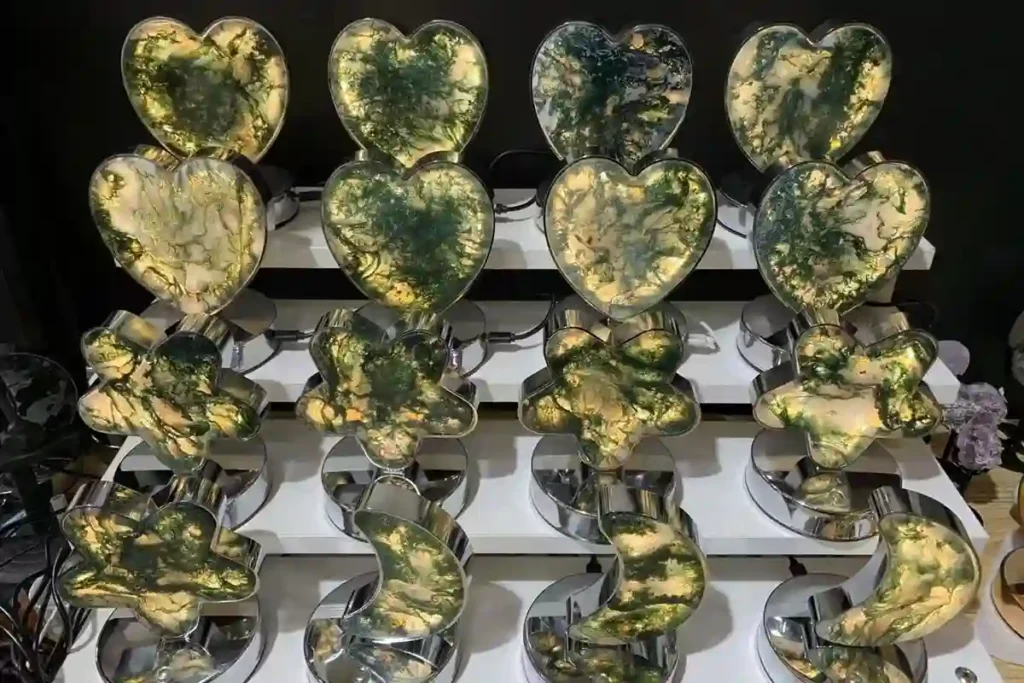
Crystal shops, gift businesses, and collectors usually carry many different forms because every shape appeals to a different type of customer. Some buyers prefer decorative carvings for home display, while others look for smaller portable pieces that are easy to collect or gift. Today, crystal shapes names cover a very wide range of styles, from simple tumbled stones to detailed geometric carvings. As product variety continues to grow, many retailers now use a crystal shapes chart to organize collections and improve product presentation.
Crystal Towers and Points
Materials such as fluorite, labradorite, smoky quartz, and Clear Quartz are commonly processed into towers because these stones show strong visual depth after polishing. Yellow stones such as Citrine and Tiger Eye are also popular tower materials and frequently appear in Solar Plexus Chakra Crystals collections.
Retailers often place towers near display lighting because reflective surfaces can make the material appear brighter and more premium. Smaller towers work well for starter collections, while large statement pieces usually attract collectors looking for decorative centerpieces. In recent years, carved points and polished towers have become increasingly popular in modern home décor collections because they combine natural material with clean geometric design.
Crystal Spheres
Crystal spheres create a smooth and balanced appearance that appeals to both collectors and decorative buyers. Their fully polished round surface allows patterns and colors to appear evenly from every direction, which makes spheres especially popular for photography, shelf displays, and gift packaging. Quartz, obsidian, fluorite, and ocean jasper are frequently shaped into spheres because these materials often show attractive internal textures after polishing.
Compared with some carved products, spheres usually require precise grinding and polishing to maintain a consistent round form. Larger spheres also need higher-quality rough material because cracks and imperfections become more visible after shaping. Many retailers like spheres because they fit easily into different display styles and pair well with stands, decorative trays, and modern interior collections.
Tumbled Stones
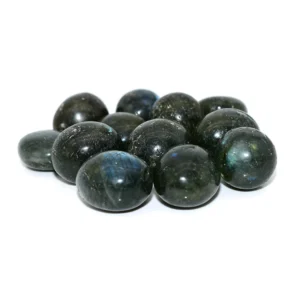
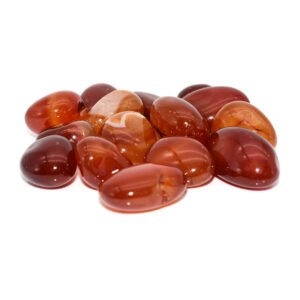
Tumbled stones remain one of the best-selling crystal products because they are affordable, easy to carry, and suitable for many different customer groups. Manufacturers create these stones by placing rough material into polishing machines that gradually smooth the surface over time. The finished stones usually feel comfortable in the hand and work well for gift bags, starter collections, decorative bowls, and pocket-size displays. Because of their lower production cost, tumbled stones are often one of the first products new retailers choose when building inventory.
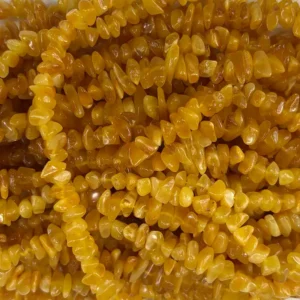
Many crystal businesses also prefer tumbled stones because they are easier to package and ship compared with larger carvings or fragile display pieces. Different materials can create completely different visual styles after polishing, which gives retailers more flexibility when building collections. Different materials can create completely different visual styles after polishing, which gives retailers more flexibility when building collections. Popular stones such as Citrine, Amethyst, Rose Quartz, and Green Aventurine are also commonly used in Positive Energy Crystals collections because they are affordable, easy to carry, and suitable for beginners. Labradorite may show bright flashes, while rose quartz creates a softer appearance and fluorite often displays colorful banding. Chip stones and small polished forms also continue to grow in popularity because they fit well into jewelry making, craft projects, and decorative packaging.
Crystal Hearts
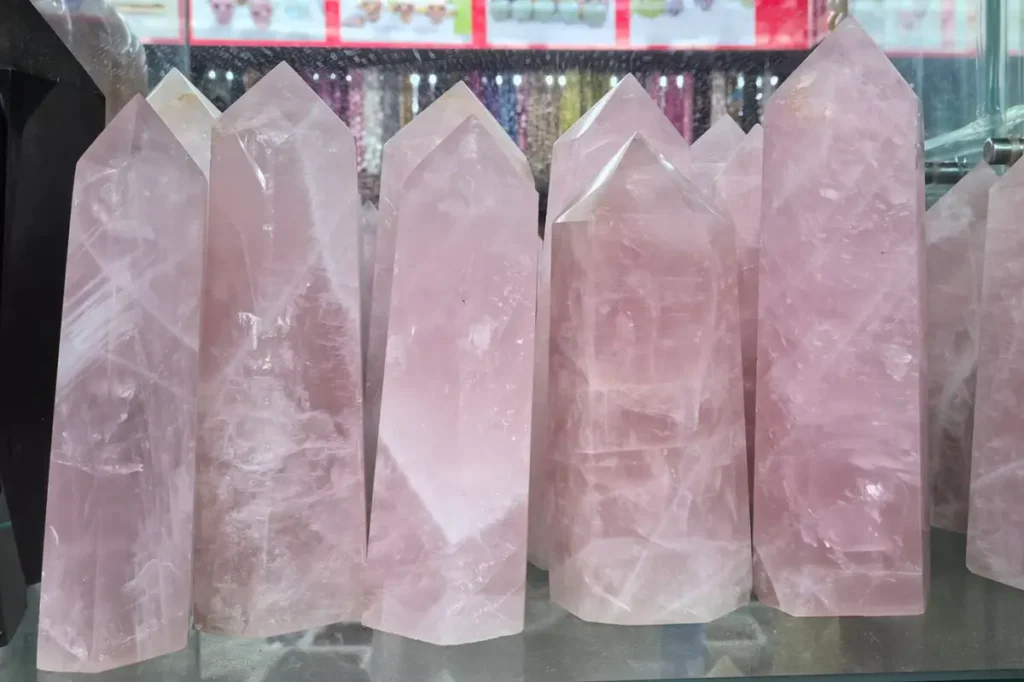
Rose Quartz is one of the most common materials used for crystal heart-shaped products because of its strong association with love and emotional balance. For this reason, crystal hearts are frequently featured in Heart Chakra Crystal collections, although many suppliers also produce hearts using fluorite, obsidian, amethyst, and jasper.
The market for heart carvings has expanded significantly over the past few years because customers increasingly purchase decorative stones as gifts instead of only for collecting purposes. Some retailers also combine hearts with accessories such as stands, velvet bags, or heart shaped crystal bowl displays to improve presentation value. Smaller hearts usually sell quickly because they are affordable and easy to package, while larger carved hearts often appeal to collectors looking for decorative statement pieces.
Palm Stones
Palm stones are designed to fit comfortably in the hand, which makes them one of the most practical crystal forms in today’s market. Their flat polished surface creates a smooth feeling and allows natural colors and patterns to remain highly visible after polishing. Retailers often include palm stones in gift collections because they are compact, easy to display, and suitable for a wide range of materials. Labradorite, worry stone fluorite, rose quartz, and obsidian are commonly processed into this shape because these materials polish well and maintain attractive surface details.
Compared with towers or freeforms, palm stones are usually easier to ship and less likely to break during transportation. Their balanced size also makes them popular for travel collections, decorative trays, and desk displays. Some businesses package palm stones individually, while others combine several materials into mixed collections for seasonal sales. Because they work well across different price ranges, palm stones continue to attract both beginner buyers and long-term collectors.
Pyramids
Crystal pyramids stand out because of their sharp geometric structure and polished reflective surfaces. The clean triangular design gives these carvings a more architectural appearance compared with softer forms like hearts or palm stones. Materials with strong banding or bright internal color, such as fluorite, lapis lazuli, and tiger eye, often look especially attractive after pyramid carving because the polished faces highlight natural patterns from multiple angles.
Pyramids are frequently used as decorative centerpiece products because they display well on shelves, office desks, and home décor setups. Smaller pyramids usually work well for gift collections, while larger carvings attract collectors who prefer statement pieces with stronger visual impact. Production quality matters greatly with this shape because uneven cutting or poor polishing can make the structure appear less balanced. For this reason, high-quality pyramids often require more careful shaping and finishing during manufacturing.
Eggs and Yoni Eggs
Crystal eggs have remained popular for many years because their smooth oval shape creates a clean and elegant appearance. Many collectors appreciate egg carvings because they display natural colors and internal patterns evenly across the polished surface. Materials such as rose quartz, obsidian, jade, fluorite, and clear quartz are frequently processed into eggs because these stones can maintain a smooth finish after polishing. Smaller eggs often work well for decorative displays, while larger carvings attract buyers looking for statement pieces.
Yoni eggs represent a more specialized category within the crystal market and are commonly sold in wellness shops and personal care collections. Because these products require precise shaping and smooth polishing, manufacturers must pay close attention to material quality during production. Cracks, rough surfaces, or unstable structures can affect the final appearance and durability of the product. For this reason, many wholesale buyers prefer suppliers that provide careful polishing, stable sizing, and quality inspection before shipment.
Cubes and Geometric Forms
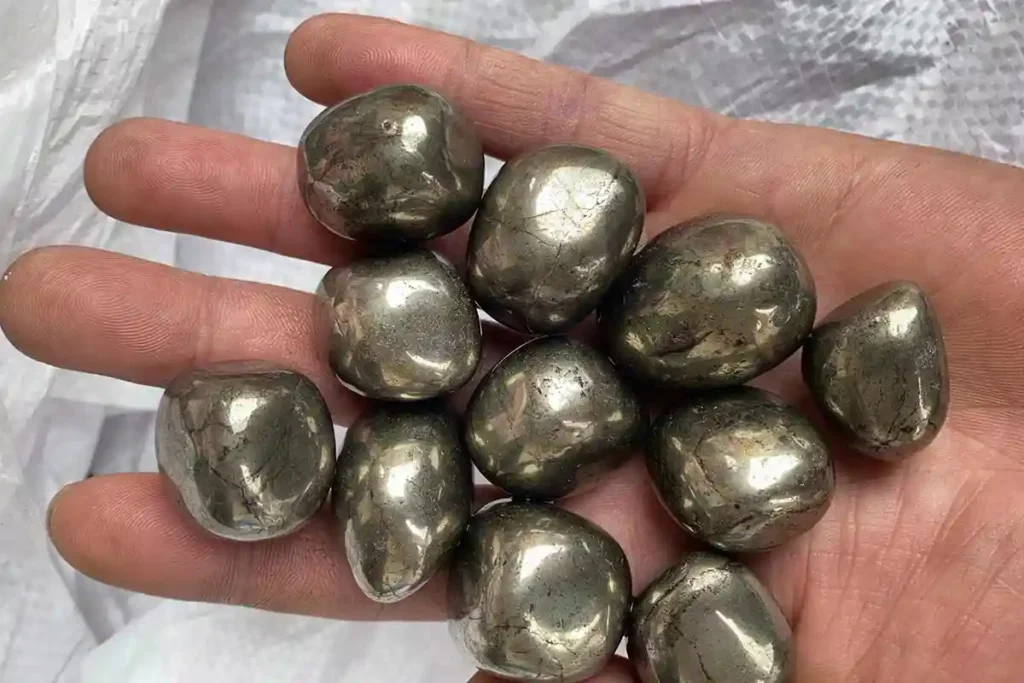
Geometric carvings have become increasingly popular because modern buyers often prefer products with clean lines and structured designs. Cubes, hexagons, octagons, and rhomboid shaped crystals create a more contemporary appearance compared with traditional polished forms. Fluorite remains one of the most common materials for cube carvings because natural fluorite already develops cubic formations underground. Pyrite and galena also attract collectors because their natural mineral structures often create highly geometric surfaces.
Retailers frequently combine geometric carvings with minimalist home décor collections because these products fit modern interior styles very well. Smaller cubes are easy to package and display, while larger geometric carvings usually appeal to collectors who enjoy unusual mineral structures. Precision cutting is especially important for these products because uneven angles can reduce overall visual quality. As demand for modern decorative stones continues to grow, geometric crystal forms have become an important category in both retail and wholesale markets.
Freeforms and Flames
Freeforms and flame carvings attract buyers who want products with a more artistic and natural appearance. Unlike spheres or cubes, these shapes do not follow strict geometric rules, which allows craftsmen to highlight the natural colors, patterns, and textures of each stone. Labradorite, ocean jasper, fluorite, and agate are often used for freeforms because their internal details become more visible after carving and polishing. Every piece usually looks slightly different, which increases its uniqueness and collectible appeal.
Freeforms are often viewed as higher-value decorative products because they often require more manual shaping and polishing than simpler crystal forms. Flame carvings have also gained popularity in recent years because their curved structure creates a flowing appearance that works well in modern home décor collections. Since no two carvings look exactly alike, these products usually attract customers searching for one-of-a-kind display pieces instead of mass-produced items.
Clusters and Geodes
Clusters and geodes remain popular because they preserve a more natural mineral appearance compared with polished carvings. Crystal clusters form when multiple crystal points grow together on the same base, creating textured surfaces and layered structures. Amethyst and quartz are among the most common materials used in this category because they naturally develop strong crystal formations underground. Geodes often feature hollow interiors filled with sparkling mineral growth, which makes them highly attractive for decorative display.
Unlike heavily polished products, clusters and geodes usually require less shaping during processing because much of their appeal comes from their natural structure. Many collectors appreciate these pieces because they showcase how minerals develop in nature over long periods of time. Retailers also like clusters because they fit many different display styles, from modern interiors to natural stone collections. Larger geodes often become centerpiece products due to their size, crystal coverage, and strong visual impact.
How Retailers Choose the Right Crystal Shapes
Retailers usually choose crystal products based on customer preference, display style, pricing range, and current market trends. Some stores focus on decorative carvings for home collections, while others prefer smaller portable products that are easier to package and sell in large quantities. Because every market has different customer habits, choosing the right crystal shapes often becomes one of the most important parts of inventory planning. Businesses that carry a wider range of forms can usually attract more types of buyers and create stronger repeat purchasing opportunities.
Best-Selling Shapes in Different Markets
Different regions often show different buying preferences when it comes to crystal products. In North America, towers, freeforms, and decorative spheres remain highly popular because customers frequently use them for shelf displays and interior decoration. European buyers often prefer elegant carvings, polished palm stones, and smaller gift-ready products that work well in boutique shops and souvenir collections. Social media trends have also increased demand for visually unique carvings because unusual shapes attract more attention in photos and short-form videos.
In recent years, many retailers have started focusing more on products that combine decorative value with strong presentation quality. Flame carvings, geometric cubes, polished hearts, and statement spheres continue to perform well because these products photograph easily and stand out visually in store displays. Smaller tumbled stones still maintain strong demand because they remain affordable and simple to package. As trends continue to evolve, stores often adjust product selection based on seasonal demand, display style, and customer age groups.
Which Shapes Have Higher Profit Margins
Profit margins can vary greatly depending on the complexity of the carving process and the rarity of the finished product. Simple tumbled stones and basic palm stones usually move quickly because they are affordable and easy to restock. More detailed carvings, however, often generate higher profit margins because they require additional labor, shaping skill, and polishing time. Freeforms, flames, geometric carvings, and premium spheres usually belong to this higher-value category.
Over the past few years, many businesses have noticed that faceted beads and cut designs now perform better than traditional round beads in some markets. Although production quantities for these products are often smaller, the overall profit margin can be significantly higher because customers view them as more unique and modern. This shift has encouraged many suppliers to develop new carving styles and experimental shapes instead of relying only on traditional polished products.
Material and Shape Matching
Not every stone works well with every carving style, which is why experienced manufacturers pay close attention to material and shape matching before production begins. Some minerals contain natural fractures or layered structures that make certain carvings more difficult to produce. Labradorite, for example, often performs very well in towers and freeforms because large polished surfaces can better display the material’s colorful flashes. Rose quartz usually works beautifully for hearts and palm stones because its soft color pairs naturally with smooth rounded forms.
Fluorite is another material that adapts well to many geometric carvings because its banding and transparency become highly visible after polishing. Natural cubic formations also make fluorite especially suitable for cube designs and structured decorative pieces. In contrast, softer materials sometimes require thicker carving styles to reduce breakage during processing and shipping. Even the crystal shape of galena attracts collectors because its natural metallic cubic structure already creates a strong geometric appearance before polishing begins.
My Experience in the Crystal Business
After working in the crystal & stone business for many years, we have seen how quickly customer preferences can change across different markets and product categories. In the past, round beads and simple polished stones dominated many collections because they were affordable, easy to produce, and simple to display. Today, buyers often look for more visually unique products that stand out from standard inventory. Because of this shift, crystal shapes now play a much larger role in wholesale planning, product photography, and retail presentation than they did several years ago.
Shape Trends Have Changed Over the Years
One of the biggest changes we have noticed is the growing demand for carved and faceted products instead of only traditional polished forms. Towers, flames, cubes, palm stones, and decorative carvings have become increasingly popular because customers want products that feel more modern and visually distinctive. Cut beads also continue to gain popularity in many markets. Although these products are usually produced in smaller quantities, they often create higher profit margins because customers view them as more detailed and premium.
At the same time, classic products such as tumbled stones and spheres still maintain strong long-term demand because they remain easy to display, collect, and package. Many retailers now combine traditional polished products with newer carving styles to create more balanced collections. This approach allows stores to attract both beginner buyers and experienced collectors who are searching for unique materials, unusual carvings, or limited production styles.
Why Variety Matters in Wholesale
One thing we learned over the years is that customers rarely purchase only one type of carving or polished form. Most buyers prefer stores that offer a wide variety of products because different crystal forms appeal to different shopping habits and display styles. Some customers focus on decorative pieces such as spheres, pyramids, and flames, while others prefer practical products like chip stone collections, pendulums, palm stones, or tumbled stones. Because of this, maintaining product variety has become extremely important in today’s wholesale market.
The crystal industry now includes a huge range of carving styles and polished products. Besides traditional forms, many retailers also purchase donuts, cube carvings, animal carvings, square stones, drop pendants, and freeform display pieces. Every category has its own customer group and sales potential. Some styles generate high sales volume, while others move more slowly but create stronger profit margins. This is one reason why many suppliers continue developing new designs instead of relying only on older product lines.
We have also noticed that repeat customers usually look for new shapes and updated collections every season. Stores want products that help their inventory feel fresh and different from competitors. To support this demand, we continue expanding our carving selection and preparing new styles based on current market trends. By offering more choices, suppliers can improve customer retention and help retailers create more visually attractive collections for their buyers.
Our Approach to Product Development
Our team works with many different materials and carving styles because market demand changes quickly from year to year. Some products become highly popular because of social media trends, while others gain attention through seasonal gift demand or interior decoration styles. Instead of focusing only on one product category, we try to maintain a balanced inventory that includes both classic polished forms and newer carving designs.
Preparation is also very important in wholesale supply. When we see certain styles becoming more popular, we often begin developing inventory earlier so customers can secure stock before demand increases further. This approach helps improve supply stability and gives retailers more flexibility when planning future collections. Over time, we believe strong long-term business relationships come from reliable product quality, steady communication, and the ability to adapt to changing market trends.
Looking for Wholesale Crystal Shapes?
At Rocrystal, we supply a wide range of crystal carvings and polished stone products for retailers, gift shops, and bulk buyers worldwide. Our collection includes towers, spheres, hearts, palm stones, pyramids, freeforms, chip stones, pendulums, animal carvings, and many other popular crystal forms.
If you would like updated inventory lists, product videos, or wholesale pricing, feel free to contact us through WhatsApp or our inquiry form. We are always happy to help customers explore suitable crystal collections for different markets and sales styles.
Crystal Shapes Chart and Quick Buying Guide
Many retailers use a simple crystal shapes chart when planning inventory because different forms fit different customer groups, pricing levels, and display styles. Some products work better for beginner collections, while others are more suitable for decorative displays or premium collector markets. Understanding these differences can help businesses choose products more efficiently and reduce unnecessary inventory pressure. Stores that carry a balanced mix of shapes often have more flexibility when responding to changing customer demand and seasonal sales trends.
Quick Comparison of Popular Shapes
Tumbled stones usually remain one of the easiest products to sell because they are affordable, lightweight, and suitable for many types of customers. Palm stones and hearts also perform well in gift collections because they are compact and easy to package. Towers, flames, and freeforms generally attract buyers who prefer decorative display pieces with stronger visual impact. Spheres often appeal to collectors and home décor customers because their polished round shape creates a clean and elegant appearance.
Geometric carvings such as cubes and pyramids continue to grow in popularity because modern buyers increasingly prefer structured and minimalist designs. Clusters and geodes remain strong sellers as well because they preserve a more natural mineral appearance compared with polished carvings. Businesses that combine multiple product categories usually create more balanced collections because they can serve both entry-level buyers and higher-end collectors at the same time.
Recommended Shapes for Beginners
New retailers often start with products that are affordable, easy to display, and simple to restock. Tumbled stones, palm stones, and smaller hearts usually work very well for beginner inventory because these products have broad customer appeal and lower purchasing risk. Spheres and towers are also good starter categories because they display nicely in photos and help stores create a more professional product presentation.
For businesses placing their first wholesale order, it is usually better to test several different forms instead of purchasing large quantities of only one style. This approach allows retailers to understand which shapes perform best in their local market before expanding inventory further. Many suppliers also recommend starting with mixed materials and multiple carving styles because customer preferences can vary greatly depending on region, age group, and decoration trends.
FAQ
What are the 7 crystal shapes?
Many sellers group crystal products into several major categories, including towers, spheres, hearts, palm stones, pyramids, freeforms, and tumbled stones. These shapes remain some of the most common forms in today’s crystal market because they work well for display, gifting, and collecting.
What are the different shapes of crystals called?
Crystal products can appear in many different forms, such as points, clusters, cubes, flames, eggs, pendulums, spheres, carvings, and polished stones. Some names describe the natural mineral structure, while others refer to the finished carving style after polishing and shaping.
What are the six basic crystal shapes?
In mineralogy, crystal systems are often grouped into several basic structural categories. In the commercial crystal market, however, people usually refer to common product forms such as spheres, towers, hearts, pyramids, tumbled stones, and clusters.
What are the most common crystal structures?
Quartz points, cubic fluorite formations, calcite layers, and pyrite cubes are some of the most recognizable mineral structures. Different minerals naturally grow in different ways, which is why crystal appearance can vary greatly from one material to another.
What are the super 7 crystals?
Super 7 is a trade name used for a combination material that may include amethyst, quartz, smoky quartz, rutile, cacoxenite, and other mineral inclusions. Because every piece looks slightly different, Super 7 products remain popular among collectors and decorative stone buyers.
Conclusion
Crystal products continue to evolve every year, but one thing remains consistent across the market: shape plays a major role in how customers view, collect, and purchase different stones. From towers and spheres to hearts, freeforms, palm stones, and clusters, every carving style creates a different visual experience and attracts a different type of buyer. This variety gives retailers more flexibility when building collections and allows businesses to serve customers with different decoration styles, budgets, and product preferences.
For wholesale buyers, understanding crystal shapes can also make inventory planning much easier. Some forms work better for beginner collections, while others generate stronger profit margins or perform better in decorative display markets. Choosing the right combination of materials and carving styles helps stores create more balanced and competitive product selections over time.
At Rocrystal, we continue developing new carving styles and maintaining a wide range of crystal products for customers around the world. Our collection includes tumbled stones, towers, spheres, hearts, palm stones, pyramids, cubes, freeforms, pendulums, chip stones, and many other polished forms. Whether you are looking for classic best-sellers or newer carving trends, our team can support your wholesale needs with stable supply and flexible product options.
If you would like wholesale pricing, product videos, or updated inventory information, feel free to contact us through WhatsApp or our inquiry form. We are always happy to help customers explore new crystal collections and prepare suitable product selections for different markets.
Disclaimer
All content on this website, including information about crystal shapes, uses, and meanings, is provided for educational and informational purposes only. Rocrystal does not make any health, medical, or therapeutic claims about the crystals or their effects. Products should be used as decorative, collectible, or gift items. Wholesale buyers and retailers are responsible for understanding local regulations and ensuring safe handling and display of all crystal products. Individual results or customer experiences may vary, and Rocrystal is not liable for any direct or indirect outcomes related to the use of these products.