
Crystal Shapes: Names, Meanings, and Practical Uses
Written by Roc Gong | Founder of RoCrystal
Last updated: October 23, 2026
Crystal shapes include natural points and clusters, polished spheres and hearts, and beads cut for jewelry. Some forms develop as minerals grow. Others are created through cutting, carving, tumbling, and polishing. Knowing the difference helps you understand product names and choose a piece for display, daily wear, or jewelry making.
Many people also explore crystal shapes and meanings when choosing a gift or an object for meditation. Hearts often symbolize love, while spheres suggest unity and wholeness. These associations belong to spiritual practices and personal symbolism rather than established scientific effects.
This guide explains common shapes, their names, symbolic meanings, and practical uses. It also separates familiar shop terms from the scientific classification of crystals.
What Are Crystal Shapes?
In everyday shopping, crystal shapes describe the visible form of a stone: a tower, sphere, palm stone, cube, or another recognizable outline. However, a product’s shape does not tell you whether it formed that way naturally or was shaped by a craftsperson.
Three related ideas help make these names clearer:
- Natural growth forms: Features that develop as crystals grow, such as individual points or groups of crystals called clusters.
- Worked shapes: Forms produced by cutting, carving, or polishing, including hearts, spheres, pyramids, and round beads.
- Crystal systems: Scientific categories based on crystal symmetry. The Australian Museum introduces seven main systems, including cubic, hexagonal, and trigonal.
A carved shape and a crystal system describe different things. A polished cube, for example, is not enough to establish that the material belongs to the cubic crystal system.
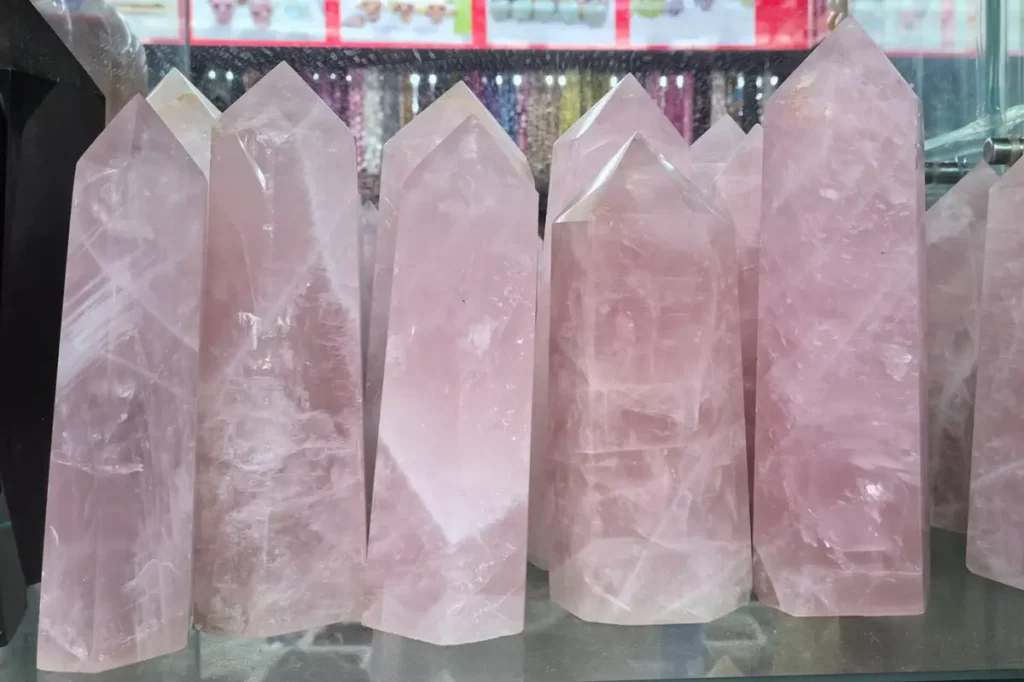
Product names can also overlap. A “point” may have a natural tip or a polished one, while a “tower” commonly describes a standing piece with a flat base and pointed top. When that distinction matters, ask whether the faces, tip, or base have been worked.
Crystal Shapes Chart: Names, Meanings, and Uses
Use this crystal shapes chart to compare common names, appearances, and everyday uses. The symbolic meanings reflect contemporary crystal beliefs and personal interpretations.
| Crystal Shape | Appearance | Symbolic Meaning | Practical Uses |
|---|---|---|---|
| Point | Pointed tip, natural or polished | Focus | Displays, pendants |
| Tower | Flat base with a pointed top | Ambition | Desk and shelf décor |
| Wand | Long form with rounded or pointed ends | Guidance | Handheld meditation |
| Sphere | Polished ball | Wholeness | Display with a stand |
| Heart | Carved heart outline | Love | Gifts, pocket pieces |
| Pyramid | Triangular sides meeting at a tip | Purpose | Geometric décor |
| Cube | Six square faces | Order | Specimens, displays |
| Palm Stone | Smooth, flattened hand-size piece | Reflection | Holding, pocket carrying |
| Tumbled Stone | Rounded edges, irregular outline | Personal intention | Collections, crafts |
| Freeform | Worked, nongeometric outline | Individuality | Decorative displays |
| Cluster | Crystals growing together | Connection | Mineral collections |
| Geode | Crystal-lined rock cavity | Inner discovery | Specimen displays |
| Egg | Polished egg shape | Renewal | Gifts, displays |
| Pendulum | Weight hanging from a chain or cord | Intuition | Divination practices |
| Beads | Drilled round, faceted, or irregular pieces | Varies | Jewelry making |
| Decorative Carvings | Animals, moons, stars, and other motifs | Depends on design | Gifts, themed collections |
How to Use This Chart
First, choose a form that suits your purpose. For example, tumbled stones offer compact pieces for carrying or collecting, while drilled beads suit jewelry projects.
Next, check the finish and dimensions. Spheres usually need stands, whereas towers need stable bases. For beads, confirm both size and hole diameter.
Finally, check how the maker shaped the piece. A name such as “point” or “cube” alone does not establish whether it grew naturally or underwent cutting and polishing.
Common Crystal Shapes Explained
Some crystal shapes look similar but serve different purposes. The details below help you distinguish them without relying on product names alone.
Points, Towers, and Wands
A point describes a piece with a pointed end. It may retain a naturally grown tip, or a craftsperson may cut and polish that tip. A double-terminated point has a tip at each end, though the name alone does not confirm natural growth.
By comparison, a tower usually has a flat base for standing upright. Check photographs of both the base and tip, especially when choosing a tall, narrow piece.
A wand has an elongated form and may feature rounded, tapered, or pointed ends. For handheld use, consider its weight, grip, and surface finish. In contemporary crystal practices, people associate these shapes with focus or intention.
Spheres, Hearts, and Pyramids
Spheres offer a rounded surface that lets you view a stone’s patterns from different angles. However, they need a suitable stand to prevent rolling.
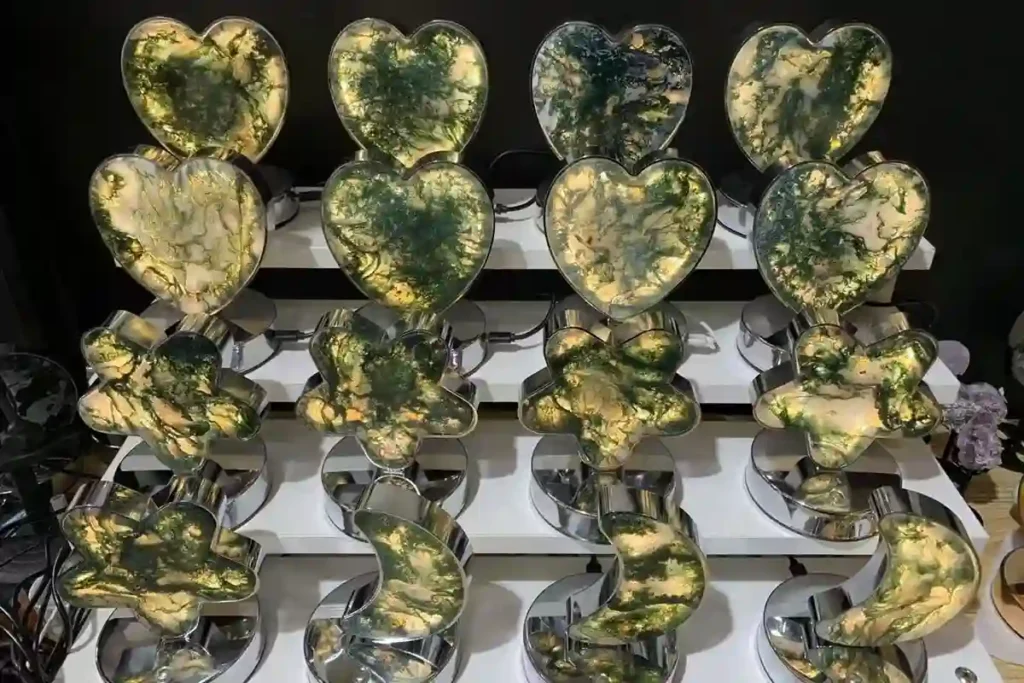
Hearts range from flat pocket pieces to thick carvings. Their familiar outline makes them a natural choice for gifts that express affection.
Pyramids create a more angular display. Before buying, inspect the tip, edges, and base for chips or uneven finishing. Symbolically, some crystal users connect spheres with wholeness, hearts with love, and pyramids with purpose.
Palm Stones, Tumbled Stones, and Freeforms
A palm stone usually has a broad, smooth surface that fits comfortably in the hand. A worry stone may also include a thumb-shaped indentation, so the two names do not always describe the same product.
Tumbled stones have rounded edges but retain varied outlines. Their sizes and proportions can differ within one batch.
Meanwhile, a polished freeform follows an irregular design rather than a fixed geometric shape. “Freeform” does not necessarily mean untouched or unpolished. For standing pieces, check whether the base supports the weight securely.
Raw Pieces, Clusters, and Geodes
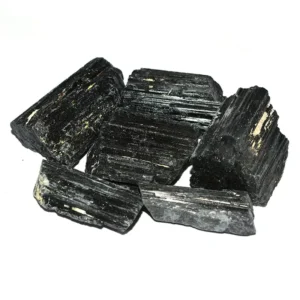
“Raw” generally describes material that retains an unpolished appearance. Nevertheless, sellers may offer broken fragments, sawn pieces, or specimens with trimmed bases under this label.
Clusters feature multiple crystals growing together. Geodes, in contrast, contain a crystal-lined cavity. A cut geode may have a polished rim while retaining crystals inside.
For these pieces, request close-up views of exposed crystal tips and any worked surfaces. This helps you understand what you will receive.
Eggs, Pendulums, and Decorative Carvings
Egg-shaped stones typically need a stand. Their outline often symbolizes renewal, making them suitable for themed gifts or displays.
A pendulum combines a hanging weight with a chain or cord. Buyers should check the attachment and balance; its use for divination belongs to spiritual practice.
Finally, animal carvings, moons, stars, and other designs depend heavily on workmanship. Inspect narrow sections, carved details, and edges. Clear photographs with measurements also help you judge scale, since close-up images can make small carvings appear much larger.
Crystal Bead and Jewelry Shapes
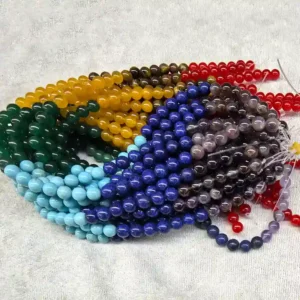
Crystal shapes also influence how jewelry looks, feels, and fits together. Even with the same stone, smooth round beads and angular cuts create different designs. Browse our stone beads to compare options for bracelets, necklaces, and other projects.
Round and Faceted Beads
Round beads have a smooth, curved surface and suit simple strands or designs with spacers. When planning a bracelet, check the actual bead diameter, hole size, and total strand length.
Faceted beads feature multiple flat surfaces that catch light from different angles. However, “faceted” describes the surface finish rather than one exact outline. A faceted bead may be round, oval, cube-shaped, or another form. Therefore, confirm both the outline and the cut when ordering.
For finished jewelry, our stone bracelets provide examples of how bead shapes work in a complete design.
Chip, Donut, Square, and Drop Shapes
Other shapes offer different ways to build a piece:
- Chip beads: Irregular drilled pieces that create a varied outline. Check their size range and the finish around each hole.
- Donut shapes: Flat, rounded pieces with a central opening, suitable for cord necklaces or pendant designs.
- Square and cube beads: Angular options for geometric patterns. Confirm thickness as well as width.
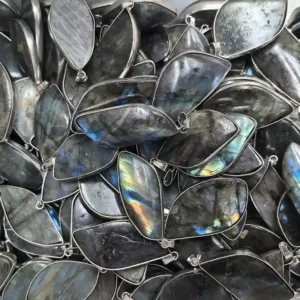
- Drop shapes: Tapered pieces often used in earrings and pendants. Hole position affects how they hang.
Finally, use a sample to check the whole design before ordering in volume. Two beads with the same listed size may have different proportions, so measurements alone may not show how they will sit together.
Natural Crystal Shapes and the Seven Crystal Systems
Natural crystal shapes develop as minerals grow. Their visible forms can include prisms, cubes, plates, and needles. However, these outward appearances describe something different from a carved heart or polished sphere.
In scientific classification, the Australian Museum identifies seven main crystal systems. These systems classify crystals by symmetry rather than by their finished product shape.
What Are the Seven Crystal Systems?
The seven crystal systems are:
- Cubic, also called isometric
- Tetragonal
- Hexagonal
- Trigonal
- Orthorhombic
- Monoclinic
- Triclinic
These names help describe crystal symmetry. In contrast, shop terms such as tower, palm stone, and freeform describe the piece you hold or display.
For example, cutting a stone into a pyramid changes its outer shape. That shape alone does not establish its crystal system. Likewise, a six-sided outline does not provide enough information to classify an unfamiliar specimen.
Why Do Some Guides Mention Six Types?
The phrase “six basic crystal shapes” needs context. A shopping guide may simply choose six popular forms. Scientific material, meanwhile, may refer to the six crystal families.
According to the International Union of Crystallography, the hexagonal crystal family includes both the trigonal and hexagonal crystal systems. This explains how six families and seven systems can coexist. Crystal classes form another category, with 32 in three dimensions.
Therefore, check which classification a source uses before comparing its numbers. For everyday buying, focus first on the material, visible shape, and workmanship; use scientific terms when discussing mineral structure and symmetry.
How to Choose a Crystal Shape
Choose a crystal shape based on how you plan to use it, where it will go, and what you enjoy looking at. Symbolic meaning can guide a personal choice, but size, comfort, and workmanship help determine whether the piece suits its purpose.
Match the Shape to Its Purpose
For a shelf or desk, consider the available space and viewing angle. A tall tower creates height, while a low freeform may fit beneath a shelf. If you prefer a sphere, allow room for its stand as well.
For handheld use, choose a size and weight that feel comfortable. Rounded palm stones and small polished hearts offer different grips, so compare their thickness rather than judging by length alone.
For jewelry, think about the finished design. Smooth round beads create a simple outline, whereas faceted beads add a more textured look. Meanwhile, drops and donut shapes offer options for a central pendant.
Let Your Customers Guide Your Selection
At Rocrystal, we supply many forms, from beads and chip stones to towers, hearts, spheres, and animal carvings. Our experience shows that different customers favor different designs.
In our recent business, some customers have shown more interest in faceted beads. Although these orders can be smaller, they have offered us better margins. That is an observation from our own sales, rather than a rule for every market.
Therefore, retailers should test a few shapes before committing to a large assortment. Track which designs customers buy again, then use those results to plan repeat orders and introduce new styles.
Compare Like for Like Before Ordering
Finally, make sure quotations describe comparable products. Confirm the material, treatment status, dimensions, finish, and quantity. For irregular pieces, ask for a size range and representative batch photos.
A clear reference photo also helps explain the outline you want. However, natural stones vary, so agree on acceptable differences in color and pattern alongside the shape.
Frequently Asked Questions
What Are the Seven Crystal Systems?
The seven crystal systems are cubic, tetragonal, hexagonal, trigonal, orthorhombic, monoclinic, and triclinic. They describe crystal symmetry. By comparison, names such as sphere, heart, and tower describe the outward forms of products.
What Are the Different Shapes of Crystals Called?
Common crystal shape names include points, towers, spheres, hearts, pyramids, cubes, palm stones, and freeforms. Natural specimens also include clusters and geodes. For jewelry, familiar terms include round beads, faceted beads, chips, and drops.
What Are the Six Basic Crystal Shapes?
There is no universal list of six shapes for crystal products. Some guides select six popular forms, while scientific sources may discuss six crystal families. Therefore, check the context: crystal families, crystal systems, and carved shapes describe different things.
Are Crystal Structures and Crystal Systems the Same?
No. A crystal structure describes the repeating arrangement of atoms, ions, or molecules within a crystal. A crystal system, meanwhile, classifies crystals by symmetry. The phrase “seven crystal structures” often refers to the seven crystal systems, but the terms are not interchangeable.
What Is the Difference Between Natural and Carved Crystal Shapes?
Natural crystal shapes develop during growth, whereas craftspeople create carved shapes by removing and polishing material. Some products combine both features. For example, a specimen may retain its natural crystal tips while having a cut base that allows it to stand.
Conclusion
Understanding crystal shapes helps you recognize product names and choose pieces that suit your needs. Start with the intended use, then compare size, finish, and workmanship. If symbolic meaning matters to you, treat it as a personal guide when selecting a design.
At Rocrystal, we supply gemstone beads, polished stones, and carvings for different product lines. To discuss a wholesale order, send your preferred material, shape, size, and quantity through our inquiry form or contact us on WhatsApp. We can help you compare available options for your project or store.
References
- Australian Museum — Crystal Shapes: An introduction to the seven crystal systems and natural crystal geometry.
- International Union of Crystallography — Crystallographic Shelves: Space-Group Hierarchy Explained: Explains the distinctions between crystal families, crystal systems, and crystal classes.
Disclaimer
Crystal meanings and spiritual associations reflect beliefs, traditions, and personal interpretations. They do not establish medical benefits or replace professional healthcare. Product shape alone does not confirm a stone’s identity, natural origin, or treatment status.