
Blue Agate Meaning: Color, Uses, Care, and Wholesale Buying Guide
Written by Roc Gong | Founder of RoCrystal
Last updated: September 23, 2026
Blue agate is often linked with calm and clear communication in crystal traditions. Its color and bands also make it popular for bracelets, beads, and other decorative products. These meanings reflect personal beliefs; they are not proven health benefits.
For wholesale buyers, the name alone is not enough to choose the right stock. Agate meaning may interest crystal customers, but color treatment, visible bands, bead size, and finish affect what they actually receive. This guide explains blue agate’s symbolism and material, then shows what to check before placing a bulk order.
What Is Blue Agate?
Agate, Chalcedony, and How Bands Form
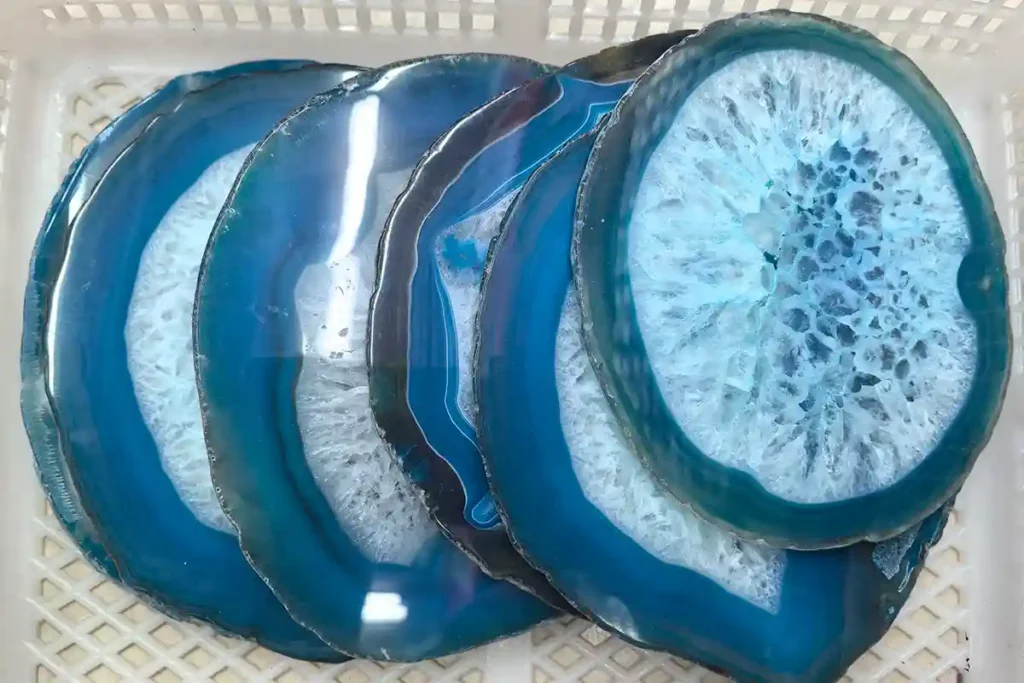
Blue agate is a form of agate, a stone known for its bands. According to the Gemological Institute of America (GIA), agate consists mainly of tiny quartz crystals and is generally defined as banded chalcedony. Those bands may appear as fine lines or broad layers. Their color and pattern vary from one piece to another, which gives buyers a choice of looks for jewelry and display items.
Agate develops as silica-rich material builds up over time. Each band records a change during that process, but scientists have not fully settled how the bands form. The same GIA study notes that several explanations have been proposed. For buyers, the practical point is simple: two blue agate stones may have different patterns even when they come from the same order.
The word blue describes the color buyers see; it does not tell them whether that color is natural or added later. We will cover color treatment separately, since it is an important detail to confirm before a wholesale purchase.
Color, Banding, Hardness, and Natural Variation
Blue agate properties include its banded appearance and a hardness of about 6.5–7 on the Mohs scale, according to Mindat’s agate reference. That hardness makes agate suitable for many polished items, but it does not make finished pieces immune to scratches or chips. Buyers should still check the edges, drill holes, and polish when inspecting beads or bracelets.
The amount of visible banding can vary. Some pieces show clear lines across much of the surface, while others have only a few bands. Bead size and the way each stone is cut can also change how much of a pattern appears. For a bulk order, it helps to agree on an acceptable range of color and banding before production. This gives both the buyer and supplier a clearer standard than a single sample photo.
Natural Material and Color Treatment
A blue agate bracelet can contain real agate even when its blue color has been added. The stone’s identity and its color treatment are two separate details. As the Gemological Institute of America (GIA) explains, treatments can change a gem’s appearance, and buyers should be told about them. When checking a wholesale listing, ask whether the blue color is natural or treated.
I supply color-treated blue agate bracelets and make that clear to buyers. This helps them describe the bracelets accurately to their own customers. A photo may show the shade and banding, but it cannot establish every detail about treatment. If that information matters to your order, confirm it with the supplier before you buy, along with the bead size and the appearance of the available lot.
Blue Agate Meaning and Spiritual Associations
What Does Blue Agate Symbolize?
In crystal traditions, people often connect blue agate with calm, patience, and clear communication. The soft blue color may remind them of a quiet sky or still water. For that reason, some buyers choose blue agate bracelets as gifts with a personal message. The meaning of blue agate comes from these beliefs and associations, not from a measurable effect of wearing the stone.
The blue agate crystal meaning centers on the ideas people attach to its color, such as calm and communication. Broader agate meanings can differ across traditions, so retailers should describe these ideas as personal beliefs. The agate stone spiritual meaning does not tell a buyer whether a bracelet has natural color, strong bands, or the right size. Those details need separate product information.
For many shoppers, blue agate stone meaning comes from its color and bands. A buyer may prefer pale blue pieces for a gentle look or darker pieces for a bolder design. Others choose a bracelet because they like its pattern, without attaching a spiritual meaning to it. Both reasons matter when retailers select products for different customers.
When describing blue agate to shoppers, keep the language open: “often associated with calm” tells them about a tradition without promising that the stone will change how they feel.
Does Dark Blue Agate Have a Different Meaning?
People may give dark blue agate a different personal meaning from pale blue agate. Some associate a deep shade with focus or confidence, while a lighter shade may suggest calm. These ideas come from color symbolism and individual beliefs. The shade alone does not give the stone a proven effect or a fixed spiritual meaning.
Discussions of agate color meaning often give different shades their own symbolism. Guides to agate colors and meanings may link pale blue with a gentle look and dark blue with a bolder one. These are interpretations, not fixed properties of the stone. For a wholesale buyer, the practical difference lies in which shade and pattern will suit their customers.
For wholesale buyers, dark blue agate meaning can help explain why customers choose a particular look. A dark bracelet may suit someone who wants a bold accessory; a pale one may fit a softer jewelry range. Ask to see the current lot before you order, because lighting can change how blue appears in photos. Also confirm whether the supplier has treated the color, regardless of how light or dark it looks.
Chakra, Zodiac, and Birthstone Associations
Some crystal traditions link blue agate with the throat chakra because they associate the color blue with communication. Others connect it with the third eye chakra. These are spiritual interpretations, and different sellers may describe them in different ways. A chakra association does not establish that a bracelet can improve speech, ease stress, or treat a health condition.
The same care applies to a blue agate zodiac sign or an agate birthstone meaning. Some people choose agate because it feels meaningful to their zodiac sign or birth month, but there is no single mineralogical rule that assigns blue agate to one sign. Buyers can offer these ideas as optional gift themes without presenting them as facts about the stone.
For a wholesale range, the product details still need to stay clear. Tell customers whether the color has undergone treatment, show the available shade and banding, and state the bead size. They can then choose a bracelet for its appearance, personal symbolism, or both.
Blue Agate Benefits and Healing Claims: What Can We Say?
Traditional Beliefs About Blue Agate
In crystal traditions, people often describe blue agate as a stone of calm and thoughtful communication. Someone may wear a bracelet as a reminder to pause before speaking or choose one as a gift for a friend facing a busy period. These are personal ways to use the stone. The phrase blue agate crystal benefits refers to beliefs and experiences, not results that every wearer can expect.
People exploring agate metaphysical meaning may find different interpretations across crystal traditions. Others search for agate healing stone meaning, although no bracelet should carry a promise to treat a condition. A seller can explain agate significance as a personal or cultural association, then return to clear facts about the stone and the finished item.
Some descriptions of the metaphysical properties of blue agate also mention balance, self-expression, or a sense of peace. Such language can help a retailer explain the symbolism behind a bracelet, but it needs careful wording. “Some people associate blue agate with calm” leaves room for each customer’s view. “Blue agate reduces anxiety” makes a health claim that this tradition cannot establish.
Buyers who serve both jewelry and crystal customers can present the same item in two clear ways: describe its blue color, bands, and size first, then add its traditional meaning for shoppers who value that connection.
How to Describe These Beliefs Responsibly
Customers may search for blue agate healing properties or the benefits of blue agate, but those phrases call for careful answers. You can explain that some people use the stone as a personal reminder to slow down or speak with care. Avoid saying that a bracelet treats anxiety, improves sleep, or cures an illness. A buyer should know what a stone means in a tradition without mistaking that meaning for medical evidence.
Product details give retailers a firmer basis for their descriptions. State the bead size, visible banding, color treatment, and stringing material. If a customer asks whether the bracelet feels comfortable, describe its size and construction rather than promising a physical effect. These details also help wholesale buyers compare stock and answer questions from their own customers.
This approach leaves space for personal belief while keeping the offer clear. Someone can value a blue agate bracelet for its symbolism, its appearance, or both. Neither reason requires a claim about healing.
Blue Agate vs Blue Lace Agate
Names, Appearance, and Treatment Questions
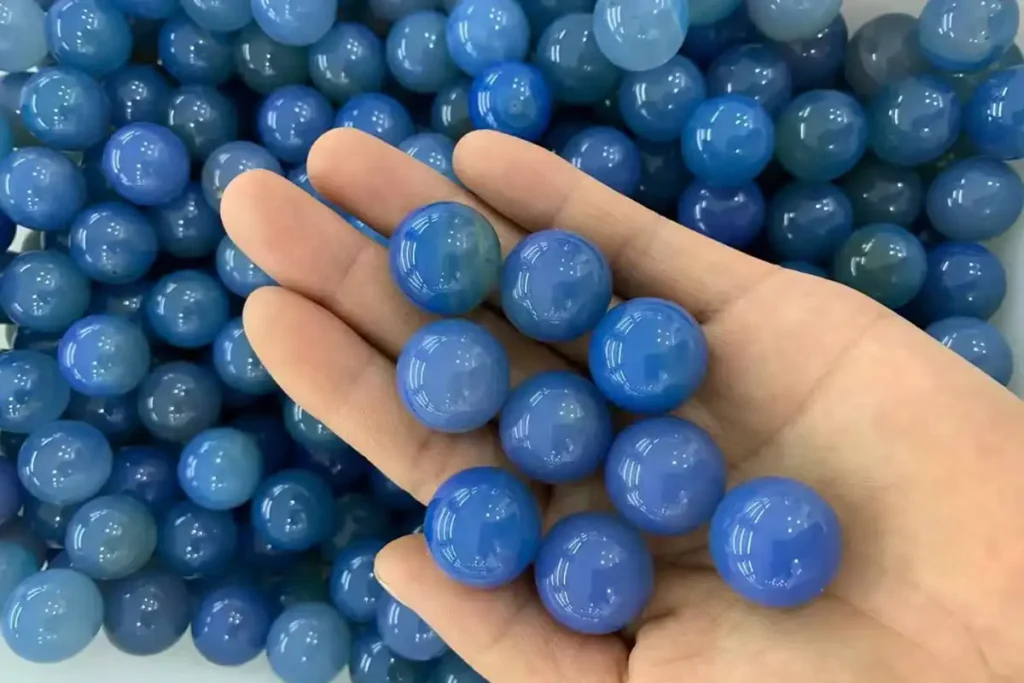
Blue agate is a broad product name. It may describe agate with different shades of blue and different amounts of visible banding. Mindat describes blue lace agate more specifically as a pale blue, banded variety of agate. Its fine, lace-like lines give buyers a useful visual clue, but a product name or photo alone does not confirm the identity of a particular lot.
Color treatment is a separate question. A seller may offer color-treated blue agate, while another may use the name blue lace agate for a material with a different appearance. Ask the supplier to identify the material and disclose any known treatment for the actual goods on offer. Do not assume that every pale stone is blue lace agate or that every deep blue stone has received dye.
When comparing samples, look at the base color, the width and clarity of the bands, and the finish across several pieces. These checks help you choose a consistent look for your customers, even though they cannot replace a gemological examination when you need firm identification.
Which Material Fits a Buyer’s Range?
When comparing blue agate vs blue lace agate, start with the look your customers want. A bold blue bracelet may stand out in a colorful jewelry display. Pale blue lace agate may suit buyers who prefer fine bands and a softer shade. These are style choices, so compare actual samples instead of relying on the names alone.
The phrase blue lace agate gemstone meaning usually points to the same kinds of calm and communication themes that people associate with blue stones. Those meanings are personal beliefs. For a wholesale order, confirm the material name, any known color treatment, the amount of visible banding, and the available sizes before you settle on a range.
| Buying point | Blue agate | Blue lace agate |
|---|---|---|
| Name | Broad trade description | Specific pale blue, banded variety |
| Look to compare | Shade and banding vary by lot | Pale blue color and fine bands |
| Before ordering | Confirm material and color treatment | Confirm identity, appearance, and treatment details |
Mindat identifies blue lace agate as a pale blue, banded variety of agate. The table describes what to check; it does not identify a particular supplier’s goods from a photo.
Blue Agate Meaning and Uses in Wholesale Products
Beads and Bracelets
Beads give jewelry designers room to choose a size, pattern, and setting that fits their work. Before ordering blue agate beads, check the bead diameter, hole size, polish, and amount of visible banding. A photo of one strand may show the general color, but it may not show the full range within a bulk lot. Ask to see several strands if color matching matters to your designs.
A finished blue agate bracelet calls for a few more checks. Confirm the bead size, bracelet length, stringing material, and how the bracelet looks when worn. Larger beads create a bolder style and change the feel of a bracelet. Smaller beads may suit buyers who want a lighter design. Retailers who sell several sizes should label them clearly so customers can choose without guessing.
Color treatment also belongs in the product details. Buyers can sell a color-treated agate bracelet with confidence when they describe it accurately. They should avoid calling the blue color natural unless the supplier can support that description. Later, I will share how feedback from a Swiss customer helped us expand our bracelet sizes and change the stringing material.
Tumbled Stones and Rough Material
Tumbled blue agate stones have smooth surfaces that show their color and pattern from several angles. They can fit crystal displays, gift sets, or small decorative ranges. For a bulk order, check the size range, total weight, polish, and number of pieces you can expect per kilogram. A stated size range does not mean every stone will have the same shape or show the same amount of banding.
Rough material offers a different look. Its outer surface may hide parts of the pattern that cutting and polishing would reveal, so buyers need to inspect more than one piece. Ask about the size and weight range, and check for broken edges or pieces that do not suit your planned use. If you intend to cut the rough, discuss that purpose with the supplier before ordering.
Neither form replaces the other. Tumbled stones arrive ready for display, while rough stones may appeal to customers who enjoy natural shapes or plan further work. In both cases, confirm the material and any known color treatment for the lot you will receive.
Jewelry, Crystal Retail, and Gift Ranges
The meaning and uses of blue agate can shape how a buyer presents it, but the product form should lead the choice. Jewelry designers may want loose beads they can match with metal parts and other stones. Crystal shops may prefer finished bracelets or tumbled stones that customers can pick up and compare. Importers and larger retailers may need a clear size range and steady product descriptions across repeat orders.
Agate crystal meaning and uses matter to different buyers in different ways. what people believe the stone symbolizes and how they use it in jewelry or displays. A designer may select an agate crystal stone for its bands, while a gift buyer may care more about its color and personal meaning. Both need an accurate description of the material and any known treatment.
Gift buyers often respond to color, pattern, and presentation. A bracelet with strong bands may serve as a statement piece, while a simpler blue agate crystal can fit a mixed stone set. Sellers can mention traditional associations with calm or communication if those ideas suit their customers. They should also state the color treatment so buyers understand the item itself.
Before choosing a form, think about how your customers will handle, display, and describe it. That decision will guide the sizes, finish, packaging, and quantity you request from a supplier.
Quality, Price, and Bulk Order Checks
Banding, Color Consistency, and Grade Descriptions
Visible bands affect how buyers judge a lot of blue agate. Some customers want clear stripes on most pieces. Others prefer a lower price and accept fewer bands. Neither choice is wrong, but the order should state what the buyer expects. A photo of one attractive bead cannot show how the rest of a large lot will look.
Color consistency also matters, especially for finished bracelets. Compare several pieces under similar lighting and ask how much shade variation the supplier allows. If you need matched bracelets for one display, say so before the supplier prepares the order. If you welcome mixed shades, you may have more options to choose from.
Ask the supplier to explain any grade label in plain terms. An “A” or “AB” label has little value unless both sides agree on what it means for banding, color, polish, and visible flaws. Keep an approved sample or a set of reference photos with the order details. That gives you a practical standard when you check the delivered goods.
Size, Weight, Polish, and Common Imperfections
Check sizes in the unit that fits each product. For beads, confirm the diameter and hole size in millimeters. For bracelets, check both bead size and finished length. Tumbled stones need a size range and total weight; rough pieces need a weight range and a clear view of their shapes. These details help buyers plan displays, jewelry designs, and retail packs.
Look closely at the finish as well. A smooth surface can still show natural color changes or bands, but chips, cracks that reach the surface, uneven polish, and damaged drill holes may affect how a piece sells or wears. Ask the supplier which marks the grade allows. The answer matters more than a broad promise of “good quality.”
For a bulk order, request photos or video that show several pieces together, including typical pieces rather than only the best-looking ones. Then agree on size tolerance and the acceptable share of visible flaws before production or packing. This makes the inspection standard clear to both sides.
What Affects Blue Agate Price?
Blue agate price depends on the goods in the order, not just the stone name. Bead size, visible banding, polish, bracelet assembly, and the number of pieces can all affect a quote. In the blue agate bracelets I supply, pieces with clearer, more abundant bands usually cost more. Bracelets with fewer visible bands offer customers a more affordable choice. I explain that difference before a buyer chooses a style.
Compare quotes only after you confirm what each one includes. Two suppliers may show similar photos but offer different bead sizes, stringing materials, or standards for color and banding. Ask whether the quoted goods match the sample and whether packaging or custom assembly changes the price.
A low quote can still suit a buyer who wants a simple, lower-priced range. A higher quote may suit one who needs a particular pattern. The useful question is whether the price matches the appearance and specifications your customers expect.
Is Blue Agate Real? Treatment, Imitations, and Supplier Checks
Real Agate, Dyed Agate, and Imitation Materials
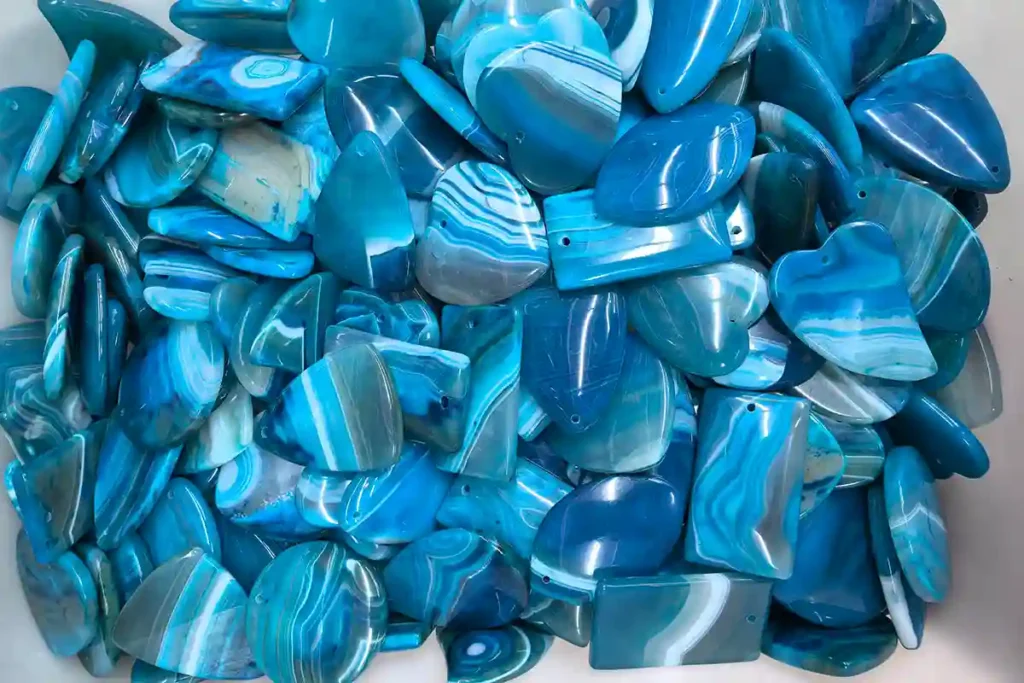
“Real” and “natural color” answer different questions. A bracelet can contain genuine agate while the stone has received dye to create or deepen its blue color. My blue agate bracelets use color-treated stone, and I tell buyers that before they order. Calling them color treated gives customers a clearer description than calling them either “fake” or “natural blue.”
An imitation raises another question: does the item contain agate at all? A seller might offer a different material under a similar trade name. Buyers should therefore ask about both the stone and any color treatment. The Gemological Institute of America (GIA) explains that treatments can alter a gem’s appearance and that sellers should disclose them.
Appearance offers clues, but it cannot settle every case. A bright blue shade does not, by itself, identify the base material or prove how the color got there. If a purchase depends on a firm identification, ask for suitable testing or documentation before placing the order.
What Buyers Can Check Before Paying
Start with the supplier’s written description. It should name the material, state any known color treatment, and give the size and product form. For bracelets, confirm the finished length and stringing material as well as the bead diameter. Keep these details with the quote so both sides can check the same requirements later.
Next, ask for photos or a short video of the current lot. Look at several bracelets or strands together to judge the range of blue shades and visible bands. Close views can help you spot chips, poor polish, or rough drill holes. A sample can help with a larger order, but ask whether the bulk goods will match its agreed quality range.
Photos, weight, and a scratch test cannot prove that a stone is genuine agate or identify every treatment. If the material’s identity is essential to your purchase, arrange an appropriate gemological assessment. Otherwise, focus on clear supplier disclosure, an approved sample, and written standards you can use when the goods arrive.
Questions to Ask a Wholesale Supplier
Before you order, ask: What stone will I receive, and has anyone treated its color? Which bead sizes, bracelet lengths, or stone size ranges can you supply? How much variation should I expect in the blue shade and banding? These questions turn a broad name into an order you can check.
Then confirm the details that affect delivery: What stringing material will you use? How will you pack the goods? Can you show the current lot before shipment? Ask how the supplier handles pieces that fall outside the agreed size or quality range. Keep the answers with your quote and approved photos.
My Experience Supplying Blue Agate Bracelets
Why I Explain Color Treatment and Banding
The blue agate bracelets I supply have color-treated stones. I tell buyers this directly, because they need to describe the bracelets accurately to their own customers. Treatment does not stop a bracelet from being popular. Buyers often choose it for its blue color and the patterns they can offer in their stores.
In my experience, banding makes a clear difference to the price. Bracelets with more distinct blue stripes usually cost more, while pieces with fewer visible bands offer a more affordable option. I do not treat one choice as right for every customer. I show the available styles and let buyers choose based on the look and price range they need. That conversation matters more than a grade label alone.
How a Swiss Customer Changed Our Size Range
One of my customers in Switzerland has bought blue agate bracelets from us for five years. When we began working together, I offered only 10 mm bracelets. He later asked for 8 mm beads because his customers wanted another size. Instead of adding just that one option, we expanded the range to 4, 6, 8, 10, and 12 mm.
That change made it easier for him to choose sizes when he placed later orders. It also taught me to ask about bead size before assuming that a popular option will suit every market. Some buyers want a small, simple bracelet; others prefer larger beads with a stronger visual effect. I use their feedback to decide which options we should keep ready to offer.
What We Changed About Bracelet Stringing
At first, we made this customer’s blue agate bracelets with standard elastic cord. He later told me that some of his customers felt the cord could break after long use, even though they liked its stretch. He asked us to use transparent elastic string instead, so we changed the stringing material for his bracelets.
I do not claim that this change makes every bracelet last longer. The important point is that I listened to his feedback and followed the specification he wanted. For a wholesale buyer, the string matters alongside the bead size and color. I now confirm the stringing material when we discuss bracelet orders, so the finished pieces match what the buyer plans to sell. Our five-year relationship has grown through adjustments like this.
Packaging, Shipping, and Care
Packing Beads, Bracelets, Tumbled Stones, and Rough Stones
Each product form needs a different packing plan. Keep bead strands from tangling and protect finished bracelets from pressure on the string. Separate polished stones so they do not knock against one another during transport. Rough pieces may have sharp edges, so pack them with enough padding to protect nearby items as well as the stones themselves.
For a wholesale order, agree on the quantity in each bag or box before packing begins. Clear labels should show the product name, size, and quantity. If the order contains several blue shades or bead sizes, separate and label them so the buyer can sort the goods on arrival.
Ask the supplier how the inner packs fit inside the shipping carton and whether the carton can handle its total weight. A packing photo can help you check the arrangement before shipment. It also gives both sides a record if the goods arrive with damage or mixed sizes.
Cleaning and Storing Color-Treated Blue Agate
Use a soft, slightly damp cloth to wipe a blue agate bracelet, then dry the beads and string. If it needs more cleaning, use a little mild soap and water, and rinse it gently. Avoid soaking the bracelet for a long time, especially when you do not know how its string or other parts will react. Store it away from hard items that could scratch its polished surface.
Color treatment calls for extra care. The Gemological Institute of America (GIA) advises keeping dyed gems away from chemicals such as acetone and alcohol. GIA also warns that prolonged sunlight may fade some dyed colors. For a shop display, avoid leaving color-treated bracelets in a sunny window for long periods.
Some people use the word cleanse to describe a personal ritual with a crystal. That practice differs from physical cleaning. Buyers do not need to promise that water, sunlight, or any ritual will “charge” the stone. Clear care instructions will help customers look after the bracelet they bought.

How to Place a Better Blue Agate Wholesale Order
Send a Clear Buying Brief
Tell the supplier which form you need: loose beads, finished bracelets, tumbled stones, or rough pieces. Add the sizes, target quantity, and the shade of blue you prefer. If banding matters, describe how visible you want it to be and send reference photos. Ask the supplier to confirm the material and any known color treatment for the goods they will supply.
For bracelets, include the bead diameter, finished length, and stringing material. State any packaging needs, such as separate labels for each size. A jewelry designer may need loose beads with suitable drill holes, while a retailer may need ready-to-sell bracelets. These details help the supplier prepare a useful quote and reduce misunderstandings before the order begins.
Confirm the Lot Before Reordering
A repeat order still needs a check. Blue shade and visible banding can vary between lots, so ask for photos or video of the goods available now. Compare them with the range you approved before. Check the bead size, bracelet length, polish, and stringing material as well, especially if you changed a specification after the last order.
If the new lot looks different, decide whether it still suits your customers before the supplier packs it. Keep the approved images and written specifications with your order. This gives both sides a clear record and helps you maintain a consistent range across repeat purchases.
Planning a wholesale order? Send us your preferred product form, sizes, banding style, and quantity through WhatsApp or our inquiry form. We can discuss the available lot and prepare a quote that matches your requirements.
Frequently Asked Questions
Who should wear blue agate?
Anyone who likes its color and pattern can wear blue agate jewelry. Some people also choose it for its traditional association with calm communication. If you sell bracelets, help customers choose a comfortable bead size and bracelet length, and tell them about any known color treatment.
What are the benefits of blue agate?
People may value blue agate as a personal reminder to slow down or speak with care. Those are individual beliefs, not proven health benefits. Its practical appeal lies in its color, banding, and the range of jewelry and decorative items buyers can make from it.
What does agate do spiritually?
In crystal traditions, people associate agate with balance or a sense of stability. Views vary, and a stone does not have a proven spiritual effect that every person will experience. Sellers can describe these associations as beliefs while giving customers clear facts about the item.
Why is blue agate so expensive?
Prices vary. In the bracelets I supply, stronger visible banding usually costs more than a style with fewer bands. Bead size, polish, assembly, and order requirements can also change a quote. Compare the actual goods and specifications before judging whether a price suits your range.
Is blue agate a real stone?
Yes, blue agate can be genuine agate even when someone has treated its color. “Real stone” and “natural blue color” are different claims. Ask the supplier to identify the material and disclose any known treatment. A photo alone cannot confirm either detail for a specific lot.
References
- Gemological Institute of America (GIA). Agates from Sidi Rahal, in the Atlas Mountains of Morocco: Gemological Characteristics and Proposed Origin. Used for agate’s composition, banding, and formation.
- Mindat. Agate: Mineral Information, Data and Localities. Used for agate’s banded appearance and Mohs hardness.
- Mindat. Blue Lace Agate: Mineral Information, Data and Localities. Used for the description of blue lace agate.
- Gemological Institute of America (GIA). An Introduction to Gem Treatments. Used for color treatment, disclosure, and care of dyed gems.
Disclaimer
The spiritual meanings in this guide describe beliefs and personal traditions. They do not establish that blue agate can treat a medical condition or produce a specific effect. Product names, colors, patterns, sizes, and treatments can vary between suppliers and lots. Confirm the details of the actual goods before placing an order. If you need a firm identification of a stone or its color treatment, seek advice from a qualified gemologist or gemological laboratory.
Conclusion
Blue agate meaning often centers on calm and communication in crystal traditions. Buyers may value that symbolism, but they also need clear facts about the stone they plan to sell. Blue agate can be genuine agate with color treatment, so confirm both the material and the source of its blue color. Compare the bands, shade, size, and finish of the current lot before you place a bulk order.
The right choice depends on your customers. Some prefer bracelets with distinct stripes; others want a simpler style at a more affordable price. Beads give designers room to create their own pieces, while finished bracelets and tumbled stones offer different ways to build a retail range. For bracelets, remember to confirm the length and stringing material as well as the bead size.
Ready to start your wholesale order? Contact us through WhatsApp or our inquiry form. Send your preferred product form, sizes, banding style, and quantity, and request a quote for the available lot.