
Amber Meaning: Symbolism, Origins, and Uses
Written by Roc Gong | Founder of RoCrystal
Last updated: October 22, 2026
Amber meaning combines a material definition with a long history of symbolism. Amber is fossilized tree resin used in jewelry, carvings, and decorative objects. As a symbol, it is often associated with warmth, protection, and memory—ideas inspired by its golden appearance, ancient origin, and cultural uses.
These meanings help explain its appeal as both an ornament and a keepsake. However, material facts and symbolic interpretations answer different questions. Understanding both allows you to appreciate amber without confusing traditional beliefs with proven effects.
What Is Amber?
Amber is an organic gem formed from ancient tree resin. According to GIA, some pieces preserve plant fragments, insects, or other traces of life caught in the resin before it hardened.
Although people commonly call it an “amber stone,” it is not a mineral such as quartz. Its biological origin places it among organic gem materials.
Is Amber a Crystal or a Gemstone?
Amber is a gemstone, but it is not a mineral crystal. It has an amorphous structure, meaning its material lacks the ordered crystal pattern found in quartz or amethyst.
The phrase “amber crystal meaning” remains common in spiritual discussions and searches. In that setting, “crystal” is a broad commercial term rather than a precise material classification.
Amber and Static Electricity
Amber also has a place in the history of electricity. Rubbing it with a suitable cloth can create a static charge that attracts small, lightweight objects.
This is a physical effect caused by electrical charge. It does not demonstrate the spiritual “energy” described in crystal traditions, and it should not be used alone to establish authenticity.
The Material and the Color Name
“Amber” can also describe a warm yellow-orange color. An amber-colored object does not necessarily contain amber, while genuine amber occurs in appearances beyond that familiar shade.
| Use of the word | What it describes |
|---|---|
| Amber as a material | Fossilized tree resin |
| Amber as a color | A warm yellow-orange hue |
| Amber as a symbol | Interpretations such as warmth, protection, and memory |
Keeping these uses clear makes product descriptions more accurate and helps readers understand which meaning applies.

What Does Amber Symbolize?
Amber symbolism often brings together warmth, protection, and memory. These themes reflect how people interpret its appearance and history. A piece of jewelry can carry one of these meanings, several at once, or a personal story that matters only to its owner.
Warmth and Light
Golden amber recalls sunlight, honey, and firelight. These familiar images help explain its associations with hope, welcome, and vitality.
For example, someone might give an amber pendant to offer encouragement during a new chapter. Its warm appearance supports the message, while the relationship behind the gift gives it personal significance.
Protection and Care
People have used amber as an amulet as well as an ornament. The J. Paul Getty Museum’s study of ancient amber discusses how historical wearers connected carved pieces with protection and other hoped-for benefits.
Today, a wearer may interpret that protective symbolism as a reminder of care, support, or personal boundaries. Historical beliefs explain part of amber’s cultural appeal, but they do not establish that jewelry prevents harm.
Memory and Time
Amber’s ancient origin also invites reflection on continuity and change. Some pieces preserve traces of earlier life, making time a particularly fitting theme for this material.
A family keepsake can add another layer of meaning. The owner may value a necklace because it recalls a person or occasion, regardless of whether it contains a visible inclusion.
For a closer look at cultural interpretations, chakra associations, and personal rituals, explore our amber spiritual meaning guide.


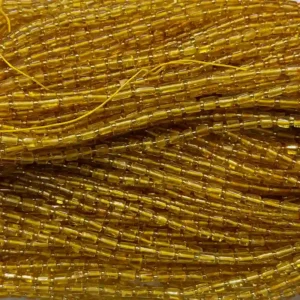
Why Is Amber So Special?
Amber combines an ancient natural origin with a long tradition of craftsmanship. Its appeal comes from the material itself, the details inside each piece, and the ways people shape it into objects they can wear or keep.
A Connection to Ancient Forests
Amber began as resin that flowed from trees millions of years ago. Over time, that resin underwent changes that formed the gem material we recognize today.
Holding amber offers a tangible connection to those ancient forests. However, its age varies by geological source. A seller needs reliable information about origin before assigning a specific age to a piece.
Inclusions That Tell a Natural Story
Some amber contains insects, plant fragments, or other inclusions. These details can offer clues about earlier environments and give an individual piece a distinctive appearance.
An insect inclusion does not automatically prove authenticity or guarantee a high price. Modern imitations can also contain insects. As GIA’s amber buying guide explains, buyers should consider authenticity alongside the quality and significance of an inclusion.
Clear amber without visible inclusions also has its own appeal. Some people prefer its uninterrupted color and the way light passes through it.
Natural Variation Meets Craftsmanship
Amber gives craftspeople opportunities to work with transparency, color, and internal patterns. A bead maker may emphasize a consistent shape, while a carver may follow the contours of an individual piece.
These choices influence the finished object. A simple pendant can highlight a natural feature, while a detailed carving draws attention to the maker’s skill. Together, the material and the craftsmanship help explain why people continue to value amber.
Amber Colors and Their Meaning
Amber comes in more than the familiar golden shade. Jewelry may feature pale yellow, honey, cognac, or deeper reddish tones. Transparency also changes its appearance: clear pieces let light pass through, while cloudy pieces create a softer look.
People often connect these colors with different ideas. However, interpretations vary across cultures and personal preferences.
| Amber tone | Common symbolic association |
|---|---|
| Pale yellow | Lightness, hope, and fresh beginnings |
| Honey or golden | Warmth, welcome, and optimism |
| Cognac or brown | Stability, comfort, and a connection to nature |
| Deep red | Passion, affection, and vitality |
These associations can help you choose a meaningful gift or describe a jewelry collection. For example, honey-colored beads may suit a cheerful gift, while a deep cognac pendant can express an understated, earthy style.
Color alone does not establish amber’s origin, authenticity, or treatment history. Likewise, a darker shade does not automatically make a piece older or more valuable.
For a closer look at individual shades and design combinations, read our amber color meaning guide.
How Amber Is Used in Jewelry and Art
Amber’s warm appearance and light weight make it appealing for wearable designs. Craftspeople shape it into beads, pendants, and carvings, choosing forms that highlight the material’s color and internal details.
Beads and Bracelets
Polished beads bring amber’s natural variation into necklaces and bracelets. A strand of similar shades creates a consistent look, while mixed tones give each bead more visual contrast.
Shape also influences the design. Round beads offer a regular pattern, whereas irregular chips create a more varied outline. Jewelry makers can choose either style to suit their collection.
Pendants and Keepsakes
A pendant gives an individual piece of amber room to stand out. Simple settings can draw attention to its transparency or an interesting inclusion. Other designs use metalwork to frame the gem and add detail.
Personal meaning often comes from the occasion behind the purchase. An amber necklace might mark an anniversary, recall a trip, or become a family keepsake.
Carvings and Decorative Objects
Beyond jewelry, artisans carve amber into figures, ornaments, and small decorative objects. They may follow the original piece’s shape or plan a design around a visible feature.
For retailers, these details offer useful ways to describe a piece. Explain what customers can see—its shape, finish, color, and craftsmanship—then share any documented cultural background. This gives the object a clear story without promising special effects.

A Customer’s Question About Amber Authenticity
One customer bought 100 amber bracelets from us with 6 mm beads. Later, the customer contacted me because some of their buyers thought the beads were plastic.
To address the concern, I burned a sample bead with a lighter and recorded a video. At the time, I thought the burning behavior and resin-like smell would help explain the material. However, the customer could not smell anything through a video, and the demonstration could not establish authenticity.
What the Experience Taught Me
A convincing demonstration and reliable identification serve different purposes. A flame video may show how one sample reacts, but it does not verify an entire order. It can also damage the bead.
The experience showed me why material questions need clear evidence. Photos and videos help customers examine appearance and workmanship. When authenticity remains in doubt, an independent gemological assessment offers a stronger basis for resolving the question.
What Buyers Can Ask Before Ordering
For a bulk purchase, clarify the material description before confirming the order. Ask whether the supplier offers natural amber, reconstructed amber, or an imitation, and request disclosure of any known treatments.
If you need a laboratory report, agree on that requirement before purchase. Also confirm which sample or pieces the report covers.
For more detail on the material and buying considerations, see our amber stone meaning guide.
FAQs About Amber Meaning
What Is the Symbolic Meaning of Amber?
Amber commonly symbolizes warmth, protection, and memory. Its golden appearance suggests sunlight, while its ancient origin connects it with time and continuity. A wearer may also give it personal meaning through a gift, relationship, or family tradition.
What Is the Full Meaning of Amber?
The word “amber” can describe fossilized tree resin, the yellow-orange color named after it, or a person’s name. In jewelry, amber refers to the organic gem material. Context determines which meaning applies.
What Does the Name Amber Mean?
The name Amber comes from the English word for the gem. People may associate it with golden color, warmth, and natural beauty. These associations offer inspiration, but a name does not determine someone’s personality or future.
Why Is Amber So Special?
Amber connects ancient tree resin with jewelry and craftsmanship. Some pieces contain preserved insects or plant fragments, while others appeal through their color and clarity. The quality of the material and the maker’s work both contribute to a finished piece’s appeal.
What Does the Bible Say About Amber?
The King James Version uses “amber” when describing the brightness in Ezekiel’s visions, including Ezekiel 1:4. Other translations describe glowing metal. The passage presents a radiant vision; it does not establish healing or protective powers for amber jewelry.
Conclusion
Amber meaning brings together ancient origins, cultural symbolism, and personal stories. Its warm appearance can suggest optimism, while a gift or family keepsake adds meaning through the memories it carries.
For jewelry makers and retailers, understanding the material helps you tell that story clearly. Describe the piece’s visible features, explain its craftsmanship, and support material claims with appropriate evidence.
Looking for amber jewelry for your collection? Contact Rocrystal through WhatsApp or our inquiry form to discuss styles, sizes, quantities, and packaging requirements.
References
- GIA — Amber Description: Amber’s origin as fossilized tree resin and its natural inclusions.
- GIA — Amber Buying Guide: Quality considerations, imitations, treatments, and laboratory identification.
- GIA — Amber Care and Cleaning: Durability, heat sensitivity, and suitable cleaning methods.
- J. Paul Getty Museum — Ancient Amber: Historical uses of amber as ornaments and amulets.
- Bible Gateway — Ezekiel 1:4, NIV and KJV: Different translations of the imagery associated with “amber.”
Disclaimer
Symbolic meanings reflect cultural traditions and personal interpretations, rather than proven effects. This article provides general information and cannot authenticate an individual piece. Avoid flame tests, which can damage amber; consult a qualified gemologist when material identity remains uncertain.