
Amber Color Meaning: Symbolism, Shades, and Jewelry
Written by Roc Gong | Founder of RoCrystal
Last updated: October 22, 2026
Amber color meaning is commonly associated with warmth, optimism, energy, and comfort. Its golden yellow-orange appearance brings honey, autumn leaves, and soft evening light to mind. In jewelry and design, these associations can create a welcoming, earthy, or vintage impression.
Context also matters. A bright amber accent may look lively, while a deeper shade can suggest a quieter, richer style. These are visual and cultural associations, rather than fixed effects on everyone who sees the color.
This guide explains what amber looks like, what it can symbolize, and how its shades work in jewelry and displays.
What Color Is Amber?
Amber is a warm yellow-orange color, often described as golden or honey-like. It sits visually between yellow and orange, although everyday uses of the name include lighter golden shades and deeper orange-brown tones.
To picture it, think of clear honey held against the light. That comparison gives a useful starting point, but amber does not describe every shade of yellow, orange, or brown.
Amber Compared with Yellow, Orange, and Gold
The easiest way to recognize amber is to compare it with nearby colors.
| Color | How it differs from amber |
|---|---|
| Yellow | Usually looks brighter and less orange |
| Orange | Often looks more strongly orange and less golden |
| Gold | Can describe a similar hue, but may also imply a metallic finish |
| Honey | A descriptive color name that overlaps with amber |
| Brown | Generally looks darker and less vivid |
A flat amber-colored surface can look golden without having a metallic shine. Likewise, a product described as “gold” may differ greatly from an amber bead in both color and finish.
Amber Color and the Colors of Amber Gemstones
The color name and the gem material are related, but they are not interchangeable. Amber-colored describes appearance; it does not identify what an object is made from.
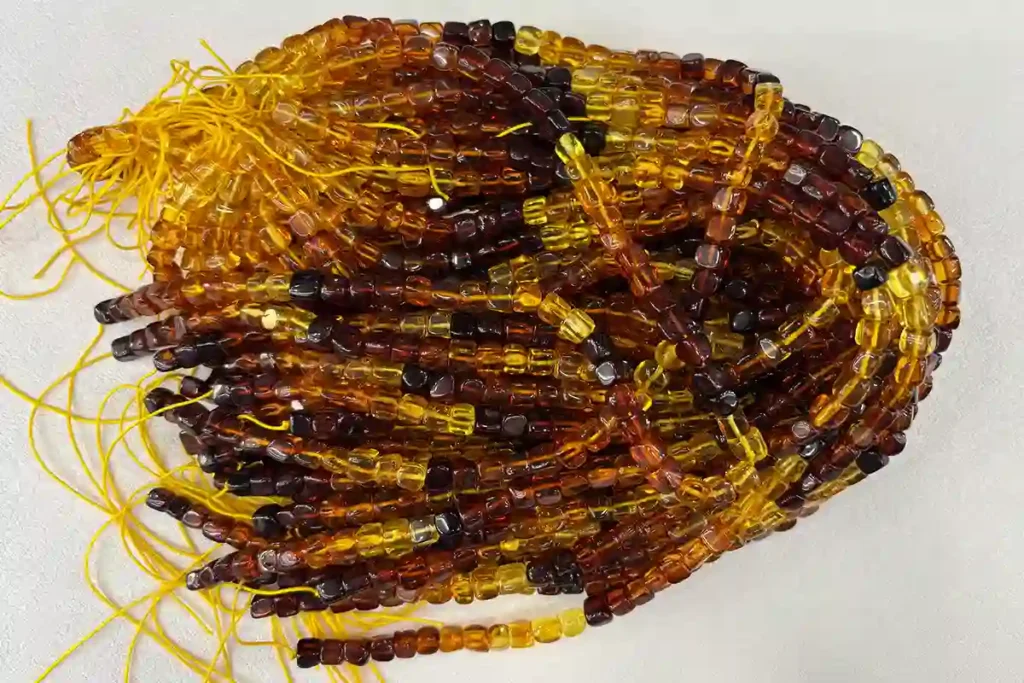
Amber gemstones also occur in a wider range of colors than the familiar yellow-orange hue. GIA’s amber quality guide describes shades including white, yellow, orange, reddish brown, and occasional bluish or greenish appearances.
What Does Amber Color Symbolize?
Amber color often symbolizes warmth, optimism, comfort, and vitality. However, its meaning depends on the setting. In a jewelry collection, it may suggest natural beauty; in a vintage design, the same shade can evoke age and nostalgia.
Warmth and Comfort
Honey, firelight, and autumn leaves offer familiar references for amber’s warm appearance. These connections can give a design a welcoming quality, especially when paired with cream, wood, or soft brown.
For example, amber beads displayed on neutral linen can create a relaxed, earthy impression. Against a dark background, those same beads may look more dramatic. The surrounding colors help shape the message.
Optimism and Gentle Energy
Amber combines the brightness of yellow with the richness of orange. As a result, it can suggest enthusiasm without the intensity of a vivid orange-red.
In this context, “energy” describes a visual impression or metaphor. An amber accent might make a muted palette feel livelier, but that does not mean the color produces a measurable change in someone’s mood.
Nostalgia and Natural Beauty
Deeper amber tones can recall aged wood, old glass, and warm evening light. Consequently, designers may choose them for a vintage look or a sense of familiarity.
These associations also explain why amber-colored accessories work well with earthy materials. Still, a natural-looking color does not establish that a product is natural, untreated, or antique.
Amber Glow Meaning
“Amber glow” usually describes a soft, golden-orange light. In writing, it may refer to a sunset, a lamp, or light passing through a translucent object. Figuratively, the phrase can suggest warmth, intimacy, or nostalgia.
In product descriptions, use it when the appearance supports the wording. A translucent pendant may show an amber glow when light passes through it; an opaque bead is better described by its color and surface finish. “Glow” should not imply that ordinary amber jewelry produces its own light.


Amber Color Meaning and Personality
Amber color meaning in personality descriptions often centers on warmth, friendliness, confidence, and an appreciation for natural beauty. These are symbolic associations used in styling and storytelling. A favorite color alone cannot reliably reveal someone’s character.
A Warm and Approachable Impression
Amber accessories can help create a welcoming look, particularly alongside cream, beige, or soft brown. Someone might choose these combinations because they enjoy a relaxed style or want an outfit to feel less formal.
However, the impression depends on the complete design. A small honey-colored pendant may look understated, while a large amber necklace can become a bold focal point.
Confidence Without a Bright Palette
For people who prefer muted clothing, amber offers a way to introduce warm color. Golden shades can stand out against navy or charcoal, while deeper cognac tones blend into an earthy wardrobe.
This makes amber useful for expressing a confident style through color and contrast. It does not mean that wearing amber creates confidence or that everyone drawn to it shares the same traits.
An Interest in Earthy or Vintage Styles
Honey and dark amber tones can complement wood, linen, leather, and aged-looking metal finishes. As a result, they may appeal to someone who enjoys nature-inspired accessories or vintage styling.
Personal memories can also shape that preference. A color might recall a family keepsake, an autumn landscape, or a favorite piece of jewelry.
Describe the Style, Not the Person
For jewelry sellers, concrete descriptions are more helpful than personality claims. Phrases such as “warm honey tones,” “a subtle golden accent,” or “a deep cognac shade for vintage styling” explain what buyers can see.
Avoid statements such as “amber lovers are always loyal” or “this color attracts successful people.” Instead, let customers decide how the piece fits their own taste and story.
Amber Color Energy and Spiritual Meaning
Amber color energy meaning usually refers to the qualities people associate with its warm appearance: vitality, encouragement, and a sense of connection. In spiritual settings, these ideas may extend to protection or personal growth. In other contexts, “energy” simply describes someone’s presence or the feeling of a design.
Color Symbolism and Spiritual Belief
Golden amber tones are sometimes linked with confidence and the solar plexus chakra in modern crystal practices. Someone following these beliefs might choose the color as a reminder to act with courage or set a clear intention.
However, choosing an amber-colored object is different from choosing an amber gemstone. A color can carry personal symbolism regardless of the material, while its appearance alone establishes neither spiritual effects nor authenticity.
For a fuller discussion of beliefs, cultural background, and personal rituals, explore our amber spiritual meaning guide.
Red Amber Spiritual Meaning
Red amber spiritual meaning is sometimes interpreted through themes of courage, affection, and commitment. Its deeper appearance may suit a gift intended to express lasting care or mark an important occasion.
These interpretations draw on the symbolism of red and warm colors; they are not universal rules. A darker or redder piece does not have demonstrated spiritual powers beyond those of a lighter one.
When describing jewelry, keep the visible qualities clear. “Deep cherry-red tones” tells a buyer what to expect, while a personal message can explain why that shade was chosen.
What Does “Amber Is the Color of Your Energy” Mean?
The phrase is associated with the band 311’s song Amber. In that context, color acts as a poetic description of a person’s presence rather than a statement about gemstone properties.
A reasonable interpretation is that amber suggests a warm, radiant, or appealing quality. However, this is an interpretation of the imagery, not a scientific description of an aura or a fixed personality category.
Similarly, “amber-colored energy” can be used figuratively in everyday writing. Read the surrounding context before treating it as a reference to crystal beliefs.
Amber Shades and Their Meaning in Jewelry
Amber shades range from light honey tones to deep cognac and cherry-red appearances. These differences influence the style of a finished piece, but color names alone do not establish origin, treatment, quality, or price.
Honey and Golden Amber: Light and Warmth
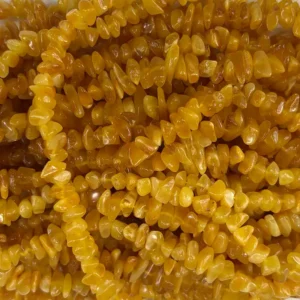
Honey amber meaning often draws on sunlight, optimism, and a welcoming feeling. In jewelry, lighter yellow-orange tones can create a bright focal point without introducing a sharp contrast.
Small honey-colored beads suit simple strands, while larger translucent pieces can emphasize the play of light. Pairing them with cream or pale neutrals keeps the overall look soft.
Cognac and Dark Amber: Depth and Vintage Character
Cognac shades introduce richer orange-brown tones. Dark amber meaning may suggest maturity, familiarity, or nostalgia because the color recalls aged wood and antique glass.
These are styling associations rather than evidence of age. A dark appearance does not prove that a piece is antique, untreated, or more valuable.
For a balanced design, combine deep amber tones with lighter spacers or a neutral cord. This gives individual beads more definition.
Cherry and Red Amber: A Stronger Accent
Cherry and red amber shades can create a bolder look than pale golden tones. Their visual intensity makes them useful for statement pendants or designs built around a warm central color.
For gift descriptions, red may symbolize affection or commitment. However, sellers should distinguish that message from the material description. GIA notes that heat treatment and dyeing can modify amber’s color, so a red appearance should not automatically be described as an untreated natural color.
White, Green, and Blue: Beyond the Amber Color Name
Amber gemstones can also have appearances outside the familiar yellow-orange range. White material may look cloudy or opaque, while greenish and bluish appearances require more specific descriptions.
These pieces belong to the wider range of amber materials, but they are not all examples of the color amber. That distinction helps avoid confusing a gemstone’s name with a color label.
| Shade description | Possible visual impression | Useful description detail |
|---|---|---|
| Honey or golden | Bright, warm, understated | Yellow-orange tone and transparency |
| Cognac or dark amber | Rich, earthy, vintage | Brown-orange depth and clarity |
| Cherry or red | Bold, warm, expressive | Red tone and disclosed treatments |
| White or cloudy | Soft, pale, distinctive | Opacity and surface appearance |
| Greenish or bluish | Unusual, contrasting | Lighting conditions and material information |
For consistent product listings, use clear photos alongside color names. A descriptive label helps buyers compare pieces, while images show the variation that words alone cannot capture.

How to Use Amber Color in Jewelry and Displays
Amber can act as the main color in a design or as a small accent. Start with the effect you want, then choose surrounding colors that help the piece stand out.
Choose a Palette with a Clear Purpose
A simple palette makes color choices easier to control. For example, cream can soften a golden pendant’s appearance, while navy provides a stronger contrast.
| Pairing | Suggested visual effect | Example |
|---|---|---|
| Amber and cream | Soft and warm | Honey-colored beads on a cream display card |
| Amber and navy | Clear contrast | A golden pendant against dark blue clothing |
| Amber and forest green | Earthy and rich | Amber accents in a nature-inspired collection |
| Amber and charcoal | Bold focal point | A statement necklace on a charcoal bust |
| Amber and warm brown | Blended, understated | Cognac beads with a brown cord |
Treat these as starting points rather than fixed rules. The size, transparency, and finish of each component will affect the result.
Match Metal Finishes to the Design
Gold-tone components can continue amber’s warmth, while silver-tone finishes offer a cooler contrast. Antique-style brass may suit a vintage design, although the finished effect depends on the specific shade and surface.
For gemstone combinations, consider construction as well as color. Harder beads or rough metal edges should not repeatedly rub against delicate amber surfaces.
Photograph Color Consistently
Use consistent lighting, a neutral background, and restrained editing when comparing products. Avoid filters that make honey tones look more orange or dark beads appear redder than they are.
Show at least one image that represents the piece under ordinary viewing conditions. If backlighting reveals transparency, label or explain that view rather than presenting it as the only appearance.
A short video can also show how a strand changes as it moves through the light. However, photos and videos help communicate appearance; they do not verify material identity or treatment.
Confirm Color Before a Bulk Order
For jewelry makers and retailers, a reference photo is more useful when paired with a written description. Specify whether you want pale honey, golden yellow-orange, deep cognac, cherry-red, or an intentionally mixed strand.
Also confirm whether the image shows a sample or the actual batch. Agree on an acceptable range of variation before production, especially when matching repeat orders.
For material and buying considerations beyond color, see our amber stone meaning guide.
FAQs About Amber Color Meaning
Is Amber Closer to Yellow or Orange?
Amber is generally described as yellow-orange. A lighter shade may look more yellow or golden, while a deeper version can lean toward orange-brown. For product matching, use a reference image rather than relying on the color name alone.
Is Amber the Same Color as Gold?
The two can overlap in hue, but they are not interchangeable. Amber usually describes a warm yellow-orange color. Gold may describe either a color or a metallic appearance, so an amber-colored bead can look golden without having a metallic finish.
What Does Amber Color Mean in the Bible?
In Ezekiel 1:4, the King James Version describes “the colour of amber,” while the New International Version uses “glowing metal.” The wording conveys radiance within a vision. It does not establish a universal biblical meaning for every amber-colored object or attribute powers to amber jewelry.
What Colors Go Well with Amber?
Cream and warm brown create a gentle, coordinated palette. Navy, forest green, and charcoal offer stronger contrasts. Choose the combination according to the amber shade, the size of the piece, and whether you want it to blend in or stand out.
Does Amber Color Prove a Piece Is Genuine Amber?
No. Glass, plastic, and other materials can have an amber-like color. Genuine amber also appears in colors beyond yellow-orange. Material identity and treatment require separate consideration; appearance alone is not proof of authenticity.
Conclusion
Amber color meaning centers on warmth, optimism, comfort, and vitality. Lighter honey tones can create a bright, gentle look, while cognac and cherry shades add depth and contrast. Their symbolism depends on context and personal interpretation.
When choosing jewelry, consider color, transparency, surrounding materials, and lighting. A shade name describes appearance, but it does not establish authenticity, treatment, or value.
For amber beads or jewelry for your store, message Rocrystal on WhatsApp or send an inquiry form. Share your preferred shade, reference photos, sizes, and quantity so we can discuss suitable options.
References
- GIA — Amber Quality Factors: Amber’s range of colors, appearance, and treatments that can alter color.
- GIA — Amber Care and Cleaning Guide: Softness and durability considerations when combining amber with other jewelry components.
- Bible Gateway — Ezekiel 1:4, NIV and KJV: Translation differences between “glowing metal” and “the colour of amber.”
- 311 — Amber, Official Music Video: Context for the song-related phrase discussed in the article.
Disclaimer
Color meanings and personality associations are interpretive and vary by culture, context, and personal experience. Spiritual symbolism does not establish healing effects or supernatural powers. Color alone cannot verify a product’s material, origin, treatment, or value.