
Black Obsidian Meaning: Symbolism, Properties, and How to Identify It
Written by Roc Gong | Founder of RoCrystal
Last updated: November 10, 2026
Black obsidian meaning centers on protection, grounding, and self-reflection in modern crystal traditions. Some people wear it as a reminder to set boundaries or pause before making a decision. Others choose it for its dark color and glassy shine.
For wholesale buyers, the first step is to confirm whether the order calls for plain black obsidian or a variety with a visible sheen. That choice affects what you ask to see in a sample. This guide explains the stone’s symbolism, how to recognize its common features, and what to check before ordering beads, bracelets, or polished pieces in bulk.
What Is Black Obsidian?
Black obsidian is a dark form of natural volcanic glass. It forms when thick, silica-rich lava cools quickly enough to limit crystal growth. This process gives black obsidian rock its glassy texture. When polished, a black obsidian stone can have a smooth, reflective surface. The U.S. Geological Survey’s guide to Yellowstone obsidian explains how rapid cooling produces this glassy material.
Is Obsidian a Crystal?
Geologically, obsidian is natural volcanic glass. It lacks the ordered internal structure of a crystal such as quartz. In jewelry shops and crystal communities, though, people often use the term “black obsidian crystal” for beads, carvings, and polished stones. In that context, black obsidian crystal meaning refers to the symbolism people associate with the material. For a look at other varieties, including rainbow and silver sheen obsidian, see our guide to obsidian meaning.

Black Obsidian Properties and Appearance
What Does Black Obsidian Look Like?
The typical black obsidian color is deep black. A polished bead or pendant often has a glassy shine, while a rough piece can look less reflective. If you’re comparing two batches, view them under the same light. A bright reflection in one photo may come from the lighting or the polish, so use it to assess the finish alongside other details.
Hardness, Luster, and Fracture
Three properties of black obsidian matter when you choose beads, bracelets, or polished stones. Luster affects how the piece looks, hardness tells you how easily it can scratch, and the way it fractures explains why a chipped edge deserves a closer look.
| Property | What It Means for Finished Pieces |
|---|---|
| Luster | Black obsidian has a glassy luster. On polished beads, uneven shine can make differences in finish easier to spot. |
| Hardness | Typical black obsidian hardness is about 5 to 5.5 on the Mohs scale. Harder stones such as quartz can scratch its polished surface if the pieces rub together. |
| Fracture | Obsidian can break along smooth, curved surfaces. This is called a conchoidal fracture, and it can leave sharp edges on chipped beads or pendants. |
Hardness describes resistance to scratches. A polished bead can still chip if it strikes a hard surface. Oregon State University’s Volcano World guide to obsidian explains its typical hardness and curved fracture.
Black Obsidian Spiritual Meaning
What Does Black Obsidian Represent?
In modern crystal traditions, the spiritual meaning of black obsidian centers on protection, grounding, and self-reflection. Protection can symbolize setting personal boundaries. Grounding means bringing your attention back to the present. Self-reflection means taking time to notice how you feel and think through your choices.
People who describe black obsidian spiritual properties often use the image of a shield or a mirror. The shield represents the boundaries you choose to set. The mirror represents looking honestly at your own thoughts and habits. For example, someone might wear a black obsidian bracelet as a reminder to pause before responding in a difficult conversation.
For a gift or display card, you can describe black obsidian stone meaning in one line. “In crystal traditions, black obsidian is a symbol of grounding and honest self-reflection.” The meaning of black obsidian stone can also be personal. One customer might choose it to mark a fresh start, while another simply likes its dark, polished look.
Black Obsidian Chakra and Traditional Beliefs
In modern crystal traditions, the most common black obsidian chakra association is with the root chakra. Practitioners often link it with stability and a sense of security. During meditation, someone might hold a polished piece as a reminder to notice their breathing or feel their feet on the floor.
Discussions of black obsidian metaphysical properties often include this link to the root chakra. The phrase “black obsidian healing properties” also appears in crystal guides, where it refers to traditional beliefs about emotional balance and reflection. These associations reflect personal beliefs and should stay separate from health claims.
For a gift or display card, keep the explanation of black obsidian meaning and benefits simple. A bracelet can serve as a personal reminder to slow down, and its dark color pairs easily with other jewelry. Our guide to black obsidian benefits covers more examples of how people wear and use it.



Black Obsidian History and Uses
What is black obsidian used for? Today, makers shape and polish it into beads, pendants, and decorative pieces. Historically, people shaped obsidian into knives and projectile points because it breaks along curved surfaces that can form sharp edges. The U.S. Geological Survey’s account of Obsidian Cliff notes that material from this Yellowstone source reached as far as Ohio and Canada through historical trade.
Black Obsidian Arrowhead Meaning
The history of obsidian tools gives readers exploring black obsidian rock meaning a concrete example of how people used the material. The Smithsonian’s collection includes an obsidian arrowhead. In modern jewelry, someone might choose an arrowhead pendant as a personal symbol of direction or resolve. A display card can mention the history of obsidian tools and describe the pendant’s symbolism separately.
Black Obsidian Jewelry Meaning
Black Obsidian Bracelet Meaning
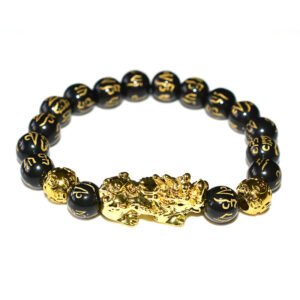
In modern crystal traditions, a black obsidian bracelet can symbolize protection or grounding. Wearing it on the wrist makes that symbolism easy to bring into daily life. For example, someone might put it on before a busy day as a reminder to take a breath before reacting.
Black Obsidian Beads Meaning
If you’re explaining obsidian beads meaning to a customer, start with the material and the design. In black obsidian jewelry, a single bead can carry the same personal meaning as a full strand. A designer might use one polished black bead as the focus of a mixed-stone bracelet or make an all-black piece for someone who prefers a simpler look.
Black Obsidian Necklace Meaning
A black obsidian necklace can symbolize grounding or personal protection in modern crystal traditions. For example, someone might wear a pendant to mark a fresh start. Others may simply like how the polished black stone looks against a silver chain.
Black Obsidian Ring Meaning
A black obsidian ring can carry similar symbolism. However, a ring is easier for the wearer to see throughout the day. As a result, it can serve as a visible reminder of a personal intention, such as taking a moment to think before making a decision.
What Does Black Obsidian Mean in Love?
In relationships, some people connect black obsidian with honesty and healthy boundaries. For instance, someone might choose it as a reminder to speak openly about what they need. If you give it as a gift, a short note can explain what the piece means to you.
How to Identify Black Obsidian
Plain Black Obsidian and Similar Varieties
Start by looking at the piece under steady light, then tilt it slowly. For example, rainbow obsidian can reveal colored bands or an eye as you turn it. By contrast, plain black obsidian usually keeps a more uniform look. The table below gives you a few features to look for when comparing samples.
| Variety | What to Look For |
|---|---|
| Plain black obsidian | A mostly even, dark appearance with a glassy shine when polished |
| Rainbow obsidian | Colored bands or an eye that may become visible as you tilt the piece |
| Gold sheen or silver sheen obsidian | A gold or silver reflection that changes with the viewing angle |
| Mahogany obsidian | Reddish-brown areas mixed with black |
Black Obsidian vs. Black Agate and Black Tourmaline
In some batches I’ve handled, polished black agate looked brighter than plain black obsidian. However, polish and lighting can change how both materials look. Likewise, polished black tourmaline can look similar in a photo, especially when the pieces are cut to the same shape. For that reason, I use appearance and feel as clues when comparing samples.
What to Check Before Ordering
If you’re buying natural black obsidian in bulk, ask the supplier to state the material and variety in writing and disclose any known treatments. Next, request a sample from the batch you’ll actually receive. If you’re still unsure whether it’s real black obsidian, a gemologist can assess the sample. The GIA study on black opaque gem materials explains why black obsidian identification can require more than a visual check.
My Experience Supplying Black Obsidian
What a 1,000-Strand Order Taught Me About Pricing
One of my customers in India ordered 1,000 strands of plain, 8 mm black obsidian beads. At first, I agreed to a price based on the customer’s target. However, when I compared suppliers, even the lowest sourcing price was about RMB 0.30–0.40 per strand above that figure. Across 1,000 strands, the difference added up to RMB 300–400. In the end, I made no profit on the order.
Why I Confirm the Variety Before Quoting
Among the customers I’ve served, buyers in India have often asked for plain black obsidian. By contrast, my European and North American customers have more often asked for visible rainbow eyes or a gold or silver sheen. Even so, I confirm the desired look with each buyer. Now, when I quote bulk black obsidian, I first confirm the variety, bead size, and strand specifications. Then I check what it will cost to source the goods before I agree to a price.

How to Buy Black Obsidian Wholesale
Check the Specifications for Each Product
Bead strands. For black obsidian beads, confirm the bead diameter, hole size, strand length, and approximate bead count. For example, if you’re ordering 8 mm beads for a repeat design, agree on a size tolerance and check that your cord passes through the sample beads. Next, inspect both ends of the drill holes for chips. You can compare loose bead options in our stone beads collection.
Finished bracelets. A black obsidian bracelet needs a different set of measurements. In particular, ask for the finished inner circumference so you can judge how it will fit. Also check the string material, knot or clasp, and any metal fittings. See our stone bracelets for finished styles.
Tumbled stones, rough, and points. For black obsidian tumbled stones, confirm the size range and net weight. If you sell them individually, also ask for an estimated piece count for the lot. In contrast, black obsidian rough needs particular attention to exposed sharp edges and packing. For polished black obsidian points, check the tips and corners for chips. Browse our tumbled stones to compare polished options.
Confirm the Sample, Quote, and Packing
Before you approve the order, use the same specifications to compare samples and quotes.
- First, confirm the batch. Ask whether the sample comes from the lot you’ll receive. Confirm the variety and ask the supplier to disclose any known treatments in writing.
- Next, compare prices on the same basis. Check whether each quote is per strand, per finished piece, or per kilogram. In addition, confirm what the price includes for packing and shipping.
- Finally, agree on what counts as a defect. Record the approved size range, finish, and acceptable condition. For example, specify how the supplier should handle chipped drill holes, broken tips, or pieces outside the agreed size range.
Once you’ve settled those details, browse our Obsidian collection for the product forms you plan to stock.
How to Care for Black Obsidian
How to Clean Black Obsidian
Start with a soft, slightly damp cloth to wipe away dust or fingerprints. Then dry the piece with a clean, soft cloth. Before soaking a bracelet or necklace, check whether the cord, clasp, and setting can tolerate water. For example, if you’re unsure how the pendant is attached, wipe the stone’s surface and keep moisture away from the fitting. The Gemological Institute of America’s jewelry care guide explains why the materials and construction of a piece matter when choosing a cleaning method.
Store Polished Pieces Separately
Store polished beads and jewelry in individual soft pouches or padded compartments. For instance, place a black obsidian pendant in its own pouch so it won’t rub against a quartz pendant or metal clasp. If you’re packing a bulk order, separate loose stones from finished jewelry. That way, heavier pieces are less likely to strike beads or fittings in transit.
Physical Cleaning and Symbolic Cleansing
Guides to black obsidian spiritual meaning and uses sometimes mention cleansing as a personal ritual. For example, some people set a piece aside in moonlight as part of their practice. To remove dust or fingerprints, use the cloth method above.
FAQ
How to Tell If Obsidian Is Real?
Start by asking the supplier to identify the material in writing. Then request a sample from the batch you plan to buy. If the sample’s identity is still unclear, have a gemologist examine it. A glossy black finish alone can’t tell you whether a piece is natural obsidian or manufactured glass.
Who Should Not Wear or Use Black Obsidian?
People of any background can choose to wear it. If you’re searching for the side effects of black obsidian, look first at the condition and fit of the jewelry. For example, a chipped bead can leave a sharp edge, while a tight bracelet can feel uncomfortable. Also check the clasp and other metal parts if you have a known metal sensitivity.
What Are the Benefits of Black Obsidian?
In jewelry, black obsidian offers a deep black color and a glassy polish. In addition, some people choose it as a personal reminder to slow down or set boundaries. Those symbolic uses come from modern crystal traditions and personal beliefs.
Is Obsidian Good or Bad Luck?
People interpret obsidian differently. For example, someone might wear it as a symbol of protection before a big change. Whether that feels meaningful depends on the person’s beliefs.
Why Is Black Obsidian Considered Powerful?
In some crystal traditions, its reputation comes from its association with protection and honest self-reflection. For instance, the image of a mirror can represent taking a closer look at your habits or choices.
Which Zodiac Can Wear Black Obsidian?
Anyone can wear black obsidian, regardless of zodiac sign. Some crystal guides associate it with Scorpio or Sagittarius. However, these associations vary by tradition, so you can choose it for its appearance or personal meaning.
Is Black Obsidian Associated With Witchcraft?
Some people use black obsidian in spiritual or witchcraft practices. For example, a polished piece may be used as a focus during a ritual. Many people also wear it simply because they like the color and finish.
What Does It Mean When a Black Obsidian Bracelet Breaks?
First, check where it broke. A frayed cord, a rough bead hole, or a chipped bead can help explain what happened. For example, if the cord frayed beside one bead, inspect that hole before restringing the bracelet. Some wearers give the break a personal meaning, such as marking the end of a chapter.
Conclusion
Black obsidian meaning often centers on protection, grounding, and self-reflection in modern crystal traditions. For wholesale buyers, start by deciding which look and product form you want to stock. Then use a sample to check that the finish, size, and condition match what you plan to sell.
If you’re sourcing black obsidian in bulk, send us the variety, product form, size, and quantity you need. Reach us on WhatsApp or use our inquiry form to request a quote and photos of the available stock.
Disclaimer
The spiritual meanings, chakra associations, and cleansing practices discussed in this article reflect modern crystal traditions and personal beliefs. This article offers general information about black obsidian and its uses. It does not provide medical advice.
References
- U.S. Geological Survey. Yellowstone’s Tool-Making Lava Flows. Explains how obsidian forms and documents its use in tools and historical trade.
- Oregon State University, Volcano World. Obsidian. Covers typical Mohs hardness, conchoidal fracture, and variations in appearance.
- Smithsonian Institution. Arrowhead, Obsidian. Documents an obsidian arrowhead in the museum collection.
- Mary L. Johnson, Shane F. McClure, and Dino G. DeGhionno. Some Gemological Challenges in Identifying Black Opaque Gem Materials. Explains the limits of visual identification and the role of gemological testing.
- Gemological Institute of America. Tips on Caring for Jewelry. Provides general guidance on cleaning and storing finished jewelry.