
Sodalite Meaning: Properties, Uses, and a Wholesale Buying Guide
Written by Roc Gong | Founder of RoCrystal
Last updated: September 17, 2026
Sodalite meaning is commonly linked with honest communication, clear thinking, self-expression, and emotional balance. In crystal traditions, some people use this blue stone as a symbol of calm reflection and personal truth. However, these spiritual associations come from traditional beliefs and should not be treated as proven medical effects.
A sodalite crystal is easy to recognize by its rich blue color and natural white, gray, or occasional yellow-brown patterns. This varied appearance makes it popular for beads, bracelets, tumbled stones, raw pieces, carvings, and decorative displays. Each piece can look different because sodalite is a natural mineral.
For wholesale buyers, appearance is only one part of the decision. Color consistency, polishing, size tolerance, surface marks, treatments, packaging, and batch confirmation can all affect resale. This guide explains sodalite properties, spiritual associations, common uses, quality grades, care methods, and the differences between sodalite and lapis lazuli. It also provides practical advice for selecting products and working with a reliable supplier.
What Is Sodalite?
Mineral Composition and Physical Properties
To define sodalite correctly, it is a sodium-rich aluminosilicate mineral that contains chlorine. Its chemical formula is commonly written as Na₈(Al₆Si₆O₂₄)Cl₂. It belongs to the sodalite mineral group and forms in the cubic crystal system. Although well-shaped crystals exist, most sodalite used for beads, carvings, and tumbled stones occurs as massive material rather than clear individual crystals.
According to the Handbook of Mineralogy, sodalite has a Mohs hardness of about 5.5 to 6 and a measured specific gravity of approximately 2.27 to 2.33. It can show a vitreous to greasy luster, while its fracture ranges from uneven to conchoidal. These sodalite properties help explain why the stone can take a smooth polish but may still chip if it receives a strong impact.
Hardness and toughness are not the same. Sodalite is hard enough for beads, bracelets, pendants, tumbled stones, and decorative objects, yet the mineral is also brittle. Rings and frequently worn bracelets may develop scratches or damaged edges if they strike harder materials. Wholesale buyers should therefore inspect the polish, drilled holes, edges, and surface condition instead of judging sodalite crystal properties by color alone.
How Sodalite Forms and Where It Comes From
Sodalite usually forms in silica-poor, sodium-rich igneous rocks. It is often associated with nepheline syenite and other alkaline rocks rather than the quartz-rich environments where many familiar minerals develop. The Handbook of Mineralogy records associations with minerals such as nepheline, cancrinite, calcite, and aegirine. The exact mineral mixture varies between deposits.
The mineral was first described from Greenland in the early nineteenth century. Today, sodalite is found in several countries, including Canada, Brazil, Namibia, Russia, Greenland, and parts of the United States. Mindat’s sodalite records also show many additional localities. However, a recorded occurrence does not always mean that the deposit supplies large amounts of material for commercial cutting.
Most natural sodalite used for wholesale products comes from massive rough rather than well-formed crystals. Factories cut this material into beads, bracelets, tumbled stones, carvings, towers, and other decorative shapes. Commercial sodalite may be widely available, but attractive rough with a strong blue color and a suitable amount of white pattern can still vary between batches. For this reason, buyers should confirm the current material instead of assuming that every shipment will match a previous order exactly.
Sodalite Meaning and Symbolism
Blue Sodalite Meaning
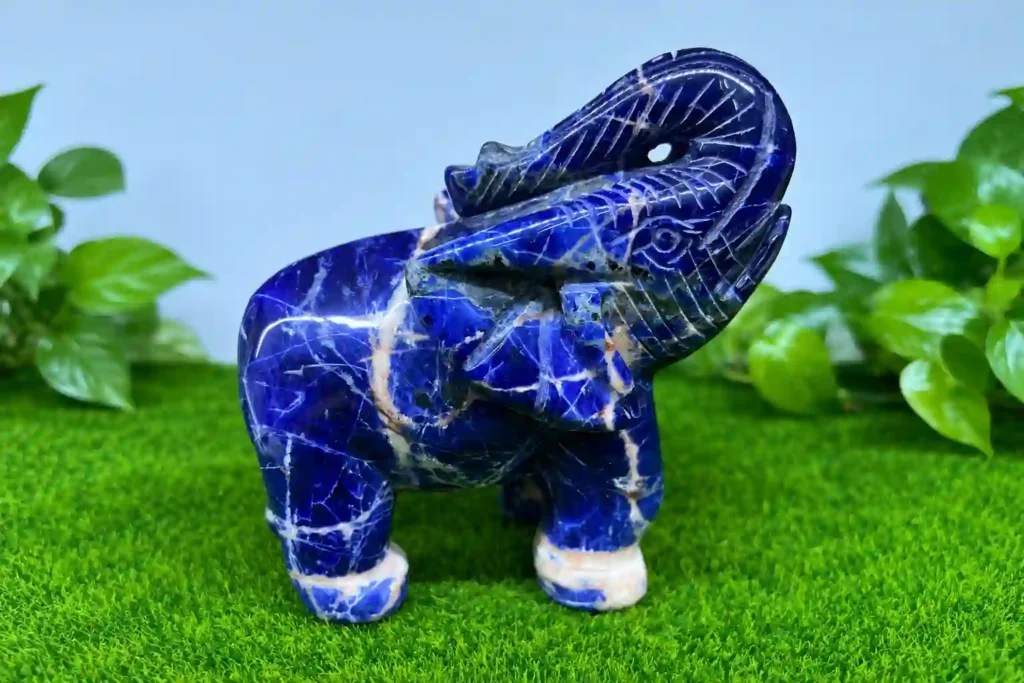
Blue sodalite meaning is often connected with calm communication, honesty, clear thought, and personal truth. Its deep blue color reminds many people of the sea or the night sky. For this reason, the stone has become a popular symbol of reflection and peaceful self-expression. These ideas come from crystal traditions and personal beliefs rather than established scientific evidence.
The natural white patterns also shape the meaning of sodalite. Some buyers say the blue areas resemble the ocean, while the white sections look like land, clouds, or moving waves. Together, these colors can create an appearance similar to the Earth when viewed from a distance. This visual connection is one reason customers may choose blue sodalite for bracelets, tumbled stones, carvings, and decorative displays.
The meaning of sodalite stone can differ between cultures and individual users. One person may view it as a reminder to speak honestly, while another may value it mainly for its blue-and-white appearance. Retailers should present these symbolic ideas as traditions, not guaranteed effects. Clear wording allows customers to enjoy the sodalite stone meaning without confusing spiritual associations with medical or scientific claims.
Communication, Truth, and Mental Clarity
Sodalite spiritual meaning is strongly associated with communication and honest self-expression. In crystal traditions, some people believe the stone can serve as a reminder to organize their thoughts before speaking. Others keep it nearby during meetings, study sessions, or difficult conversations because its blue color creates a calm and thoughtful impression.
When people ask, “What does sodalite do spiritually?” the answer often includes truth, confidence, and rational thinking. Supporters of crystal practices may use it while reflecting on a decision or preparing to express an idea clearly. However, sodalite does not automatically improve communication skills. Its value in this setting is symbolic and depends on the user’s beliefs and personal habits.
The sodalite metaphysical properties linked with mental clarity should also be described carefully. Holding a stone cannot replace learning, preparation, professional advice, or healthy communication. Still, a sodalite crystal may act as a personal cue to pause, consider the facts, and respond with greater care. Retailers can explain these traditional associations without promising a specific result. This balanced approach respects spiritual customers while keeping product information honest and suitable for wider markets.
Emotional Balance and Personal Reflection
Sodalite crystal benefits are often described in connection with emotional balance, patience, and self-awareness. Some people believe the stone encourages them to look at a situation with less fear and more reason. In crystal traditions, it may be used as a symbol of calm thought during periods of stress, disagreement, or personal change.
The spiritual properties of sodalite are also linked with accepting emotions without allowing them to control every decision. A person may hold a tumbled stone, wear a bracelet, or place a sodalite crystal on a desk as a reminder to pause and reflect. The stone itself does not remove difficult emotions, but the habit of slowing down may support a more thoughtful response.
When customers ask what sodalite is good for, retailers should separate traditional beliefs from verified effects. Sodalite has not been scientifically proven to treat anxiety, depression, insomnia, high blood pressure, or other medical conditions. It should never replace professional care. Its emotional meaning is better presented as a personal or spiritual practice. This careful wording allows buyers to understand the traditional meaning of sodalite while avoiding misleading health promises.
Sodalite Chakra and Spiritual Associations
Throat Chakra Association
The sodalite chakra connection is most often linked with the throat chakra, also called Vishuddha in some spiritual traditions. This energy center is associated with speech, listening, truth, and self-expression. Because sodalite has a strong blue color, many crystal users choose it when they want a physical symbol of calm and honest communication.
Some people wear sodalite beads near the neck, hold a tumbled stone while speaking, or keep the crystal nearby during reflection. In these practices, the stone is not expected to do the work by itself. Instead, users may treat it as a reminder to listen carefully, choose clear words, and express their views with confidence and respect.
Descriptions of sodalite crystal spiritual meaning should remain cautious. There is no scientific evidence that sodalite can open, unblock, or medically heal the throat area. It also cannot treat voice problems, thyroid conditions, or respiratory illness. These chakra associations belong to spiritual belief systems rather than clinical medicine. Retailers can explain the traditional meaning while avoiding guaranteed results or health claims that may mislead customers.
Third Eye, Intuition, and Zodiac Traditions
Besides the throat chakra, some crystal traditions connect sodalite with the third eye chakra. This spiritual center is commonly associated with intuition, awareness, and inner reflection. People may use sodalite during meditation or quiet thinking when they want to examine their ideas, habits, or decisions more carefully.
The sodalite spiritual properties linked with intuition do not mean that the stone can predict events or provide hidden knowledge. A more careful explanation is that some users treat it as a focus object. Its color and personal meaning may help them create a calm setting for reflection, but any result depends on the individual and the practice.
Zodiac associations are also based on tradition rather than mineral science. Sodalite is often connected with Sagittarius, while some sources also associate it with Virgo or other signs. These lists are not consistent, and sodalite is not limited to people born under one zodiac sign. Retailers can present these links as optional spiritual ideas. Customers can choose the stone because of its appearance, symbolism, or personal preference, regardless of their birth date.
Sodalite Crystal Meaning and Uses
Sodalite Beads and Bracelets
Factories cut sodalite beads in many shapes, but round beads remain the most common choice for wholesale orders. Popular diameters include 4 mm, 6 mm, 8 mm, 10 mm, and 12 mm. Larger beads normally use more rough material and create heavier strands, so size can directly affect the cost of finished bracelets and jewelry.
Jewelry designers often buy loose strands because they need specific bead sizes, hole diameters, and color combinations. Crystal shops may prefer finished bracelets that they can display immediately. Some retailers select dark blue beads with fewer white areas, while others choose mixed blue-and-white patterns because they look more natural and distinctive.
Before ordering in bulk, buyers should inspect bead roundness, surface polish, drilled holes, cracked edges, and size tolerance. A supplier should also explain whether the strands contain one consistent shade or a natural mixture of blue tones. Clear specifications help designers choose suitable findings and allow retailers to keep their sodalite bracelets visually consistent across repeated orders.
Tumbled Stones and Raw Sodalite
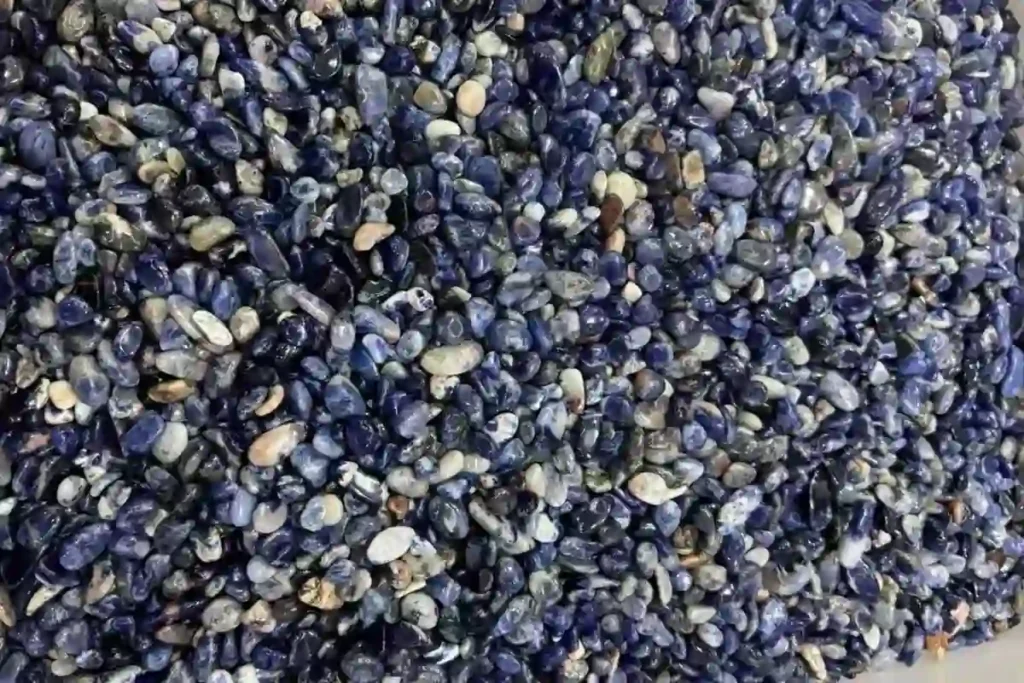
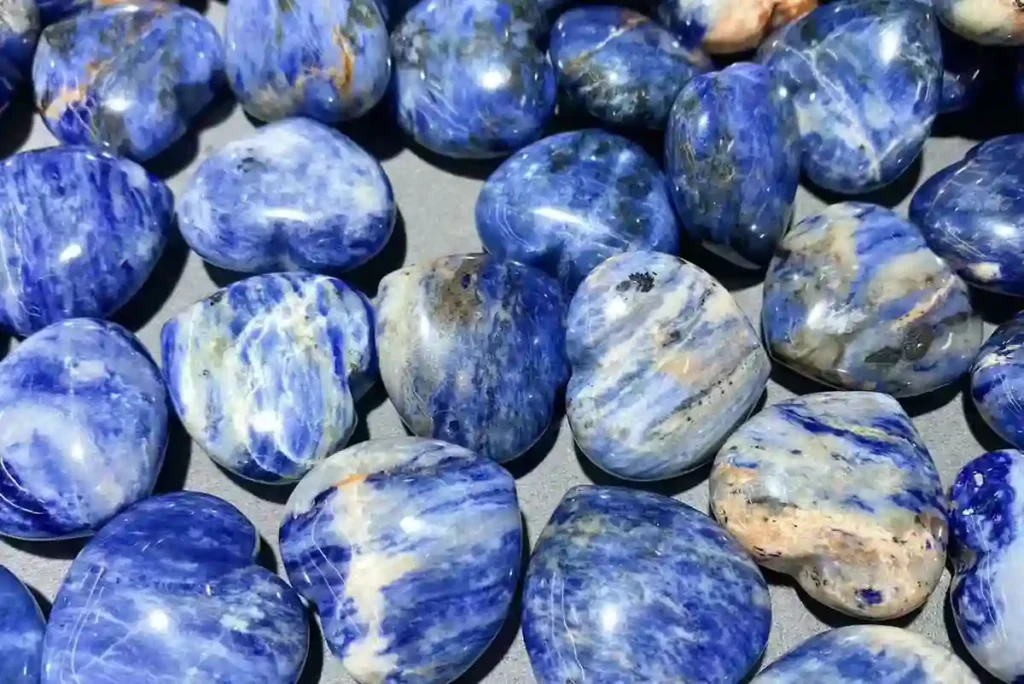
Sodalite tumbled stones offer a smooth surface, rounded edges, and an easy-to-display shape. Crystal shops often sell them individually, by weight, or in small gift bags. Retailers can also add them to meditation sets, themed crystal boxes, and beginner collections. Their blue-and-white patterns make each piece look different while keeping the whole batch visually connected.
Raw sodalite keeps more of the stone’s original texture and irregular shape. Some customers prefer this natural appearance for mineral displays, decorative bowls, or spiritual collections. However, raw pieces usually show greater differences in weight, thickness, color, and surface condition than polished products.
Wholesale buyers should set different standards for these two forms. For tumbled stones, check the polish, shape, size range, cracks, pits, and broken edges. For raw material, focus on color, usable areas, total weight, and the amount of unwanted matrix. Natural pieces cannot match one another exactly. Current batch photos and a clear size range help buyers understand what they will receive before placing a bulk order.
Home, Workspace, and Retail Display Uses
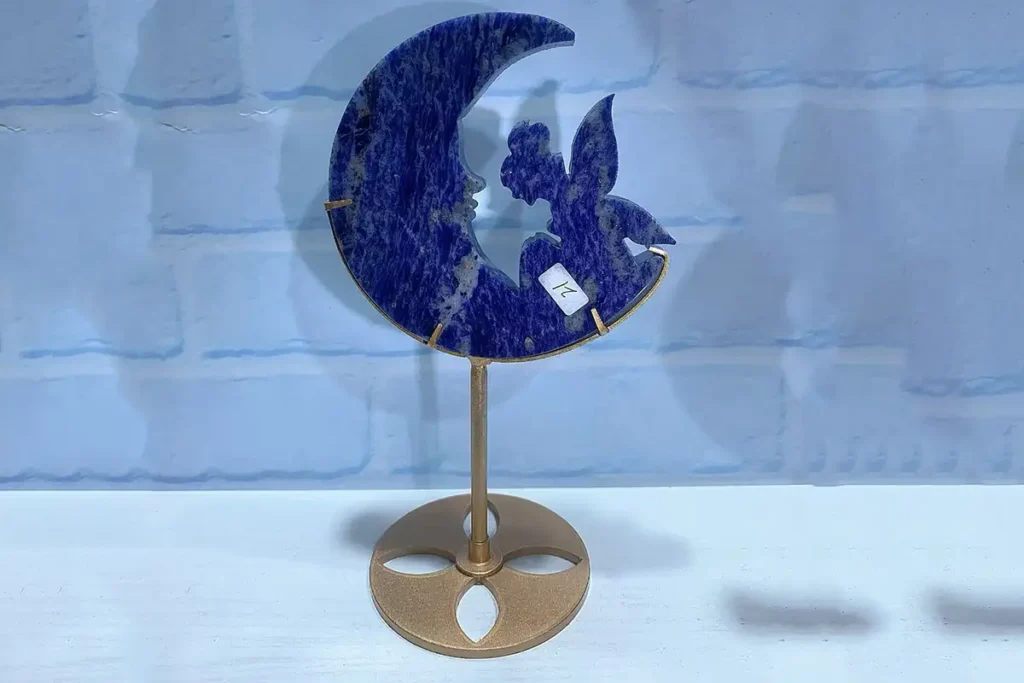
Sodalite uses extend beyond jewelry and small tumbled stones. Retailers also offer palm stones, towers, spheres, carvings, bookends, and decorative pieces for homes or workspaces. The strong contrast between blue areas and white patterns helps these products stand out in glass cabinets, open trays, and color-themed displays.
Some customers place sodalite near a desk, reading area, or meditation space. In crystal traditions, they may choose it as a symbol of clear thinking and honest communication. Others simply enjoy its natural color and decorative value. Retailers should describe both options without suggesting that the stone guarantees better concentration, calmer emotions, or improved work results.
Product form should match the target market. Gift shops may prefer polished shapes and small carvings, while crystal stores often carry tumbled stones and raw pieces. Jewelry sellers usually focus on beads and bracelets.
Looking for sodalite beads, bracelets, tumbled stones, or raw material? Contact us on WhatsApp or send an inquiry to check current batches, available sizes, packaging options, and wholesale prices.
Sodalite vs Lapis Lazuli
Key Differences at a Glance
Sodalite and lapis lazuli can look similar because both materials often show a rich blue color with lighter markings. However, they differ in mineral composition, pattern, price position, and common retail appearance. The following comparison can help buyers check an order before they confirm the product.
| Feature | Sodalite | Lapis Lazuli |
|---|---|---|
| Material type | An individual mineral, often sold as massive material | A rock composed of several minerals |
| Typical color | Royal blue, navy blue, or grayish blue | Deep blue to ultramarine |
| White areas | White or gray patterns often appear | White calcite may appear |
| Golden flecks | Less common and not a defining feature | Pyrite may create gold-colored flecks |
| Market position | Usually more affordable | Often carries a higher price |
| Common products | Beads, bracelets, tumbles, carvings, and raw pieces | Jewelry, beads, carvings, and decorative objects |
This table offers a practical starting point, but color alone cannot confirm identity. Buyers should compare the name, reference image, current batch, and supplier description. Professional gemological testing provides a stronger answer when an order carries high value or uncertain material.
White Veins, Golden Flecks, and Color Differences
Sodalite usually shows royal blue, navy blue, gray-blue, and white areas. Many commercial pieces contain visible white veins or patches, although buyers cannot confirm the exact mineral in every pale area from a photograph alone. The pattern may look cloudy, streaked, or uneven across the same wholesale batch.
Lapis lazuli often displays a deeper ultramarine color. The Gemological Institute of America explains that lapis lazuli contains several minerals, with lazurite providing its blue color. Calcite can create white areas, while pyrite can produce metallic gold-colored flecks. The amount and distribution of these minerals affect the overall appearance and value.
Golden flecks provide a useful clue, but they do not prove identity by themselves. Sodalite may also occur near other minerals, while dyed or imitation materials can copy familiar color patterns. Wholesale buyers should compare the complete appearance, price, source information, and current batch. When the material has high value or uncertain identity, a qualified gemological laboratory can provide a more reliable result than a visual check.
Why Buyers Sometimes Confuse the Two
Sodalite and lapis lazuli often appear under similar product names because both materials have a strong blue color. Small photos can hide white veins, gold-colored flecks, and differences in texture. Lighting, camera settings, polishing, and screen color can also change how the blue tone looks. New buyers may therefore choose the correct name but send a reference photo of the other material.
Language and supplier terminology create another risk. Some sellers use broad names such as “blue stone,” while others translate local trade names differently. A buyer may also copy an incorrect name from an old price list or marketplace listing.
Suppliers should compare the written order with the customer’s reference image before arranging production or shipment. Current photos, close-up videos, and side-by-side comparisons can quickly reveal a mismatch. This simple confirmation protects both parties from receiving the wrong stone. It also helps new buyers learn the visible differences between sodalite and lapis lazuli before placing larger orders.
How to Evaluate Sodalite Quality for Wholesale Orders
Blue Color and White Pattern Distribution
Sodalite can range from bright royal blue to dark navy, gray-blue, or mixed blue and white. Many buyers prefer a rich blue base because it creates a stronger display and matches common customer expectations. However, some markets enjoy bold white patterns because they give each bead, tumbled stone, or carving a more natural and distinctive appearance.
No universal grading system controls commercial sodalite. Labels such as A, AB, and AB+ can mean different things from one supplier to another. One factory may grade mainly by blue color, while another may consider white areas, polish, cracks, shape, and overall consistency. Buyers should request current photos and a written explanation of each grade before comparing prices.
Fewer white areas do not automatically make a piece more natural. They only create a different appearance and may raise the price when customers prefer a cleaner blue color. For large orders, buyers should confirm the acceptable range of blue shades and white patterns. A clear visual standard helps suppliers select a more consistent batch and reduces disagreements after delivery.
Polish, Shape, and Surface Quality
A good polish gives sodalite tumbled stones, beads, and carvings a smooth surface and clear color. Dull areas, deep scratches, rough edges, or poor shaping can reduce their retail appeal. Wholesale buyers should inspect products under normal light and check several pieces from different parts of the batch instead of judging only the best samples.
Quality standards should match the product form. For tumbled stones, check the overall shape, shine, cracks, pits, and broken edges. Beads require extra attention around drilled holes because chips can cut the cord or weaken the piece. Buyers should also examine bead roundness, hole alignment, and size tolerance. Carvings need stable bases, balanced shapes, and clearly finished details.
Raw sodalite follows a different standard. Natural rough surfaces, irregular edges, and attached matrix do not count as polishing defects. However, excessive loose material, severe fractures, or too little usable blue area may lower its commercial value. Clear photos and agreed inspection points help both buyer and supplier distinguish natural features from cutting or finishing problems.
Yellow or Brown Areas and Natural Variations
Some sodalite tumbled stones show yellow, brown, gray, or dark markings beside the usual blue and white areas. Associated minerals, natural inclusions, weathering, or surface staining may create these colors. However, buyers cannot identify the exact cause from appearance alone. A photograph can show the pattern, but it cannot confirm its mineral composition.
Small markings do not always indicate damage, artificial coloring, or poor-quality material. Many customers accept them as part of the stone’s natural variation. Still, a batch with too many yellow or brown areas may look very different from the clean blue material shown in a reference image. This difference can affect retail presentation and customer acceptance.
Before confirming a wholesale order, buyers should ask for close-up photos or videos of the current batch. The supplier should also explain whether the markings appear on a few pieces or throughout most of the lot. Clear visual confirmation allows both sides to agree on an acceptable range without claiming that every colored mark proves the sodalite is natural.
Size, Weight, and Batch Consistency
Different sodalite products require different measurement methods. Suppliers normally describe round beads by diameter in millimeters and sell them by strand or piece. Tumbled stones often use a size range, such as 20–30 mm, and buyers may purchase them by kilogram. Raw pieces need both an approximate size range and a weight range because irregular shapes can create large differences.
Two stones with similar dimensions may not weigh exactly the same. Shape, thickness, fractures, attached matrix, and polishing loss can all affect the final weight. Natural material also makes it difficult to produce identical patterns across every bead or tumbled stone.
Wholesale buyers should confirm the unit of sale, size tolerance, total weight, strand length, and packing method before payment. They should also ask whether the supplier will mix different shades or select a more consistent color range. A realistic specification works better than a request for perfectly identical natural stones. Clear tolerances allow the supplier to prepare the batch correctly and help the buyer plan retail pricing, packaging, and inventory more accurately.
Is Sodalite Real? Treatments and Identification Risks
Natural Sodalite, Dyed Material, and Look-Alikes
Natural sodalite often shows uneven blue tones, white or gray areas, and irregular mineral patterns. However, appearance alone cannot prove that a stone is genuine. The market may also contain dyed rock, reconstructed material, glass, resin, or other blue stones sold under an incorrect name. Treatments and imitations can vary between suppliers and production batches.
An unusually uniform blue color may give buyers a reason to inspect the material more closely, especially when color gathers inside drilled holes, cracks, or surface pits. Blue residue on packaging or a cleaning cloth may also raise concerns. Still, none of these signs provides a final identification on its own. Natural sodalite can show strong color, while some imitations can copy uneven patterns very well.
Buyers should avoid destructive home tests that use acids, bleach, heat, scratching, or prolonged soaking. These methods can damage the surface, alter the polish, or create misleading results. A supplier should clearly state whether the goods contain natural, dyed, treated, or reconstructed material. For expensive or uncertain orders, a qualified gemological laboratory offers the safest way to confirm genuine sodalite and identify possible treatments.
What a Buyer Can Check Before Ordering
Before placing a bulk order, buyers should request photos and videos of the actual sodalite batch rather than relying only on old samples or edited catalog images. Natural daylight and close-up views can reveal the blue tone, white patterns, yellow or brown areas, cracks, pits, polish, and overall color range more clearly.
The product name must also match the reference image. Buyers should compare sodalite with lapis lazuli and other blue materials when the description looks uncertain. For beads, ask the supplier to show the holes, strand length, bead diameter, and size tolerance. For tumbled stones, confirm the size range, shapes, surface quality, total weight, and percentage of pieces with visible defects.
A small sample order can reduce risk before a large purchase, although samples cannot guarantee that every later batch will look identical. Buyers should keep approved photos and written specifications with the order record. If the material carries high value or the identity remains uncertain, send a representative sample to a qualified gemological laboratory. Supplier statements and visual checks provide useful information, but professional testing gives stronger evidence when accurate identification matters.
Choosing Sodalite Products for Different Markets
Crystal Shops and Gift Retailers
Crystal shops can offer sodalite in several price ranges and product forms. Small tumbled stones work well in open trays, mixed crystal sets, and low-cost gift bags. Palm stones, bracelets, towers, spheres, and carvings give customers more choices and can increase the average order value. The blue-and-white appearance also fits ocean, sky, communication, and blue-color display themes.
Gift retailers may prefer polished products because customers can understand their purpose quickly. Finished bracelets, small carvings, and boxed sets need less explanation than rough material. Clear labels should include the product name, approximate size, country of origin when verified, and a short note about natural variations.
Retail descriptions can mention the traditional sodalite meaning, but they should not promise medical or emotional results. Simple wording about communication, reflection, and personal truth offers spiritual context without misleading customers. A balanced product mix helps retailers serve both decorative buyers and customers interested in crystal traditions.
Jewelry Designers and Importers
Jewelry designers usually focus on bead diameter, hole size, strand length, shape, polish, and color matching. A small difference in hole diameter can affect the choice of cord, wire, pins, or findings. Designers should also check whether the supplier can provide similar shades for repeat orders, especially when they plan to create matching collections.
Importers often manage larger quantities and need more than attractive samples. They should confirm the material name, grade, total weight, packing list, carton size, product value, and country-of-origin information. Local customs rules may also require specific documents, so buyers should check the requirements in their destination market before shipment.
Clear packaging reduces sorting work after arrival. Suppliers can separate products by size, shape, color grade, or item number and label each bag correctly. Photos taken before packing can create a useful order record. These steps help importers check incoming stock, distribute goods efficiently, and report any quantity or quality problem with clear evidence.
Amazon and Other Marketplace Sellers
Amazon and marketplace sellers depend heavily on accurate photos, clear specifications, and consistent batches. Customers compare the received item with the listing images, so major differences in blue tone, white patterns, size, or shape can lead to complaints and returns. Sellers should photograph realistic examples instead of showing only the darkest or cleanest pieces.
Product details should state the approximate size, quantity, weight, and expected natural variation. For mixed tumbled stones or bracelets, sellers can explain that each piece has a unique pattern. Close-up images of several examples give customers a better idea of the possible color range.
Health claims create another risk. Sellers should not state that sodalite treats anxiety, lowers blood pressure, cures insomnia, or replaces medical care. They can describe sodalite crystal benefits as traditional or symbolic associations with communication and clear thinking. Careful wording protects customers, supports platform compliance, and helps sellers build trust through accurate expectations.
Selecting the Right Product Mix
A practical sodalite range can include loose beads, finished bracelets, tumbled stones, raw pieces, and a few larger decorative items. These forms serve different budgets and customer needs. Small tumbled stones and bracelets provide accessible choices, while carvings, spheres, and large raw pieces can create stronger visual displays and higher-value sales.
New buyers should test several products before placing a large repeat order. Sales results can show whether their customers prefer dark blue material, strong white patterns, natural mixed colors, or more uniform pieces. A small trial also helps buyers compare packaging, finish, size accuracy, and customer feedback.
The final product mix should match the sales channel. Jewelry businesses need reliable bead specifications, while crystal shops may benefit from a wider range of shapes and sizes. Gift retailers often prefer finished items with simple packaging. Buyers can adjust later orders after they identify the best-selling colors, sizes, and forms in their market.
Cleaning, Packaging, and Shipping Sodalite
How to Clean and Care for Sodalite
Use a soft cloth, lukewarm water, and a small amount of mild soap to clean sodalite. Wipe the surface gently, rinse away any soap, and dry the stone soon afterward. Avoid strong acids, bleach, abrasive powders, and rough brushes because they may damage the polish or affect other minerals within the material.
The Gemological Institute of America’s guidance on ultrasonic cleaners explains that not every gemstone can safely enter an ultrasonic machine. Sodalite has a Mohs hardness of about 5.5 to 6 and brittle tenacity, so a conservative cleaning method makes sense. Cracks, drilled holes, treatments, and attached jewelry materials can create extra risks during ultrasonic or steam cleaning.
Store sodalite away from harder gemstones that may scratch its surface. Separate bags, soft cloth, or padded compartments can protect beads and finished jewelry. Physical cleaning also differs from spiritual cleansing. Some people use moonlight, sound, or personal rituals, but these practices come from crystal traditions. Retailers should not present them as scientific maintenance methods or necessary steps for preserving the mineral.
Packaging and Shipping Bulk Orders
Good packaging should prevent sodalite products from rubbing, moving, or striking one another during transport. Suppliers can place bead strands in separate bags and label each size, shape, and item number. Finished bracelets need enough space to prevent heavy items from pressing against the elastic cord or decorative parts.
Tumbled stones usually require stronger bags because their combined weight can break thin packaging. Dividing a large order into smaller inner bags makes the goods easier to count, handle, and resell. Bubble wrap, foam sheets, or other cushioning materials can separate layers inside the carton. Larger carvings, spheres, and raw pieces need individual wrapping and extra protection around edges or pointed areas.
The outer carton should match the total weight and leave little empty space. Loose products can move repeatedly and develop chips even when each piece has a separate bag. For international shipments, buyers should confirm the carton count, gross weight, net weight, labels, and packing list before dispatch. Photos of the packed goods and sealed cartons create a clear shipping record and make any later damage claim easier to review.
My Experience Supplying Sodalite
Why Buyers Like the Blue and White Appearance
In my experience, many customers first notice sodalite because of its natural blue-and-white appearance. The colors remind some buyers of the Earth. They see the blue areas as oceans, while the white patterns look like land, clouds, or moving waves. This visual connection makes the stone easy to remember and gives retailers a simple way to describe its appearance.
Based on what I have seen, customers choose this color combination for both decorative and spiritual reasons. Some buyers enjoy the traditional sodalite meaning, while others only want an attractive blue stone. The pattern works well across tumbled stones, bracelets, beads, carvings, and display pieces. Each product looks different, but the blue-and-white contrast keeps the whole range recognizable.
An Italian Customer Who Confused Sodalite with Lapis Lazuli
One of my Italian customers once sent me a purchasing list that included sodalite. However, the reference photo showed lapis lazuli with visible gold-colored mineral flecks. People who have just entered the crystal business can easily confuse these two blue materials, especially when they rely on small pictures or unfamiliar English product names.
I did not prepare the order based only on the written list. Instead, I placed sodalite and lapis lazuli next to each other and took comparison photos. I explained that sodalite usually shows a blue base with white or gray patterns, while lapis lazuli may contain metallic pyrite flecks and often has a different overall texture. The side-by-side images made the difference much clearer.
After that explanation, the customer understood how to distinguish the two materials. Careful communication also strengthened the trust between us, and we continued working together for many years. This experience taught me that correcting a product name before shipment does more than prevent one mistake. It also shows the buyer that the supplier checks details and cares about the long-term business relationship.
Why I Confirm Photos Before Every Bulk Order
Since that order, I have made photo confirmation an important step whenever a customer buys sodalite or lapis lazuli. Before we confirm the order, I compare the written product name with the reference image and show the customer the current material. This process helps us catch mistakes before production, packing, or shipment begins.
When we inspect bulk lots, I also check the blue tone, white pattern, polish, size range, and visible yellow or brown areas. Some markings may come from natural mineral variations, but their appearance and amount can change from batch to batch. I prefer to show them clearly instead of assuming that every customer will accept the same pattern.
Actual photos and videos give buyers a realistic view of what they will receive. They also create a useful record if questions arise after delivery. In my experience, this simple step reduces misunderstandings, protects both parties, and builds stronger trust. Clear confirmation matters more than trying to make every natural stone look exactly the same.
How to Choose a Reliable Sodalite Supplier
Questions to Ask Before Placing an Order
Wholesale buyers should ask clear questions before they compare prices or send payment. First, confirm whether the supplier describes the material as natural, dyed, treated, reconstructed, or imitation. Ask how the supplier defines each quality grade because labels such as A, AB, and AB+ do not follow one universal standard.
Next, request the size tolerance, weight range, strand length, hole diameter, and acceptable level of natural variation. Buyers should also confirm whether they will receive the batch shown in the photos or another batch with a similar appearance. Current videos can help reveal color, polish, cracks, surface pits, and mixed patterns.
Packaging and after-sales terms also matter. Ask how the supplier separates sizes, protects fragile pieces, labels cartons, and handles damaged or incorrect goods. A written quotation should match the agreed material, quantity, specifications, packing method, and shipping terms. These questions help buyers compare offers fairly and prevent vague promises from creating problems after delivery.
Signs of a Responsible Wholesale Supplier
A responsible sodalite supplier explains natural variation before accepting an order. The supplier does not promise that every bead, tumbled stone, or raw piece will have the same shade and pattern. Instead, the team provides a realistic color range, current photos, size tolerances, and clear quality standards.
Reliable suppliers also check whether the product name matches the customer’s reference image. They can explain the visible differences between sodalite, lapis lazuli, and similar blue materials without making unsupported claims. When buyers ask about treatments or origin, an honest supplier separates verified information from assumptions.
Consistent order records provide another positive sign. The quotation, photos, packing list, labels, and final shipment should describe the same goods. Buyers also need a clear process for reporting shortages, damage, or incorrect items. A trustworthy supplier responds with evidence and practical solutions instead of avoiding responsibility. These habits reduce purchasing risk and create a stronger basis for repeat wholesale orders.
Frequently Asked Questions
What Does Sodalite Do Spiritually?
In crystal traditions, people commonly connect sodalite with honest communication, rational thinking, self-expression, and emotional balance. Some users hold the stone during meditation or keep it nearby as a reminder to pause and organize their thoughts. However, sodalite does not guarantee spiritual growth or specific emotional results. These ideas reflect personal beliefs rather than scientific proof. The stone should not replace medical care, mental health support, or practical communication skills.
What Is Blue Sodalite Used For?
People use blue sodalite for beads, bracelets, pendants, tumbled stones, carvings, meditation sets, and decorative displays. Jewelry designers value its rich blue color, while crystal shops often sell polished and raw forms. In spiritual traditions, some users connect it with communication and clear thinking. These beliefs do not prove a medical effect. Wholesale buyers should select the product form, size, color range, and packaging according to their customers’ needs.
What Is the Spiritual Meaning of Sodalite Crystal?
The spiritual meaning of sodalite crystal commonly relates to truth, communication, mental clarity, and emotional balance. Some people treat it as a reminder to speak honestly and consider decisions calmly. Its blue color also supports its traditional connection with self-expression. These meanings come from crystal traditions and personal beliefs, not established scientific evidence. Retailers should describe them carefully and avoid claiming that sodalite can cure emotional, mental, or physical conditions.
How Rare Is Sodalite?
Commercial sodalite does not usually rank among the rarest gemstones, and buyers can find beads, tumbles, carvings, and rough material in many markets. However, well-formed mineral crystals occur less often than massive material. Strong blue rough with attractive patterns, few unwanted areas, and enough usable material for cutting may also command a higher price. Availability can change by quality, origin, product form, and batch, so “rare” does not describe every type of sodalite equally.
What Chakra Is Sodalite Associated With?
Crystal traditions connect sodalite mainly with the throat chakra because its blue color represents communication, truth, and self-expression. Some practitioners also link it with the third eye chakra and use it during reflection or meditation. These chakra connections belong to spiritual belief systems rather than mineral science or medicine. Sodalite cannot medically open a chakra or treat throat, thyroid, or mental health conditions. Customers may still choose it as a personal symbol or meditation object.
References
- Anthony, J. W., Bideaux, R. A., Bladh, K. W., and Nichols, M. C. Sodalite. Handbook of Mineralogy. Mineral Data Publishing.
- Mindat.org. Sodalite: Mineral Information, Data and Localities.
- Gemological Institute of America. Lapis Lazuli Quality Factors.
- Gemological Institute of America. Gems and Ultrasonic Cleaners.
Conclusion
Sodalite meaning commonly centers on communication, truth, clear thinking, and emotional balance. These ideas come from crystal traditions, while mineral science explains the stone’s composition, hardness, formation, and physical features. Keeping those two areas separate gives customers useful information without turning spiritual beliefs into medical claims.
For wholesale buyers, color and meaning represent only part of the decision. Product form, blue tone, white patterns, size tolerance, surface quality, treatments, packaging, and batch consistency can all affect resale. Buyers should also check the difference between sodalite and lapis lazuli, especially when a written order and reference photo do not match.
Current photos, realistic specifications, and clear communication reduce purchasing risk. They also help retailers choose suitable beads, bracelets, tumbled stones, raw material, and decorative items for their markets.
Need sodalite products for your business? Contact us on WhatsApp or submit an inquiry to view current batches, discuss sizes and packaging, request a quote, and start your wholesale order.
Disclaimer
This information supports general education and wholesale purchasing decisions. Crystal traditions often connect sodalite with communication, mental clarity, chakras, and emotional balance, but scientific research has not confirmed these claims as medical treatments. Sodalite should not replace professional medical advice, diagnosis, or care. Natural stones can vary in color, pattern, size, weight, surface condition, and mineral content. Buyers should review current batch photos, samples, written specifications, and laboratory reports when accurate identification or treatment disclosure matters.