
Best String for Bead Bracelets: A Practical Guide for Strong, Comfortable, and Wholesale-Ready Bracelets
Written by: Rocrystal Sourcing & QC Team, Last updated: May 19, 2026
A beautiful bracelet does not only depend on the beads. The string inside decides how the bracelet feels, how long it lasts, and whether the customer wants to buy again. Many buyers first look at color, shape, stone type, or price. But after the bracelet reaches the final customer, the string becomes just as important as the beads themselves.
Choosing the best string for bead bracelets is not always about picking the strongest cord. It depends on the bead size, bead hole, bead weight, bracelet style, and the way people wear it. A stretch bracelet made with 8mm gemstone beads needs a different string from a clay bead bracelet, seed bead bracelet, pearl bracelet, or friendship bracelet.
For wholesale orders, this choice matters even more. When the string breaks too easily, customers may complain. A stiff string can make the bracelet sit poorly on the wrist. Thin cord may fail to hold heavier beads, while overly thick cord may not pass through the bead hole smoothly.
That is why buyers need to think about the right Bracelet String for beads before placing bulk orders. Elastic cord, crystal cord, nylon string, silk thread, wire, cotton cord, hemp cord, and leather cord all have their own use. The right choice can make the bracelet easier to wear, better for daily use, and more suitable for repeat sales.
Why the Right Bracelet String Matters for Buyers and Makers
A Bracelet Is Only as Strong as the String Inside
For many buyers, beads are the first thing they notice. Color, shine, texture, and stone meaning often decide whether a bracelet looks attractive. But once someone starts wearing it, the hidden string becomes the real test. If the string cannot hold the beads well, even beautiful stones will not save the bracelet from complaints, returns, or lost customer trust.
This is why choosing the best string for bead bracelets should be part of the buying decision from the beginning. Heavy gemstone beads need stronger support than light plastic, clay, or wooden beads. A bracelet made for daily wear also needs better string than a simple display sample. For bulk buyers, one weak detail can affect many finished pieces.
Different Beads Need Different String Choices
Not every bracelet should use the same string. Gemstone beads are heavier, so they usually need stronger support. Clay beads are lighter and often work well with elastic cord. Seed beads usually need thinner thread because their holes are small. Pearl bracelets may need silk thread, nylon thread, or wire, depending on the finished style.
When buyers ask about the best string for bead bracelets, the better question is: what kind of beads will you use? Bead weight, hole size, bracelet design, and target price all matter. For simple stretch bracelets, elastic cord is easy and comfortable. For firmer designs, nylon string, crystal cord, or wire may be a better choice.
What Wholesale Buyers Usually Care About Most
Wholesale buyers usually do not choose bracelet string only by name. They care about whether the finished bracelet can sell smoothly. A good bracelet should feel comfortable, hold the beads well, and match the customer’s price range. If the string breaks too often, the buyer may lose money even when the bead quality is good.
For this reason, the best string for bead bracelets is not always the most expensive option. It should match the bead size, bead hole, bracelet weight, and customer use. Some buyers need a soft stretch bracelet for fast-selling crystal designs. Others may want stronger crystal cord or nylon string for better durability. A reliable supplier should help buyers choose the best bracelet string for beads, not simply use one cord for every order.
Best Elastic String Options for Beaded Bracelets
Clear Elastic String for Easy Stretch Bracelets
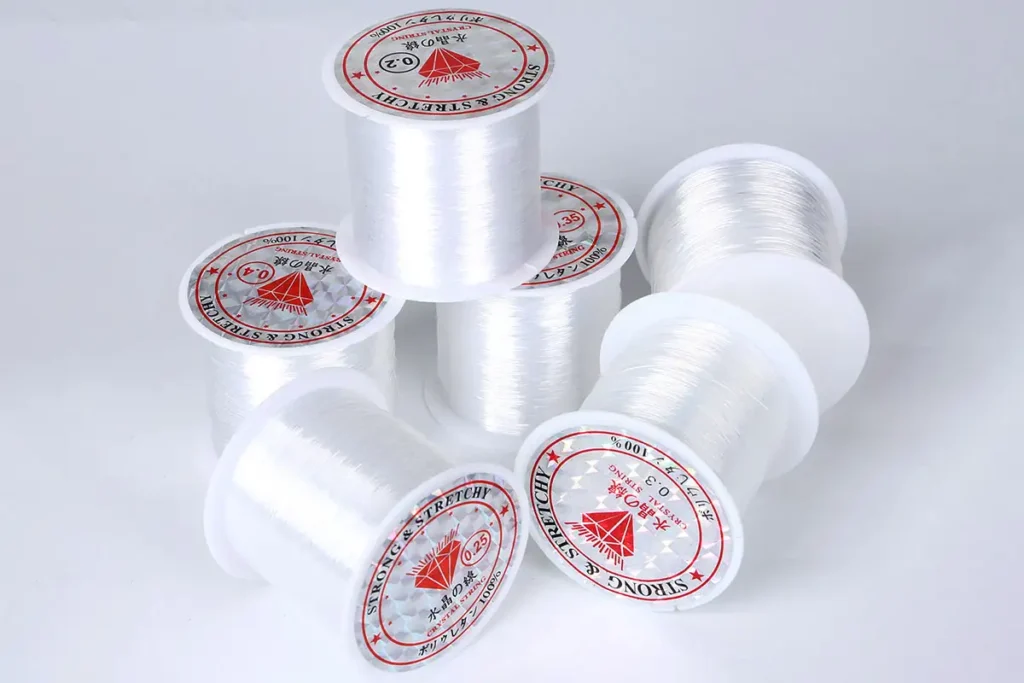
Clear elastic string is one of the most common choices for stretch bracelets because it is simple, clean, and easy to match with many bead colors. Buyers often use it for crystal & stone beads, gemstone beads, glass beads, and light fashion bracelets. Since the string is almost transparent, it does not change the look of the finished piece.
For many simple designs, clear elastic string gives the bracelet a comfortable fit. Customers can put it on without a clasp, which makes it easy for daily wear. When choosing the best string for bead bracelets, clear elastic works well if the beads are not too sharp inside the hole and the bracelet needs a soft stretch feeling.
Best Elastic String Options for Beaded Bracelets
Strong and Stretchy Elastic String for Bracelets
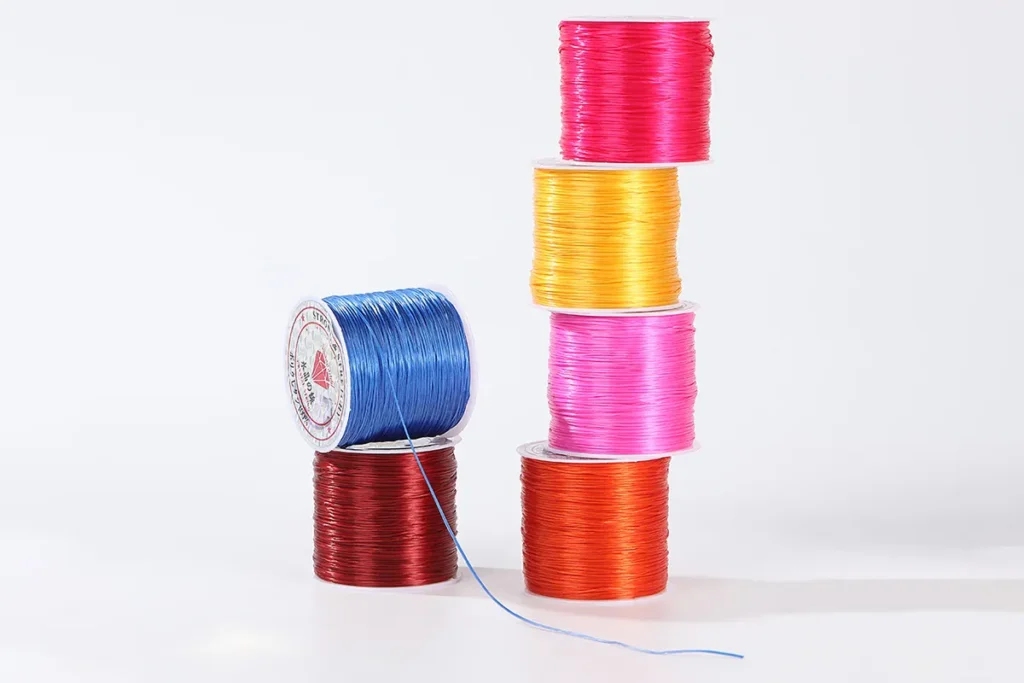
A good elastic cord should stretch smoothly and return to its shape after wearing. If the cord feels weak, loose, or dry, the bracelet may lose shape quickly. For stretch bracelets made with gemstone beads, buyers should not only look at price. The cord must support the bead weight and still feel comfortable on the wrist.
When customers ask for Strong and Stretchy elastic String for bracelets, they usually want fewer breakage problems and better daily wear. In our own bracelet orders, we often choose better elastic cord, such as Japanese imported Lycra, when the buyer wants a softer stretch and cleaner finish. For many stretch styles, this can be the best elastic string for bead bracelets.
What Size Elastic Cord Should I Use?
The size of the elastic cord should match the bead size and the bead hole. Small beads often work better with 0.6mm elastic cord because it passes through narrow holes more easily. For common gemstone bracelets, 0.8mm is a practical choice. Larger beads, such as 10mm or 12mm, may need 1.0mm cord if the bead hole is wide enough.
When choosing the best string for bead bracelets, do not only look at the bead diameter. The hole size is just as important. Some 8mm gemstone beads have small holes, so thick cord may not pass through smoothly. A good supplier should test the cord with the real beads before making bulk bracelets. This helps avoid broken string, tight knots, or wasted production time.
Preparation and Tying for Better Durability
Good elastic cord still needs the right preparation. Before tying, the cord should be stretched gently so the bracelet does not become loose too quickly after wearing. The knot also needs to be firm, clean, and hidden as much as possible. For gemstone bead bracelets, a loose knot can make the whole bracelet feel cheap.
When making bulk orders, small details matter. The cord should not be pulled too hard during production, because this can weaken the stretch. The bead holes should also be checked, especially with natural stone beads. If the inside edge is too sharp, even the best string for bead bracelets may wear down faster than expected. A clean finish helps the bracelet look better and last longer.
Nylon, Crystal Cord, Thread, and Wire: When Elastic Is Not Enough
Nylon String for Bracelets with Better Control
Elastic is useful, but it is not the right choice for every bracelet. Some designs need a firmer hold, especially when the beads are heavier or the buyer wants a cleaner jewelry-style finish. In these cases, Nylon String for Bracelets can give better control than soft stretch cord.
Nylon string does not stretch like elastic, so the bracelet may need a clasp, adjustable knot, or another closing method. For buyers searching for the best string for making beaded bracelets, nylon can be a practical choice when comfort, strength, and a more stable shape matter more than easy stretch.
Crystal Cord for Longer Wear in Some Orders
Crystal cord is another choice we often use for bead bracelets. Compared with elastic cord, it does not stretch as much, so the wearing feeling is different. But in some customer orders, crystal cord can last longer in daily use. This makes it useful for buyers who care more about durability than a strong stretch feeling.
From our own production experience, elastic cord may work well for about 2–3 months in some daily-wear cases, while crystal cord may hold for around 3–5 months. This is not a fixed rule, because bead weight, hole smoothness, and wearing habits all matter. Still, for some buyers, crystal cord can be a better choice when looking for the best string for bead bracelets.
Fireline, Silkon, and Silk Thread for Special Bracelet Styles
Some bracelet styles need thinner and softer thread instead of elastic or crystal cord. Fireline is often used for seed bead work because it is thin, strong, and easier to pass through small bead holes. Silkon thread and silk thread can also be useful for softer designs, especially when the bracelet needs a cleaner and more delicate finish.
These threads are not always the first choice for simple stretch bracelets. They need more careful handling during production, and the final style may require a clasp or special knotting. For buyers comparing the best string for bead bracelets, these options work better for detailed designs, seed beads, pearl-style bracelets, or handmade pieces that need a more refined look.
Memory Wire, Flex-Rite Wire, and Metal Wire for Structured Designs
Some bracelets need shape and structure, not stretch. Memory wire can keep a round form, which makes it useful for wrap bracelets or designs that should stay firm on the wrist. Flex-Rite wire is often used when buyers want a stronger jewelry-style bracelet with a clasp. Metal wire can also create a handmade look for special designs.
These materials are different from elastic cord because they do not give the same soft wearing feeling. They are better for structured pieces, heavier beads, or designs that need a clear shape. When choosing the best string for bead bracelets, buyers should think about how the bracelet will be worn, not only how strong the material sounds.
Matching Bracelet String to Different Bead Types
Best String for Gemstone Bead Bracelets
Gemstone beads are heavier than many craft beads, so the string must hold more weight. Beads such as quartz, jasper, agate, tiger eye, obsidian, and other natural stones can put pressure on the cord during daily wear. A thinner cord may work well for 6mm beads. Larger 8mm, 10mm, or bigger beads usually need better strength.
For many gemstone designs, elastic cord, crystal cord, or nylon string can all work, but the final choice depends on the bead hole and customer needs. If buyers want easy daily wear, elastic is often popular. If they care more about longer use, crystal cord may be better. So the best string for bead bracelets should always match the real bead size, not just the design photo.
Best String for Clay Bead Bracelets
Clay bead bracelets are usually lighter than gemstone bracelets, so they do not always need very thick cord. Many buyers use elastic string for this style because it gives a soft stretch and makes the bracelet easy to wear. For colorful clay beads, clear elastic often works well because it does not affect the color balance of the finished design.
When choosing the best string for clay bead bracelets, buyers should still check the bead hole size. Some clay beads have small holes, and a thick cord may be hard to pass through. For simple stretch styles, elastic cord is usually practical. For designs with charms, letter beads, or mixed materials, the cord should also match the weight of the extra parts.
Best String for Seed Bead Bracelets
Seed bead bracelets need a thinner and more flexible string because the bead holes are very small. Thick elastic cord may not pass through smoothly, and it can make the design look bulky. For this type of bracelet, fine nylon thread, Fireline, or other beading thread can give better control during production.
When buyers look for the best string for seed bead bracelets, they should think about detail, not only strength. Seed bead designs often include patterns, color blocks, names, or small charms. The thread needs to pass through the beads cleanly and sometimes pass through the same bead more than once. For these designs, a thin but strong thread is usually better than heavy elastic cord.
Best String for Pearl and Friendship Bracelets
Pearl bracelets usually need a softer and cleaner finish. For classic pearl-style bracelets, silk thread or nylon thread can be a good choice because it gives the design a smooth and refined look. If the bracelet uses heavier pearl beads or a clasp design, wire may also work better than simple elastic cord.
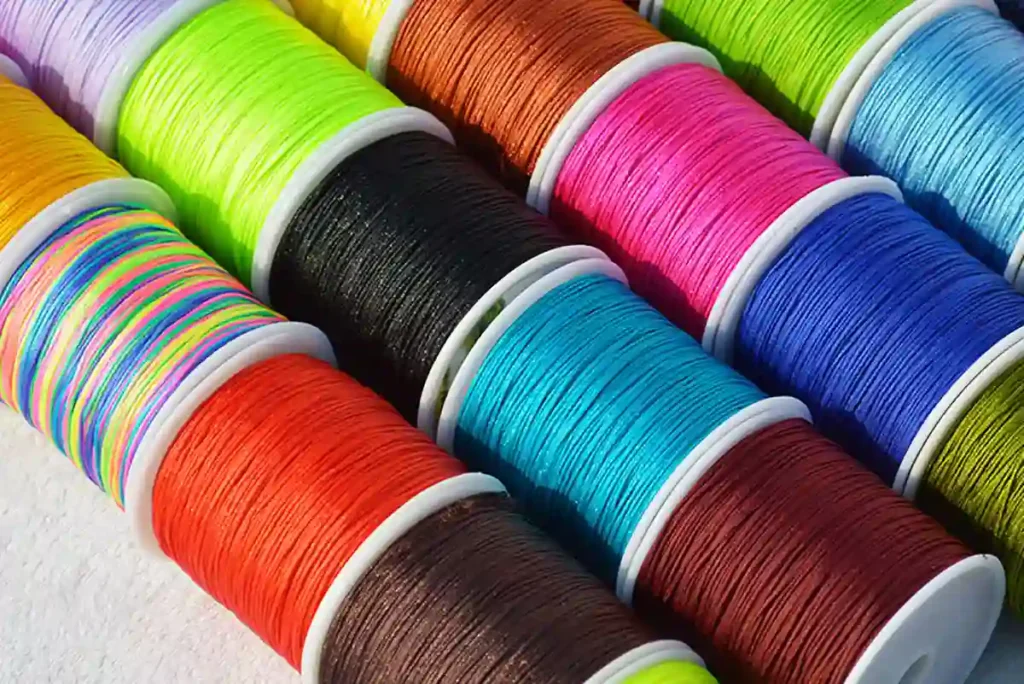
Friendship bracelets are different. They often use cotton cord, hemp cord, microfiber suede cord, or colorful thread because the design is more casual and handmade. For buyers comparing the best string for beaded friendship bracelets, comfort and style matter a lot. The cord should match the bracelet feeling, the customer age group, and the final selling price.
Wholesale Experience: How We Choose Bracelet String for Customer Orders
Elastic Cord vs Crystal Cord in Real Customer Orders
In real wholesale orders, buyers do not always choose the same cord. Some customers like elastic cord because it stretches well and makes the bracelet easy to wear. It is simple, fast, and suitable for many common gemstone bracelet styles. For buyers who sell crystal bracelets in larger quantities, elastic cord is often the first option they ask about.
But elastic cord also has limits. In our experience, some stretch bracelets may wear out faster when customers pull them often or wear them every day. One of our Swiss customers used elastic cord for a long time, but later his customers said the bracelets were easier to break. After that, he changed his orders to crystal cord.
This is why the best string for bead bracelets depends on real use, not only appearance. Elastic cord gives better stretch, while crystal cord may offer longer wear in some orders. For buyers comparing the best string for beaded bracelets, it is better to test both options before placing a large custom order.
Choosing 0.6mm, 0.8mm, or 1.0mm Based on Bead Size
Cord size should follow the bead size, bead hole, and bracelet weight. Small beads usually work better with 0.6mm cord because it can pass through narrow holes more easily. For many 6mm or 8mm gemstone bracelets, 0.8mm cord is a common choice. Larger beads may need 1.0mm cord if the hole is wide enough.
In bulk production, this small detail saves time and reduces mistakes. If the cord is too thick, workers may struggle to pass it through the beads. If the cord is too thin, the bracelet may not feel strong enough. When we help customers choose the best string for bead bracelets, we always check the real bead hole before confirming the cord size.
For heavier gemstone bracelets, buyers often want a stronger feel. But strength does not only come from thickness. The cord quality, knot method, bead hole smoothness, and finished bracelet tension all matter. That is why the best bracelet string for beads should be chosen after testing, not only by looking at a size chart.
Matching Cord Color with Bead Color for Custom Orders
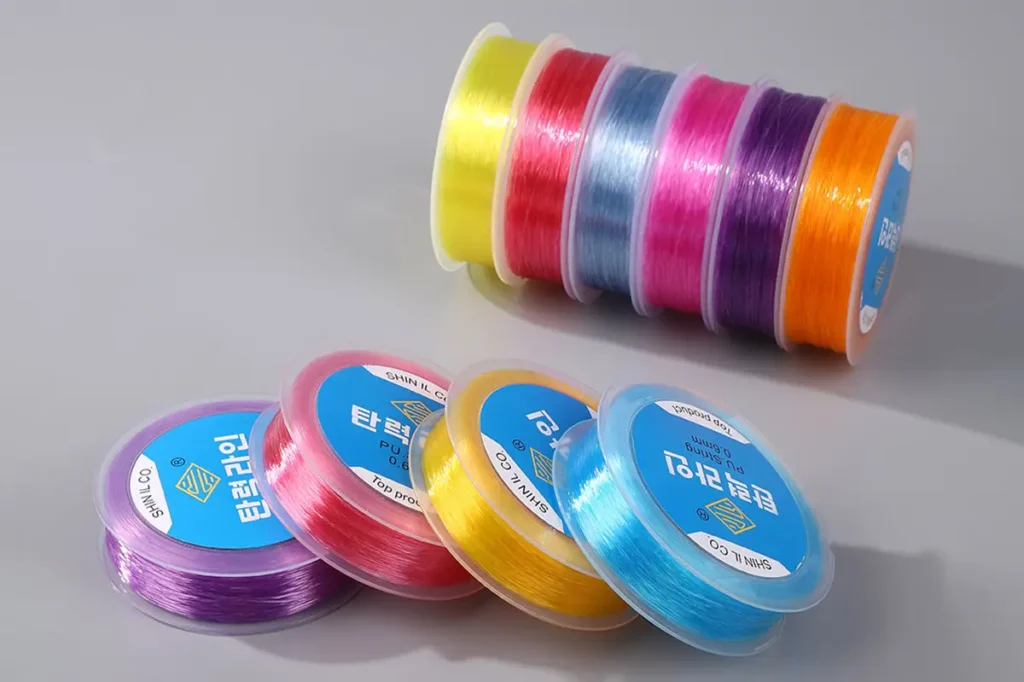
Some custom buyers care about more than strength. They also want the cord color to match the beads. For example, light-colored beads may need clear or white cord, while darker beads may look better with black, brown, or deep-colored string. This small detail can make the bracelet look cleaner and more finished.
One of our UK customers has worked with us for several years. She often asks us to match different bead colors with different cord colors. We follow her requirements for each order because her designs need a consistent look. This kind of service is important for buyers who sell custom bracelets or branded handmade-style jewelry.
When choosing the best string for bead bracelets, color can also affect the final appearance. A strong cord is important, but if the color looks wrong through the bead hole or near the knot, the bracelet may feel less professional. For custom wholesale orders, we can adjust the string type, string size, and string color based on the buyer’s real design.
Quality Control Before Bulk Bracelet Production
Before making a large bracelet order, the string should be checked together with the beads. Natural stone beads can have different hole sizes, and some holes may feel rough inside. If the edge is sharp, it can slowly cut the cord during daily wear. This is one reason why even good string may break if the beads are not checked first.
For bulk orders, we usually pay attention to cord strength, stretch, knot position, and the finished wrist feel. The bracelet should not be too tight, too loose, or too stiff. A clean knot also matters because customers can notice poor finishing very quickly. When buyers want the best string for bead bracelets, quality control should be part of the decision.
Good production is not only about choosing expensive material. It is about matching the right cord with the right beads, then checking the finished bracelet before shipment. This helps reduce after-sale problems and makes the buyer feel more confident when ordering again. For many wholesale buyers, stable quality is more important than saving a very small cost on string.
Need Help Choosing Bracelet String for Your Bulk Order?
If you are not sure which cord to use, you can send us your bead size, bead hole, bracelet style, target price, and order quantity. We can help you compare elastic cord, crystal cord, nylon string, wire, or color-matched string before production.
For custom bracelet orders, you can contact us by WhatsApp or send details through the inquiry form. This helps us suggest the best string for bead bracelets based on your real beads, not just a general guess.
How to Choose the Best String for Your Bracelet Order
Start with Bead Weight, Hole Size, and Bracelet Style
Before choosing string, buyers should first look at the beads themselves. Heavy gemstone beads need stronger support than light clay beads or small seed beads. The bead hole also matters because some holes are too narrow for thick elastic or nylon cord. If the string cannot pass through smoothly, production becomes slow and the finished bracelet may not look clean.
Bracelet style is another key point. A stretch bracelet needs elastic or crystal cord, while a clasp bracelet may need nylon string, wire, or thread. When buyers ask about the best string for bead bracelets, we usually check bead size, hole size, bracelet weight, and wearing style before giving a suggestion. This makes the choice more practical for bulk orders.
Choose Comfort and Durability Together
A bracelet should not only be strong. It also needs to feel comfortable on the wrist. If the string is too stiff, the bracelet may feel tight or unnatural. If the string is too thin, it may stretch out, break faster, or fail to support heavier beads. Buyers need to balance comfort, strength, and cost.
For many orders, the best string for bead bracelets is the one that fits the customer’s daily use. A fashion bracelet may need soft stretch and easy wearing. A heavier gemstone bracelet may need stronger cord and better knot control. The right choice should help the bracelet look good, feel good, and reduce problems after selling.
Common Mistakes Buyers Should Avoid
One common mistake is choosing bracelet string only by price. A cheaper cord may look fine at first, but it can create problems after customers wear the bracelet for a short time. For wholesale buyers, a small saving on string may lead to complaints, returns, or lower repeat orders later.
Another mistake is using the same cord for every bead type. Clay beads, gemstone beads, seed beads, and pearl-style beads all have different needs. When choosing the best string for bead bracelets, buyers should also check bead hole smoothness, knot strength, and bracelet tension before confirming bulk production. Testing first is always safer than guessing.
FAQ About Bracelet String for Beads
What string is best for beaded bracelets?
The best choice depends on the beads and the bracelet style. For simple stretch bracelets, elastic cord is often the easiest option because customers can wear it without a clasp. For heavier gemstone beads, crystal cord or nylon string may be better if the buyer wants a firmer and more durable feel.
When choosing the best string for bead bracelets, buyers should check bead weight, bead hole size, and daily wearing habits. A light clay bead bracelet and a heavy 10mm stone bracelet should not always use the same string.
What is the strongest elastic for bead bracelets?
A strong elastic cord should stretch smoothly, return to shape, and hold the bead weight without feeling weak. In our own bracelet orders, Japanese imported Lycra is one of the better elastic choices because it gives a soft stretch and a cleaner finished feel. It works well for many common gemstone stretch bracelets.
However, strength does not only come from the cord itself. The bead hole must be smooth, the knot must be secure, and the bracelet should not be pulled too tightly during production. Even the best string for bead bracelets needs good finishing to last longer.
What is the best string for pearl bracelets?
Pearl bracelets usually need a soft, clean, and elegant finish. For classic pearl designs, silk thread is a common choice because it gives the bracelet a smooth look. Nylon thread can also work well when the buyer wants more strength and easier production. If the design uses heavier pearl beads with a clasp, wire may be a better option.
For stretch pearl bracelets, elastic cord can be used if the bead holes are suitable. But buyers should not only follow the look of the design. The string should match the pearl size, bracelet structure, and final selling market.
What thread do you use for bead bracelets?
For bead bracelets, the thread depends on the bead type and the finished style. Elastic cord is common for stretch bracelets. Nylon string can work well when buyers want more control and a firmer shape. Fireline or fine beading thread is better for seed beads because it can pass through small holes more easily.
Some designs may also use silk thread, crystal cord, or wire. When choosing the best string for bead bracelets, buyers should not only ask what thread is popular. They should also check bead size, bead hole, bracelet weight, and whether the finished bracelet needs stretch, clasp, or a handmade-style knot.
What type of string is most durable for jewelry?
There is no single string that is always the most durable for every jewelry design. Structured bracelets with clasps may need wire or strong nylon string for better support. Fireline or fine beading thread can work well for seed bead designs. Simple stretch bracelets often use high-quality elastic cord because it is convenient, but daily pulling may make it wear faster.
For many bead bracelets, crystal cord can also be a practical choice when buyers want longer wear and less stretch. The best string for bead bracelets should match the bead weight, bead hole, knot style, and how the final customer will wear it. Durability comes from both the material and the production details.
Conclusion: Choose Bracelet String Based on Real Use, Not Guesswork
The right bracelet string should be chosen by real use, not by habit or guesswork. A light clay bead bracelet, a small seed bead bracelet, and a heavy gemstone bracelet may all need different materials. Elastic cord, crystal cord, nylon string, silk thread, Fireline, wire, cotton cord, hemp cord, suede cord, and leather cord each have their own place.
For many buyers, the best string for bead bracelets is the one that matches bead size, bead weight, bead hole, wearing comfort, and target price. Elastic cord is easy to wear and works well for many stretch bracelets. Crystal cord may be better for some buyers who care more about longer use. Nylon string and wire can give more control for structured designs.
If you are comparing the best string for beaded bracelets, do not only ask which cord is strongest. A strong cord can still fail if the bead holes are sharp or the knot is poorly made. A softer cord can work well if the beads are light and the design is simple. Testing before bulk production is always safer than choosing only from a name or photo.
For custom bracelet orders, buyers can send the bead size, bead hole, bracelet style, quantity, and target market before production. We can help suggest the best bracelet string for beads, including elastic cord, crystal cord, nylon string, wire, or color-matched cord. This makes the finished bracelet more suitable for real selling, not just sample photos.
If you need help choosing the best string to use for beaded bracelets, contact us through WhatsApp or send your details through the inquiry form. We can check your design requirements and recommend a practical string option for your next bulk bracelet order.
Disclaimer
The information above is based on our bracelet production experience and general material knowledge. Different string types may perform differently depending on bead size, bead hole smoothness, bracelet weight, wearing habits, and production method. This guide is for reference only and does not guarantee the same result for every bracelet. For bulk orders, we always suggest testing the string with real beads before final production.