
Wholesale Sourcing Guide: What Does Lapis Lazuli Look Like?
Written by: Rocrystal Sourcing & QC Team, Last updated: May 23, 2026
Introduction to Lapis Lazuli Gemstones
Bulk gemstone buyers constantly seek materials that capture immediate consumer attention while maintaining steady market demand. The deep blue tones of high-quality rocks remain a premium choice for global commercial supply chains. Volume distributors prioritize steady supply networks that can provide consistent mineral quality for large-scale manufacturing operations. Understanding the raw visual characteristics of these materials helps procurement officers make informed inventory selections that maximize profit margins.
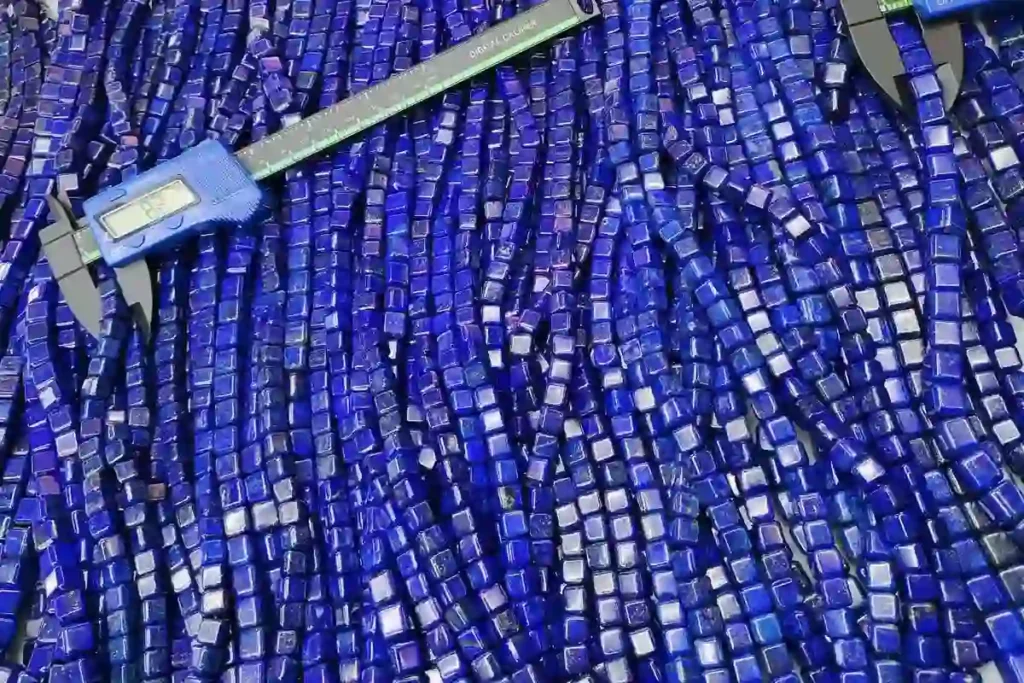
When sourcing these materials, wholesale importers frequently ask: what does lapis lazuli look like? In its premium natural form, this material exhibits a rich, deep royal blue color that immediately sets it apart from lower-grade stone options. Golden flecks scattered across the surface create a beautiful celestial pattern that jewelry manufacturers highly value for mass production. This distinct appearance helps retail consumers easily recognize the stone, making it a highly profitable asset for bulk distribution networks.
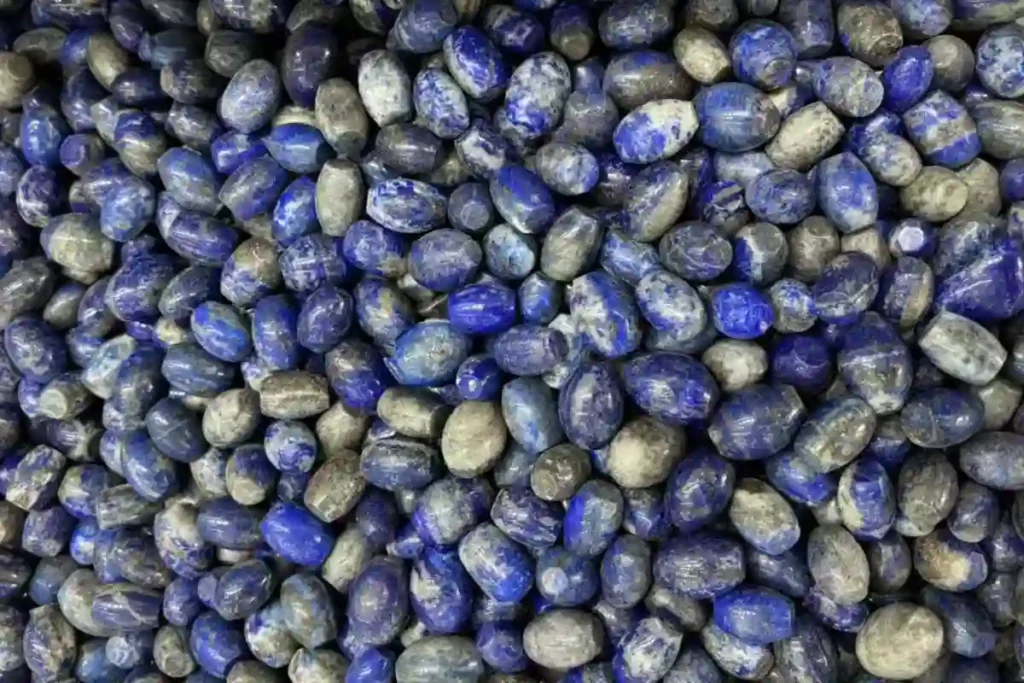
Experienced purchasing managers must evaluate thousands of carats, meaning they must know exactly what does a lapis lazuli look like across various quality tiers. The natural material presents a complex aggregate structure rather than a uniform, single-toned surface. Flecks of iron pyrite and veins of white calcite create distinct structural patterns that define individual sorting grades. Recognizing these visual variations ensures that B2B buyers pay accurate prices and avoid low-quality market imitations.
What Is Lapis Lazuli? Composition and Physical Properties
The Mineral Matrix (Lazurite, Pyrite, and Calcite)
Many commercial buyers do not realize that this material is an aggregate rock rather than a single mineral component. The unique appearance depends entirely on a complex geological blend of multiple distinct mineral species. A proper balance of these components determines the ultimate durability and market value of the bulk cargo.
When analyzing what does blue lapis lazuli look like, the dominant presence of lazurite provides the deep, signature royal blue background matrix. Premium mineral lots typically contain high percentages of lazurite, which creates the intense coloration that commands top tier pricing in B2B circles.
Beside lazurite, sparkling golden specks of pyrite and dull white streaks of calcite naturally interlock within the same solid stone matrix. On the Mohs hardness scale, this composite material rates between 5 and 5.5, which requires specialized cutting techniques during factory production.
How Lapis Lazuli Forms
Geological formation requires specific contact metamorphism zones where hot magma cooks ancient limestone or dolomite deposits over millions of years. This intense thermal process alters the original sedimentary layers, combining loose chemical elements into dense, rich crystalline structures.
During this metamorphic transformation, sulfur enters the chemical framework, which directly gives the primary lazurite mineral its bright blue color. Small amounts of iron and carbonate materials crystallize simultaneously, embedding the distinctive pyrite flecks and calcite veins deep within the forming rock.
Different mining locations experience slight variations in underground pressure and cooling speeds, which directly alters the grain density of the final rock. These regional differences create distinct structural variations that global supply experts can easily recognize when inspecting large wholesale lots.
B2B Sourcing Inventory & Quotation Request
Looking to secure high-grade gemstone lots for your production line? We supply calibrated cabochons, massive carving blocks, and premium bead strands directly from our partner cutting facilities.
Contact our B2B Sales Team via WhatsApp right now to receive a live stock video, or submit your specific size and grading requirements through our official Bulk Inquiry Form. We provide rapid customs-ready freight quotes for international volume buyers.
Please review these opening sections. If the word counts, keyword placements, and style meet your precise requirements, please reply with “Proceed” and I will instantly generate the next sections covering quality evaluation (the 4Cs) and geographic origins!
Evaluating Quality: The 4Cs of Wholesale Lapis Lazuli
Color – From Royal Intense Blue to Dull Denim
The primary pricing benchmark for volume gemstone orders relies almost entirely on the surface pigmentation accuracy. Commercial buyers prioritize intense, saturated shades that retain their vibrant character under different lightning conditions. When evaluating premium mineral shipments, sorting teams immediately separate the stones into distinct color classifications based on visual depth. Selecting the correct hue standard ensures that your final jewelry products meet high consumer expectations.
When international buying teams ask what color lapis is most valuable, industry experts always point toward a uniform, deep royal blue or intense violet-blue shade. Material featuring this premium coloration contains minimal trace matrix inclusions, allowing the pure lazurite component to dominate the entire rock body. Lower quality tiers drop significantly in price as the material shifts toward dull denim shades or displays noticeable greenish undertones.
Bulk inventory containing mottled or patchy color distribution typically serves lower-end fashion accessory markets. Large manufacturing plants often purchase these secondary grades for high-volume bead production or promotional accessory lines. Maintaining a clear understanding of these color distinctions allows wholesale importers to negotiate better bulk pricing structures during seasonal procurement contracts.
Clarity – Calcite Inclusions vs. Golden Pyrite Flecks
Clarity in aggregate materials refers to the distribution and balance of naturally occurring secondary mineral inclusions. Perfect uniformity does not exist in nature, meaning volume buyers must evaluate how these internal matrices alter the overall appearance. Experienced sorting technicians classify incoming rough stone lots by measuring the percentage of foreign mineral contamination.
When assessing wholesale cargo quality, understanding what does lapis lazuli look like in standard commercial grading is highly essential. High-grade material balances the intense blue base with a light dusting of golden iron pyrite crystals. Excessive contamination from white calcite streaks reduces the structural beauty and lowers the overall market value of the batch.
Importers often choose material with specific inclusion patterns depending on their regional consumer preferences. Some luxury jewelry brands prefer clean blue fields with subtle golden flecks that mimic a starlit night sky. Conversely, budget fashion manufacturers accept heavy calcite veining because it lowers the raw material acquisition costs significantly.
Cut – Cabochons, Massive Carvings, and B2B Bead Sourcing
Transforming raw boulders into commercial products requires specific lapidary cutting decisions that maximize yield and enhance visual appeal. Skilled cutting factories plan their production schedules to reduce material waste while highlighting the most vibrant blue sections. The selection of the final gemstone shape depends directly on the natural structural integrity of the rough rock batch.
Standard calibrated cabochons dominate the high-end jewelry manufacturing sector because they fit easily into pre-cast metal settings. Slicing the material into smooth, domed shapes accentuates the golden pyrite flecks and hides minor internal fractures. Bulk bead production requires consistent tumbling and polishing machinery to achieve uniform spherical sizing across large ordering quantities.
Massive carving blocks represent another vital product category for international interior design and corporate gifting distributors. Large artisans select solid, dense rock segments that can withstand heavy impact tools without splitting along natural hidden fault lines. Providing diverse cutting options allows wholesale supply chains to cater to multiple commercial manufacturing sectors simultaneously.
Carat Weight – Pricing Massive Blocks vs. Calibrated Gemstones
Pricing structures in the volume gemstone trade vary drastically depending on whether the material is processed or raw. Small jewelry components follow strict per-carat valuation metrics because precise calibration requires significant factory labor and sorting time. Large industrial buyers must understand how weight accumulation alters the total financial investment needed for bulk imports.
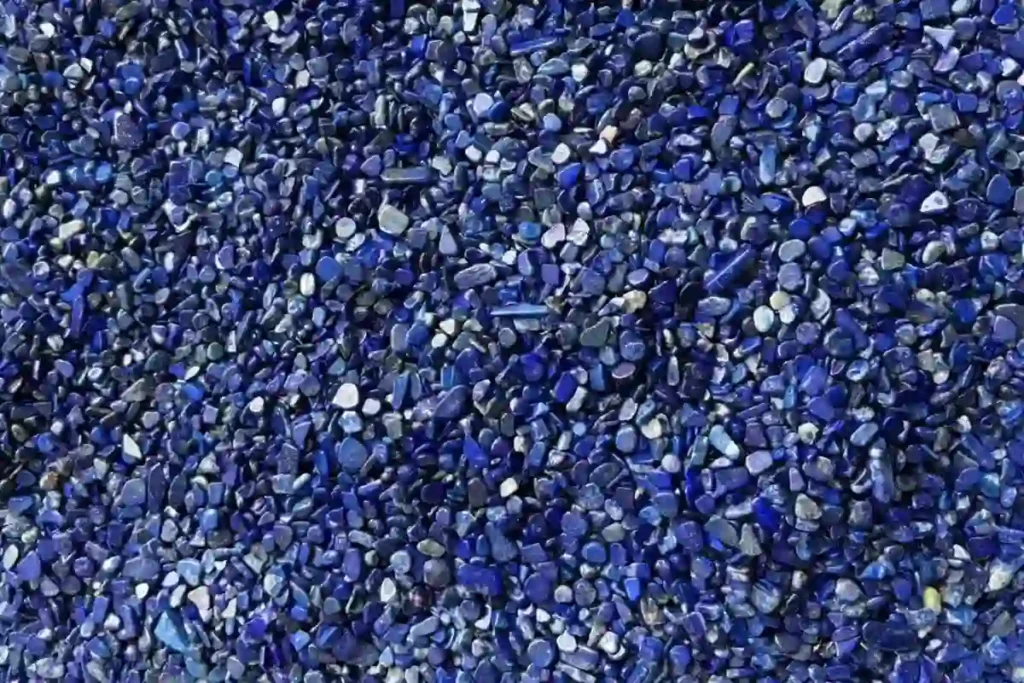
When examining massive raw blocks, knowing what does lapis lazuli look like in its unpolished state prevents costly overpayment errors. B2B transactions for rough boulders usually utilize per-kilogram pricing models rather than individual carat weight calculations. The price per unit increases exponentially when a single massive block exhibits premium color continuity throughout its entire core.
Calibrated finished gemstones command a premium wholesale price because the factory absorbs all the material loss during the trimming process. Distributors must balance their inventories by stocking both light, high-value jewelry pieces and heavy decorative carving stones. This balanced purchasing strategy ensures steady profit margins across your entire commercial supply chain.
Origin and Provenance: Major Sourcing Localities
Afghanistan – The Legendary Badakhshan Mines
The historic benchmark for premium blue rocks stems directly from the rugged, remote mountain ranges of central Asia. For thousands of years, specific high-altitude deposits have yielded the finest specimens ever documented in the gemological world. Global procurement networks view this traditional source as the ultimate standard for authentic, high-value commercial supply.
When businesses investigate where does lapis lazuli come from, the famous mines of Badakhshan in Afghanistan remain the definitive answer. These ancient underground tunnels produce material with an incredibly dense crystalline structure and unparalleled royal blue color saturation. The exceptional purity of this material makes it the most sought-after origin for luxury jewelry designers.
Sourcing directly from these mountain operations requires established logistics connections and deep familiarity with regional cross-border trading regulations. Geopolitical factors often restrict the steady flow of these premium shipments, creating periods of market scarcity that drive up global prices. Securing a reliable supply line from this legendary region offers a significant competitive advantage for volume distributors.
Alternative Global Deposits (Chile, Russia, and Beyond)
Global gemstone buyers must diversify their supply networks by utilizing alternative geographical deposits located across different continents. Relying on multiple extraction regions protects your commercial business from sudden local supply chain disruptions and unexpected price inflation. Each secondary mining locality offers distinct material characteristics that appeal to specific market segments.
When looking at where is lapis lazuli found outside of Asia, the Andes Mountains in Chile represent a major commercial source. Chilean material generally displays a lighter, pastel blue hue with high percentages of white calcite veining distributed throughout the stone. This abundant supply is highly ideal for manufacturing cost-effective fashion jewelry lines and large decorative items.
Siberian deposits in Russia provide another distinct variety that features dark blue coloration mixed with unique greyish matrix patterns. Understanding these regional visual differences allows wholesale importers to determine if lapis lazuli rare standards apply to a specific batch. Offering materials from diverse origins helps businesses satisfy a wider range of commercial budgetary requirements.
Factory-Level Insights: Grading, Treatments, and Honest Disclosures
Many wholesale stone buyers begin their purchasing journeys without knowing the hidden realities of the processing factory floor. My first major encounter with this material happened while sourcing items for the seven chakras market segment. Our purchasing team quickly learned a costly lesson when international corporate clients reported severe fading issues on their ordered items. The underlying stone was actually cheap granite that factories had heavily treated with artificial blue dyes.
That initial setback forced our team to dive deeper into the multi-tiered grading systems used by major processing facilities. True market valuation varies drastically depending on the exact ratio of natural mineral inclusions visible on the surface. Low-grade bulk material displays large areas of white calcite contamination, which drastically reduces the commercial appeal of the batch. Premium collector material features high blue saturation mixed with a bright, balanced dusting of golden pyrite flecks.
When handling large-scale production orders for massive pendants or animal carvings, unoptimized raw material rarely looks perfectly uniform. Large natural boulders almost always contain massive, unsightly white calcite patches that disrupt the beautiful blue field. Because of this natural aesthetic issue, factories almost universally apply color optimization treatments to large decorative objects. This industrial dyeing process ensures a deep, attractive blue finish that commercial volume buyers expect.
Some marketing channels claim incredible physical transformations when describing various lapis lazuli benefits to retail consumers. As an experienced supply partner, our firm focuses strictly on verifiable physical quality metrics rather than unscientific spiritual claims. We acknowledge the historic role of these stones in traditional meditation practices and holistic chakra alignment products. However, we always advise commercial clients to market these items based on documented craftsmanship and aesthetic value.
Identifying Authenticity: Real vs. Fake Lapis Lazuli
Distinctive Visual Features of Genuine Material
Volume purchasers must train their inspection teams to recognize specific micro-features that separating authentic stone shipments from synthetic fabrications. When buyers ask what does real lapis lazuli look like during quality control checks, they must look for natural imperfection patterns. Genuine material displays an irregular combination of deep blue zones, golden pyrite inclusions, and fine white calcite veins. These elements interlock randomly because they formed deep underground over millions of years.
Synthetic imitations often feature perfectly uniform coloring or unnaturally symmetrical golden speckles distributed across the surface material. True iron pyrite inclusions possess a distinct metallic luster that reflects light sharply when rotated under strong factory lamps. White calcite lines should look like organic structural veins rather than painted surface markings or printed geometric designs. Carefully verifying these natural mineral variations helps procurement officers confirm exactly what does lapis lazuli look like in its premium state.
Recognizing Common Imitations
The global marketplace contains numerous clever imitations designed to deceive inexperienced supply chain managers looking for cheap cargo options. Unscrupulous producers frequently use dyed howlite or inexpensive magnesite to mimic the classic appearance of high-value blue stones. These minerals accept blue dye easily because they possess highly porous crystalline structures before treatment. Spotting these fakes requires checking for dark grey dye accumulation inside the natural surface fractures.
Other suppliers utilize natural sodalite or cheap synthetic glass and resin mixtures to create massive counterfeit batches. To understand this contrast, consider what does lapis lazuli look like in minecraft compared to real life. The famous video game presents uniform blue blocks with evenly spaced pixelated gold particles. While that clean digital pattern works perfectly on screen, discovering a completely uniform stone in real life indicates a fake product.
Practical Verification Tests for Importers
Implementing a multi-step quality control protocol at your receiving warehouse prevents costly inventory errors before distribution takes place. A simple acetone rub test serves as your first line of defense against dyed stone imitations. Technicians wipe a white cotton swab dipped in pure acetone across the surface of the random sample. If the cotton tip absorbs any blue coloration, the factory has treated the batch with cheap surface dyes.
A reliable temperature check provides another quick indication of authenticity without damaging the commercial sample material. Natural aggregate rocks feel distinctly cool to the touch and absorb body heat slowly when held tightly. Plastic and resin imitations feel warm immediately and lack the heavy weight associated with authentic crystalline structures. Utilizing digital scale equipment allows inspectors to verify the high density of your incoming gemstone shipments.
Tips for Buying Genuine Lapis Lazuli
Securing authentic inventory requires establishing transparent relationships with verified cutting facilities that provide clear material disclosures. Volume buyers should request detailed raw material origin tracking documents before approving large financial wire transfers. Avoid purchasing large gemstone lots that feature suspiciously low prices far below standard international market averages. When dealing with high-value collector items, always hire an independent gemological laboratory to inspect the cargo.
Commercial Uses: Jewelry, Decorative Arts, and Modern Demand
Modern Volume Applications
Modern commercial manufacturing plants convert massive amounts of rough material into a diverse range of consumer products every single year. High-end fashion brands require millions of small, calibrated cabochons to populate their seasonal sterling silver jewelry collections. Bead rolling factories process massive tons of mid-grade material to satisfy the endless global demand for stretch bracelets and statement necklaces. Providing a steady stream of these versatile components helps international supply partners secure highly profitable, multi-year supply contracts.
Large corporate entities and luxury hospitality developers represent another expanding market for premium decorative items. Interior designers frequently source massive polished slabs to create custom furniture inlays, luxury countertops, and high-end executive gifts. Artisan cutting shops utilize advanced computerized milling machines to carve intricate statues, decorative bowls, and geometric architectural elements. This diverse commercial utilization ensures that every extracted grade of rough material finds a profitable destination in the global marketplace.
Safe Handling and Processing Metrics
Industrial lapidary facilities must enforce strict workspace safety parameters when processing large shipments of raw aggregate minerals. A common question that arises among wholesale factory managers is: is lapis lazuli toxic during the cutting and polishing stages? The finished, polished stone remains completely safe and non-toxic for consumers to wear or handle in daily life. However, factory workers face specific health hazards during the raw mechanical shaping process.
The natural presence of iron pyrite inclusions means that the dust contains significant amounts of sulfur and silica particles. Inhaling these airborne mineral particles during dry cutting operations can cause serious respiratory irritation and long-term lung damage. Manufacturing plants must utilize high-volume water cooling systems to suppress fine dust particles and keep cutting blades cool. Enforcing the use of professional dust masks and proper ventilation systems ensures a completely safe workplace environment.
History and Mythological Significance
Ancient civilizations regarded this striking blue mineral as a sacred bridge between the physical world and the heavenly realms. Archaeological excavations in Mesopotamia reveal that royal rulers utilized the stone to craft intricate cylinder seals and royal jewelry items. Cuneiform tablets describe the material as the ultimate symbol of divine power, often associating its deep color with the gods. Elite families placed these blue treasures into royal tombs to guarantee safe passage into the afterlife.
In ancient Egypt, pharaohs valued the material above precious metals because it symbolized the star-filled night sky. High priests carved the iconic eye of Horus amulets from fine blue rough to protect the living from evil spirits. The famous funeral mask of King Tutankhamun features genuine blue stone inlays accentuating the eyes and eyebrows. This deep historical reverence created an enduring legacy of luxury that continues to influence modern consumer buying preferences today.
During the European Renaissance, the material completely transformed the art world through the creation of ultra-premium paint pigments. Master artists ground high-grade raw stones into a fine powder to produce genuine ultramarine blue paint. This legendary pigment cost more than pure gold and was reserved exclusively for painting the robes of sacred figures. The brilliant, lightfast color resisted fading over centuries, allowing historic chapel frescoes to retain their deep visual impact.
B2B Sourcing FAQ
What does lapis lazuli look like in real life?
In real life, the material presents an opaque, variegated surface featuring a deep royal blue background matrix. It lacks the perfect, glass-like transparency of sapphires, displaying natural variations in color saturation instead. Golden flecks of iron pyrite and white veins of calcite form unique, irregular patterns across every piece.
Did Michelangelo use lapis lazuli?
Yes, Michelangelo used premium ultramarine pigment derived from ground blue stones to paint the Sistine Chapel frescoes. He applied this highly expensive pigment to create the brilliant, enduring skies in his masterpiece artwork. This historical artistic connection continues to elevate the prestige of the material among modern luxury collectors.
How to tell if lapis lazuli is genuine?
Genuine material feels noticeably cool to the touch and features irregular, embedded golden pyrite inclusions. A reliable factory-level test involves rubbing a small sample with an acetone-soaked cotton swab to check for artificial color bleeding. Synthetic imitations often show unnaturally perfect color uniformity or bleed blue dye during testing.
How much is real lapis worth?
The wholesale value fluctuates drastically based on color purity, origin, and the presence of white calcite streaks. Low-grade commercial material containing heavy white patches costs very little per kilogram in bulk formats. Conversely, premium Afghan material featuring pure intense blue fields and clean golden flecks commands top-tier per-gram pricing.
Is lapis rarer than diamonds?
While gem-quality diamonds have tightly controlled global supply networks, top-grade intense blue material is geologically quite rare. True premium deposits that yield completely uniform, calcite-free royal blue blocks face dwindling reserves worldwide. This localized geographic scarcity makes high-grade extraction lots highly valuable to specialized gemstone procurement agencies.
Conclusion & Strategic Sourcing Summary
Navigating the volume gemstone market requires a deep understanding of natural material variations, regional origins, and factory processing methods. Global purchasing managers must look past superficial aesthetic marketing claims and focus heavily on structural grading parameters. Success in volume distribution depends on partnering with cutting facilities that provide transparent disclosures regarding color optimization practices. Balancing raw acquisition costs with true material quality allows your business to sustain competitive advantages over long-term market cycles.
Maintaining a diversified inventory that includes both premium calibrated jewelry stones and affordable decorative items satisfies multiple commercial client tiers. Implement strict incoming quality control checks, such as chemical rub tests, to protect your supply chain from counterfeit materials. As global demand for authentic, historic gemstones continues to rise, securing reliable mineral sources guarantees consistent manufacturing output. Trustworthy sourcing strategies ensure that your wholesale organization remains a preferred partner for international jewelry brands.
Bulk Ordering, Custom Cutting, and WhatsApp Contact
Ready to optimize your commercial gemstone inventory with certified material? Our partner lapidary facilities provide volume container shipping, customized calibrated cutting services, and strict factory quality control reporting.
Connect directly with our Wholesale Sourcing Directors on WhatsApp right now to view real-time factory videos, or complete our comprehensive Bulk Inquiry Form to request custom pricing matrices for your upcoming manufacturing run.
Disclaimer: The technical specifications, grading metrics, and mineralogical information provided on this website are intended exclusively for commercial B2B procurement and wholesale educational purposes. While we supply high-quality natural minerals and accurately disclose factory optimization treatments, gemstone characteristics may naturally vary across bulk production batches. Furthermore, any historical, cultural, or traditional references to mineral properties are provided for narrative context only. We explicitly do not endorse, guarantee, or imply any scientific, metaphysical, or therapeutic healing benefits from handling or purchasing our products.