
Pink Tourmaline Meaning: Benefits, Spiritual Properties, Jewelry, and Buying Guide
Written by: Rocrystal Sourcing & QC Team, Last updated: July 29, 2026
Pink tourmaline meaning is commonly connected with love, emotional balance, compassion, and self-acceptance. Its soft pink color gives it a gentle appeal, while its natural variations make every stone look slightly different. Many people choose pink tourmaline for jewelry, meditation, or personal reflection. These meanings come from cultural traditions and modern crystal practices, so they should be viewed as symbolic beliefs rather than proven medical effects.
Beyond its symbolic meaning, pink tourmaline is also valued for its color and versatility in jewelry. It appears in rings, bracelets, necklaces, earrings, pendants, and loose beads for custom designs. Pale blush stones suit soft, romantic styles, while deeper rose tones create a stronger visual focus. Buyers may choose transparent gems for fine jewelry or included material for more natural-looking pieces and bead collections.
This guide explains how pink tourmaline forms, what its color may symbolize, and why people connect it with emotional and spiritual themes. It also covers birthstone associations, jewelry styles, crystal pairings, care methods, quality differences, and practical buying points. For wholesale buyers, the later sections will also explain how color matching, inclusions, bead size, and market positioning can affect product selection and repeat orders.
What Is Pink Tourmaline?
Pink tourmaline is a natural gemstone from the tourmaline mineral family. Its color ranges from pale blush and soft rose to deeper pink, reddish-pink, and slightly purple tones. Some stones appear clear and bright, while others contain visible lines, clouds, or internal inclusions. These natural differences affect the stone’s appearance, value, and suitability for different types of jewelry.
A Pink Variety of Tourmaline
Pink tourmaline belongs to a broad mineral group that includes many colors, such as green, blue, black, and multicolored varieties. Its pink color can appear light and delicate or rich and vivid, depending on the stone’s natural composition. Some pieces show even color, while others contain lighter zones or subtle shifts in tone. These variations are normal and often add character to finished jewelry.
Transparent pink tourmaline is often used in faceted rings, earrings, and pendants because it allows more light to pass through the stone. Semi-transparent or visibly included material is more common in beads, cabochons, and natural-style jewelry. A clear stone is not always the best choice for every customer. The right option depends on the design, target price, expected quality level, and the look the buyer wants to achieve.
Pink Tourmaline vs. Red Tourmaline
The color ranges of pink and red tourmaline often overlap, so the difference is not always clear. Softer blush, rose, or raspberry tones are generally described as pink tourmaline, while red tourmaline usually has stronger red saturation. However, sellers may use different names for stones with similar colors. Buyers should therefore compare actual photos, videos, and samples instead of relying only on the color name provided by a supplier.
Some intensely colored red or reddish-pink tourmaline may be sold as rubellite, but not every dark pink stone fits that description. Rubellite usually refers to material with a rich, stable red tone under different lighting conditions. Since trade names can be used inconsistently, buyers should focus on color accuracy, clarity, treatment disclosure, and the stone’s actual appearance rather than assuming that a premium name always guarantees higher quality.
How Pink Tourmaline Forms and Where It Comes From
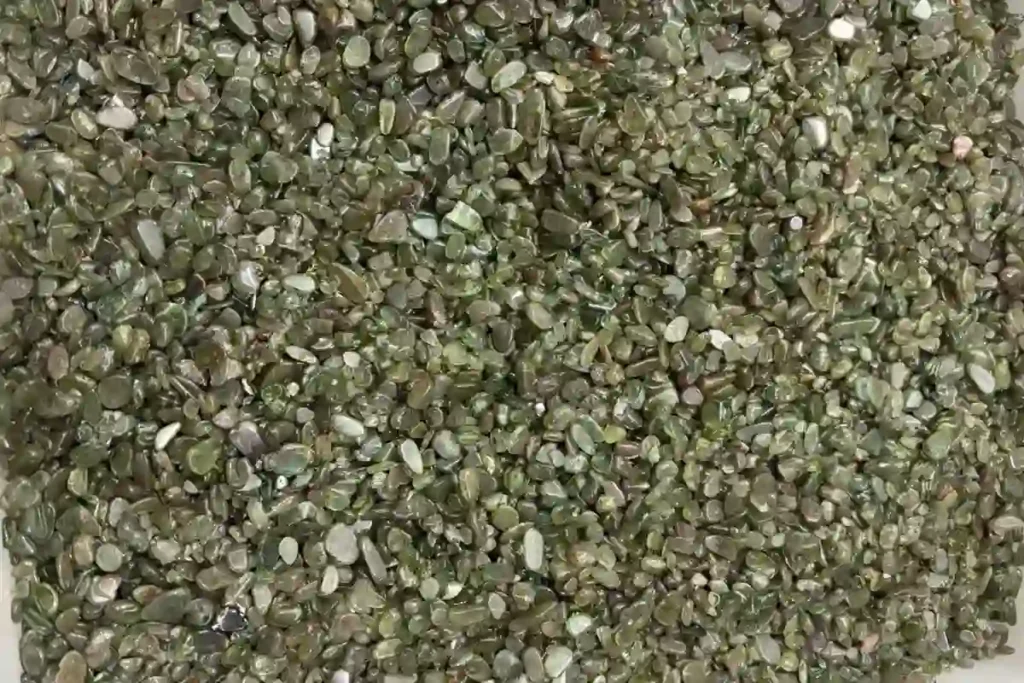
Pink tourmaline forms through slow geological processes that allow minerals and trace elements to develop inside the crystal. Its color, clarity, and internal patterns depend on the conditions present during formation. Mining location also affects the material available to buyers. Some sources produce pale pink stones, while others are known for deeper rose colors, stronger zoning, or more visible natural inclusions.
Formation, Mineral Family, and Crystal Associates
Pink tourmaline belongs to a complex group of boron-rich silicate minerals. It often develops in pegmatites, where mineral-rich fluids cool slowly and allow large crystals to grow. Small changes in chemistry can produce different shades within the same crystal, including pink, green, or colorless zones. Pink tourmaline may also occur near quartz, mica, or lepidolite, which helps explain why these minerals sometimes appear together in natural specimens.
The crystal’s chemical environment also affects its final appearance. Trace elements can create soft blush tones, stronger rose shades, or multicolored sections within one piece. Natural growth may leave fine lines, clouds, or color bands inside the stone. These features help show how the crystal formed, although they can influence cutting, polishing, and jewelry use. Material found with lepidolite often appeals to collectors and designers who prefer natural mineral combinations.
Sources, Mining, and Common Treatments
Pink tourmaline is mined in several gemstone-producing regions, including Brazil, Mozambique, Nigeria, Madagascar, Afghanistan, and the United States. Material from each source can vary in color, clarity, crystal size, and supply stability. Some deposits produce pale pink stones, while others yield brighter rose or reddish-pink material. Country of origin may influence availability and price, but buyers should judge each batch by its actual quality rather than assuming one source is always better.
Mining and cutting methods also affect the final cost of pink tourmaline. Crystals with heavy fractures may produce less usable material after shaping, while cleaner rough can support larger faceted stones. Some pink tourmaline may receive heat treatment to improve or stabilize its appearance, although untreated material is also available. Reliable suppliers should disclose any known treatments and provide clear photos or videos so buyers can compare color, clarity, and consistency before placing a bulk order.
Pink Tourmaline Meaning and Symbolism
Pink Tourmaline Meaning centers on love, compassion, emotional openness, and self-acceptance. Its soft color has made it a symbol of gentle connection in both jewelry traditions and modern crystal practices. Many people also associate the stone with trust, patience, and a willingness to form healthier relationships. These ideas are symbolic rather than scientific, but they continue to influence how people wear, collect, and gift pink tourmaline.
The Core Meaning of Pink Tourmaline
The meaning of pink tourmaline is closely linked to gentle love rather than passion alone. It can represent kindness toward others, but it also points to self-respect and emotional honesty. Some people wear the stone as a reminder to communicate with more patience and avoid hiding important feelings. Its symbolism makes it especially suitable for personal gifts, relationship jewelry, and pieces designed around comfort, care, or new emotional beginnings.
Pink tourmaline can also symbolize trust, empathy, and the courage to approach relationships with a more open mind. People may choose it during periods of change, such as starting a new relationship, rebuilding confidence, or moving beyond a difficult experience. In jewelry, these associations give the stone a personal value that goes beyond color or price. The pink tourmaline stone meaning often feels most relevant when it reflects the wearer’s own intentions and life story.
Pink Tourmaline Spiritual Meaning
Pink tourmaline spiritual meaning is often connected with inner peace, emotional openness, and a kinder relationship with oneself. In crystal traditions, people may use it during meditation, reflection, or quiet moments when they want to release tension and focus on compassion. It is also commonly linked to the heart chakra, where it symbolizes trust, forgiveness, and the willingness to accept both personal strengths and emotional needs.
Some people also view pink tourmaline as a stone of emotional renewal. They may keep it nearby while setting personal intentions, writing in a journal, or reflecting on past relationships. The pink tourmaline crystal meaning can vary from person to person, so there is no single rule for how it must be used. Its spiritual value comes mainly from the meaning, memories, and goals that the wearer connects with the stone.
History and Cultural Significance
Pink tourmaline has long attracted attention because its color naturally suggests affection, tenderness, and romance. As colored gemstones became more widely used in jewelry, pink varieties gained a place in rings, pendants, and personal gifts. Modern crystal traditions later added ideas such as emotional balance and self-acceptance. Today, its meaning often combines visual beauty, personal symbolism, and the cultural habit of linking pink gemstones with love and care.
In some spiritual and cultural practices, pink tourmaline is also used as a personal talisman for compassion, emotional strength, and healthy relationships. Others choose it simply because the color feels warm and comforting. These associations have changed over time and may differ across communities. Rather than following one fixed tradition, many people give the stone their own meaning through jewelry, gifts, meditation, or important life events.
Pink Tourmaline Meaning and Benefits
Pink Tourmaline Meaning and Benefits are often discussed through emotional, spiritual, and personal-growth traditions. Many people associate the stone with comfort, compassion, self-care, and healthier communication. These ideas can make pink tourmaline meaningful in jewelry, meditation, or personal rituals. However, its reported benefits come mainly from cultural beliefs and individual experiences. They should not replace professional medical care, mental health support, or proven treatment.
Emotional Benefits Traditionally Associated With Pink Tourmaline
Pink tourmaline is often linked with emotional comfort, self-kindness, and more open communication. Some people use it as a reminder to slow down, notice their feelings, and respond with greater patience. During stressful periods, the stone may support a personal routine that includes reflection, journaling, or quiet time. Its value comes from the intention behind these practices rather than from any proven ability to change emotions on its own.
Others choose pink tourmaline when working on trust, self-acceptance, or healthier relationship habits. Wearing it does not remove sadness or solve conflict, but it can serve as a personal cue to express feelings clearly and set better boundaries. For this reason, pink tourmaline stone benefits are usually described as symbolic support. The stone works best as part of a wider approach that may include honest conversations, rest, and professional guidance when needed.
Mental and Personal Growth Associations
Pink tourmaline is sometimes used as a reminder to reflect on personal habits and make calmer decisions. Its gentle symbolism may encourage people to notice harsh self-criticism, replace it with more balanced thoughts, and become clearer about their needs. During periods of change, the stone can represent patience and steady progress. It does not create personal growth by itself, but it may support routines built around reflection, goal setting, and healthier boundaries.
People may also connect pink tourmaline with confidence, emotional maturity, and a clearer sense of direction. Keeping the stone nearby during planning or journaling can help turn broad intentions into practical goals. Its symbolism encourages steady effort instead of quick change. Real progress still depends on daily choices, honest self-review, and consistent action, but the stone may serve as a simple visual reminder to stay focused on those priorities.
Spiritual Benefits and Energy Beliefs
In crystal traditions, pink tourmaline is often associated with compassion, emotional openness, and a stronger connection to the heart. Some people use it during meditation when they want to focus on forgiveness, gratitude, or self-acceptance. The stone may also represent a willingness to release old emotional patterns. These spiritual benefits depend on personal belief, so they should be understood as symbolic support rather than guaranteed changes in energy or well-being.
Pink tourmaline may also be used as a symbol of emotional connection, kindness, and spiritual growth. Some people keep it near a meditation space or wear it when they want to approach relationships with more understanding. Others link the stone with heart-centered intentions and a calmer inner state. The meaning remains personal, and no crystal can replace communication, self-awareness, or practical support when someone is facing serious emotional difficulties.
Traditional Physical Associations and Important Limits
Some crystal traditions connect pink tourmaline with the heart, circulation, and general physical balance. These ideas come from symbolic systems rather than reliable medical research. Pink tourmaline cannot diagnose, prevent, or treat illness, and it should never replace medication or professional care. People may still enjoy wearing it as jewelry or using it in a personal wellness routine, but any physical benefit should be viewed as a matter of belief rather than proven fact.
A pink tourmaline ring, bracelet, or loose stone may still play a positive role as part of a calming personal routine. For example, someone may wear it during meditation, keep it nearby while resting, or use it as a reminder to follow healthier habits. Any improvement would come from the routine, mindset, or professional support involved, not from the gemstone alone. Anyone with ongoing symptoms should speak with a qualified healthcare provider.
Pink Tourmaline and the Heart Chakra
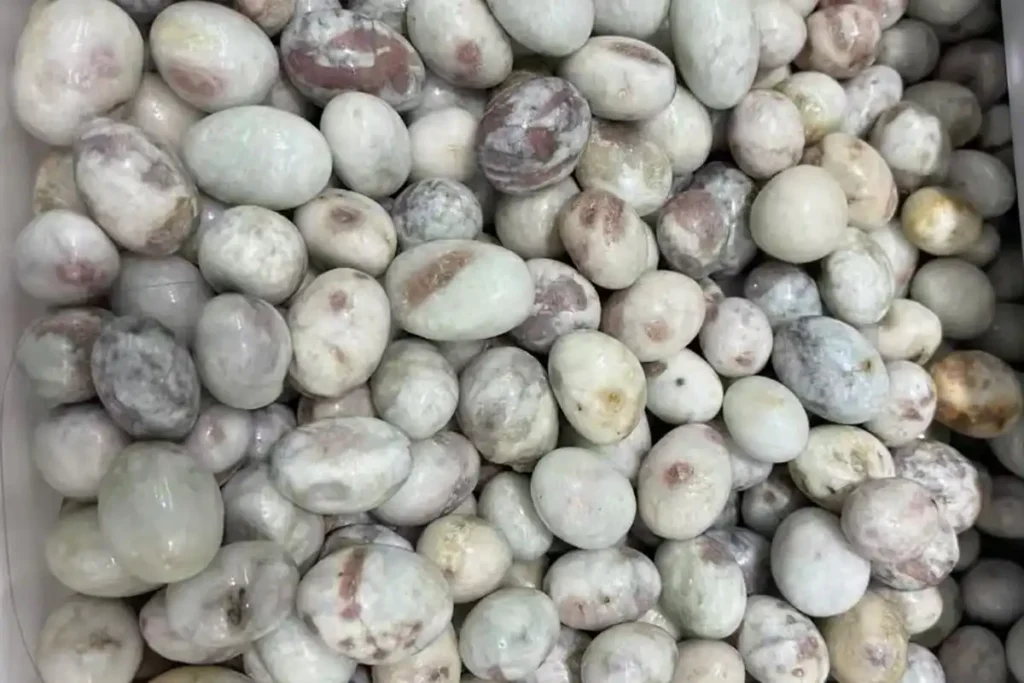
Pink tourmaline is commonly linked to the heart chakra in modern crystal traditions. This connection comes from the stone’s soft pink color and its symbolic ties to love, compassion, trust, and emotional openness. Some people use it during meditation or quiet reflection to focus on healthier relationships and self-acceptance. These ideas belong to spiritual belief systems and are not based on medical science.
Why Pink Tourmaline Is Linked to the Heart Chakra
The heart chakra is commonly associated with love, empathy, trust, and emotional balance. Because pink tourmaline carries a gentle color and similar symbolic themes, many crystal users connect the two. They may wear the stone near the chest, hold it during meditation, or place it in a quiet space. This practice is intended to support reflection and emotional awareness, not to change the body’s physical functions.
Unlike physical organs, the heart chakra is part of a spiritual framework used in yoga and modern energy practices. People may interpret its balance in different ways, so there is no single method for working with pink tourmaline. Some combine the stone with breathing exercises, affirmations, or journaling. The goal is usually to create a calm moment for self-reflection rather than to produce a guaranteed emotional or physical result.
Meditation and Self-Care With Pink Tourmaline
Pink tourmaline can be used during meditation as a simple point of focus. Some people hold the stone in one hand, place it nearby, or wear it as jewelry while practicing slow breathing. It may also support quiet routines such as journaling, gratitude exercises, or setting personal intentions. The stone does not create calm on its own, but it can help make the routine feel more meaningful and consistent.
A regular self-care practice works best when it stays simple and realistic. You might place pink tourmaline beside a journal, keep it on a desk, or use it as a visual reminder to pause during a busy day. Pairing the stone with practical habits, such as rest, clear communication, and time away from screens, gives the routine more value. Personal intention matters more than following a strict spiritual method.
Protection and Cleansing Beliefs
Some people view pink tourmaline as a symbol of emotional protection. In this context, protection usually means setting healthier boundaries, avoiding harmful relationship patterns, and staying aware of personal needs. The stone cannot block real danger or control another person’s behavior. Its role is mainly symbolic, helping the wearer remember to protect their time, energy, and emotional well-being through practical choices.
Cleansing beliefs focus on refreshing the symbolic role of the stone rather than changing its physical structure. A person may use moonlight, sound, smoke, or a short intention-setting practice to mark a fresh start. These methods are optional and depend on personal belief. For physical care, gentle cleaning and proper storage remain more important because harsh chemicals, heat, or impact can damage the gemstone or its setting.
Pink Tourmaline Birthstone Meaning, Zodiac, and Anniversary
Pink tourmaline is widely associated with October birthdays, Libra symbolism, and meaningful anniversary gifts. Its soft color and connection with love make it a popular choice for rings, pendants, and bracelets. The pink tourmaline birthstone meaning often centers on compassion, emotional balance, and personal connection. However, birthstone and zodiac interpretations may vary across traditions, so buyers should treat them as symbolic guidance rather than fixed rules.
Pink Tourmaline as an October Birthstone
Pink tourmaline is one of the gemstones commonly linked with October birthdays. Its warm color makes it a popular choice for personal gifts, especially rings, pendants, earrings, and bracelets. Many people connect the stone with love, kindness, and emotional confidence, which adds meaning beyond its appearance. For buyers, the best choice depends on color preference, jewelry style, budget, and how often the piece will be worn.
October is also associated with opal, so shoppers may see both gemstones presented as birthstone options. Pink tourmaline offers a clearer range of rose and blush tones, while opal is known for its play of color. Neither choice is automatically better. A retailer or jewelry designer should select the stone that matches the customer’s taste, price range, and preferred style rather than relying only on the birthstone label.
Pink Tourmaline, Libra, and Astrology
Pink tourmaline is often linked with Libra because both are associated with harmony, relationships, fairness, and emotional balance. In astrology, some people believe the stone can support calmer communication and more thoughtful choices in close relationships. Pink tourmaline stone benefits in astrology are based on traditional belief rather than scientific evidence. The stone should be viewed as a personal symbol, not as a guaranteed way to change luck, personality, or future events.
Astrological associations can also differ between cultures and practitioners. Some may connect pink tourmaline with other zodiac signs or recommend it based on a person’s birth chart rather than sun sign alone. Buyers do not need to follow these beliefs when choosing jewelry. Color, comfort, design, durability, and personal preference remain more practical factors, especially when selecting pieces for everyday wear or retail collections.
Anniversary and Gift Meaning
Pink tourmaline is also a thoughtful choice for anniversaries, birthdays, and relationship milestones because its symbolism centers on love, care, and emotional connection. A Pink Tourmaline Ring may suit a romantic gift, while a bracelet or pendant can offer a more flexible option for everyday wear. When choosing a piece, buyers should consider color, setting quality, durability, personal style, and how often the recipient plans to wear it.
How to Use Pink Tourmaline in Daily Life
Pink tourmaline can be worn, carried, displayed, or used during quiet personal routines. Some people choose it for its symbolic connection with love and self-acceptance, while others simply enjoy its color and natural appearance. There is no single correct way to use the stone. The best method depends on personal beliefs, daily habits, jewelry preferences, and the purpose behind choosing it.
Wearing, Carrying, and Displaying Pink Tourmaline
Wearing pink tourmaline as a ring, bracelet, necklace, or pendant keeps the stone close during daily activities. Loose stones can also be carried in a pouch, placed on a desk, or displayed in a quiet room. Jewelry works well for regular use, while raw crystals and polished stones may suit collectors or meditation spaces. Each form offers a different balance of comfort, appearance, and practical use.
Placing the stone in a visible location can also give it a practical role in a daily routine. A small crystal beside a journal, bed, or work area may serve as a reminder to pause, reflect, or communicate with more patience. However, sunlight, moisture, dust, and accidental impact can affect some pieces over time. Choose a secure location and clean the stone according to its finish, setting, and intended use.
Who May Choose Pink Tourmaline?
Pink tourmaline may appeal to people who enjoy soft pink gemstones, meaningful jewelry, or October birthstone designs. It can also suit buyers looking for gifts connected with love, compassion, or personal growth. Jewelry designers often choose it for feminine collections, while crystal retailers may offer it to customers interested in symbolism and meditation. A person does not need to follow spiritual beliefs to appreciate the stone’s color, rarity, or natural beauty.
The right choice also depends on how the stone will be used. Someone buying for daily wear may prefer a secure setting and a durable design, while a collector may focus more on color, clarity, or crystal form. Wholesale buyers should consider their target customers, expected price range, and preferred product type before ordering. This gemstone can fit fine jewelry, bead collections, gift items, or spiritual products when the quality matches the market.
Pink Tourmaline Jewelry: Rings, Bracelets, and More
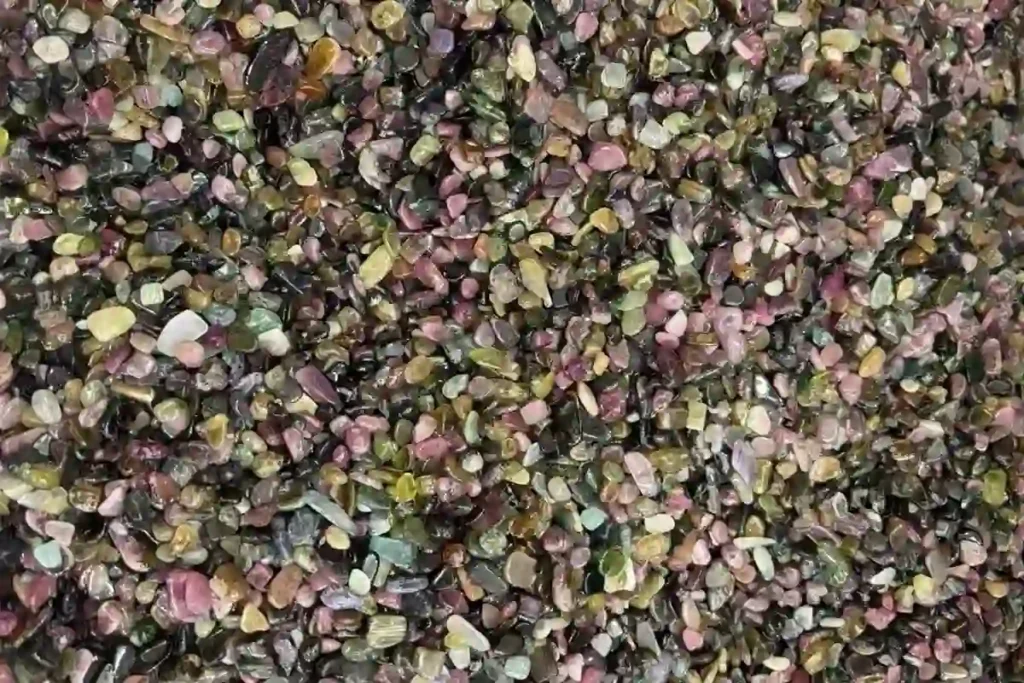
Rings, bracelets, necklaces, earrings, pendants, and loose bead designs can all feature pink tourmaline. Its broad color range allows jewelry makers to create both delicate and bold styles. Clear stones often suit fine settings, while included material works well in beads and natural-looking pieces. For buyers, the best option depends on design, durability, target price, and customer preference.
Pink Tourmaline Ring
A Pink Tourmaline Ring highlights the stone’s color and makes it easy to use as a personal or romantic gift. Pale blush stones create a soft, elegant look, while deeper rose or reddish-pink gems provide stronger contrast. Buyers should consider the stone’s cut, setting, and size because these details affect both appearance and daily durability. A secure setting is especially important for rings worn often.
For wholesale orders, color matching is important when several rings belong to the same collection. Natural stones may vary in tone, clarity, and inclusions, even when the size stays consistent. Buyers should confirm the preferred pink range, acceptable internal features, metal type, and setting style before production. Clear photos, videos, or samples can help reduce differences between expectations and the finished order.
Pink Tourmaline Bracelet
A Pink Tourmaline Bracelet can feature smooth round beads, faceted beads, polished chips, or small stones set in metal. Soft pink tones create a gentle and easy-to-wear style, while darker rose colors give the design more contrast. Bracelet buyers often look at bead size, color consistency, surface polish, and overall matching because these details strongly affect how the finished piece looks on the wrist.
For bulk bracelet orders, natural inclusions are common and should be judged separately from surface damage. Buyers also need to confirm bead diameter, hole size, strand length, polish, and color tolerance before production begins. A bracelet made from evenly matched beads usually looks more refined, while stronger natural variation may suit handmade or organic-style collections. Samples and batch photos can help buyers choose the right grade for their market.
Necklaces, Earrings, and Loose Beads
Pink tourmaline necklaces and earrings can highlight the stone’s transparency, cut, and natural color. Faceted gems often suit fine jewelry, while polished beads work well for layered necklaces, drop earrings, and custom designs. Loose pink tourmaline beads give jewelry makers more control over size, spacing, and color combinations. Buyers should match the material grade to the design because each jewelry type places different demands on clarity, weight, and durability.
Styling and Gifting Pink Tourmaline Jewelry
Pink tourmaline pairs well with yellow gold, rose gold, white gold, and silver-toned metals. Pale pink stones suit delicate and romantic designs, while deeper rose shades create a stronger focal point. The gemstone also works well in birthday, anniversary, and relationship gifts because of its connection with love and emotional warmth. Buyers should choose the color, metal, and jewelry style based on the recipient’s taste rather than symbolism alone.
Need help choosing the right pink tourmaline for your market? Send us your preferred product type, size, color range, quantity, and packaging requirements through WhatsApp or our inquiry form. We can share current options, batch photos, available specifications, and practical recommendations based on your target price and customers. Clear details at the beginning make it easier to match the material with your jewelry designs and purchasing plan.
Best Crystals to Pair With Pink Tourmaline
Pink tourmaline can be paired with other stones to create different visual styles and symbolic themes. Soft purple, green, clear, and pale pink gemstones often work well with its warm color. Some buyers choose combinations for spiritual meaning, while jewelry designers may focus more on contrast, texture, and market appeal. The best pairing depends on the finished product, target customer, and overall design direction.
Lepidolite and Pink Tourmaline Meaning
Lepidolite and pink tourmaline meaning is often linked with calm, self-care, emotional awareness, and gentler responses to stress. Their purple and pink tones also create a soft visual combination for bracelets, necklaces, and mixed-stone designs. Lepidolite usually has a more layered or mica-like appearance, while pink tourmaline may look clearer or more polished. Jewelry makers should consider hardness, surface texture, and daily wear when combining the two stones.
From a design perspective, this pairing works best when the colors stay balanced and neither stone overwhelms the other. Pale pink tourmaline can soften darker purple lepidolite, while brighter pink beads add contrast to lighter material. Wholesale buyers should check color consistency, bead size, polish, and drilling quality before ordering mixed-stone designs. Since lepidolite is relatively soft, bracelets and necklaces may need more careful handling during assembly, shipping, and daily wear.
Pink and Green Tourmaline Meaning and Other Pairings
Pink and green tourmaline meaning is often connected with balance between emotional warmth and steady growth. In crystal traditions, both colors are linked with the heart chakra, although their roles may feel different. Pink tourmaline represents compassion and self-acceptance, while green tourmaline is more often associated with renewal, confidence, and forward movement. Together, they create a natural color contrast that works well in bracelets, necklaces, and multicolored tourmaline designs.
Other suitable pairings include clear quartz, rose quartz, amethyst, and morganite. Clear quartz adds a clean, neutral contrast, while rose quartz creates a softer pink palette. Amethyst introduces purple tones, and morganite works well in refined jewelry with a romantic style. Designers should compare color strength, transparency, bead size, and surface finish before mixing materials so the finished piece looks balanced rather than crowded.
How to Cleanse, Charge, and Care for Pink Tourmaline
Pink tourmaline needs both practical care and, for some users, symbolic cleansing. Physical cleaning helps protect the stone’s surface and jewelry setting, while spiritual methods reflect personal beliefs and routines. The two should not be confused. Gentle handling, safe storage, and suitable cleaning methods matter most for maintaining appearance, especially for rings, bracelets, and other pieces worn regularly.
Safe Cleaning and Storage
Clean pink tourmaline with lukewarm water, mild soap, and a soft cloth or brush. Avoid strong chemicals, ultrasonic cleaners, sudden temperature changes, and hard scrubbing, especially when the stone has visible inclusions or a delicate setting. After cleaning, dry the piece carefully before storage. For rings and bracelets, check the prongs, string, or metal parts regularly because damage to the setting can be more serious than light surface dirt.
Store pink tourmaline separately from harder gemstones that may scratch its surface. A soft pouch or lined jewelry box works well for loose stones and finished pieces. Keep necklaces and bracelets untangled, and avoid leaving them in direct sunlight, damp areas, or places with frequent temperature changes. Care requirements may also depend on the metal, adhesive, or string used in the design, so check the entire piece rather than focusing only on the gemstone.
Cleansing and Charging Methods
Some people cleanse pink tourmaline with moonlight, gentle sound, smoke, or a short intention-setting practice. These methods belong to spiritual traditions and do not physically clean the gemstone. You may place the stone near a window overnight, use a singing bowl, or hold it while focusing on a personal goal. Choose a method that feels comfortable, and avoid heat, strong sunlight, saltwater, or harsh substances that could damage the stone or its setting.
Charging practices are also optional and depend on personal belief. Some users place pink tourmaline beside clear quartz, leave it under soft moonlight, or use a few quiet minutes to reset their intention for the stone. No method can scientifically increase the gemstone’s energy. The main value comes from the meaning a person gives the practice. Regular cleaning, careful storage, and gentle handling remain the most important steps for protecting the stone.
How to Buy Pink Tourmaline With Confidence
Buying pink tourmaline requires more than choosing a color you like. Buyers should compare clarity, inclusions, treatment information, cutting quality, and the intended use of the material. A stone suited to fine jewelry may not fit a bead collection or lower price range. Clear supplier communication, realistic quality expectations, and careful batch review help reduce risk, especially when purchasing larger quantities.
Color, Clarity, and Natural Inclusions
Pink tourmaline can range from pale blush and soft rose to brighter raspberry, reddish-pink, and slightly purple tones. Stronger color saturation and even color distribution often increase value, but customer preference still matters. Some buyers prefer light, delicate shades, while others want deeper colors that stand out in jewelry. When comparing stones, check them under consistent lighting because screens, photography, and background colors can change how the pink appears.
Clarity also affects price and suitability for different products. Transparent stones with few visible inclusions are usually more valuable and often used in faceted jewelry. Beads and cabochons may contain natural lines, clouds, or internal fractures, which do not automatically indicate poor quality. Buyers should distinguish normal internal features from surface cracks, chips, weak drilling areas, or damage that may reduce durability during production and daily wear.
Treatments, Authenticity, and Supplier Disclosure
Some pink tourmaline may receive heat treatment or other commercial enhancement to improve color or overall appearance. Treatment does not always make a stone unsuitable, but buyers should know what they are purchasing. Reliable suppliers should share any known treatment information, explain the material grade clearly, and avoid vague claims about origin or quality. For higher-value orders, independent testing may provide extra confidence when appearance alone cannot confirm authenticity.
Home tests and online photos cannot confirm every detail about a gemstone. Buyers should compare videos, close-up images, measurements, and supplier records before placing a larger order. Material that appears unusually clean, strongly colored, and far below the normal market range deserves extra review. A certificate may be useful for valuable faceted stones, while samples and batch inspections are often more practical for beads and commercial jewelry production.
Choosing Jewelry, Beads, or Loose Stones
The best format depends on how the pink tourmaline will be used. Finished jewelry suits retailers who want ready-to-sell pieces, while loose beads give designers more control over size, spacing, and color combinations. Faceted stones may fit higher-end collections, but included beads can work well for affordable or natural-style products. Buyers should match the material grade, shape, and price to their target customer rather than choosing the most expensive option automatically.
Wholesale buyers should also confirm dimensions, quantity tolerances, drilling quality, matching standards, and acceptable inclusion levels before production. Retail brands may need more consistent colors across each collection, while jewelry designers may accept greater natural variation. Requesting samples, batch photos, or short videos helps buyers compare the actual material with their target price and design requirements. Clear specifications reduce misunderstandings and make repeat orders easier to match.
My Experience Supplying Pink Tourmaline to Wholesale Buyers
In my experience supplying gemstones to wholesale buyers, customers rarely judge pink tourmaline by its meaning alone. They also compare color consistency, transparency, bead size, surface polish, drilling quality, and how the material will look in finished jewelry. A suitable grade depends on the buyer’s market, target price, and design style. For this reason, I usually confirm these details before preparing samples or selecting a full batch.
Color Matching Between Different Batches
One lesson I have learned is that natural pink tourmaline can vary noticeably from one batch to another. Some lots show pale blush tones, while others contain deeper rose, raspberry, or slightly purple colors. Even when bead size and shape remain the same, the finished jewelry may look different. For repeat orders, I recommend confirming an acceptable color range and reviewing current batch photos or videos before the full quantity is prepared.
Lighting can also change how buyers see the same batch. Warm indoor light may make the stones appear richer, while daylight can reveal cooler or more purple tones. To avoid confusion, I prefer to provide photos and videos under consistent lighting and, when needed, send samples for approval. This extra step is especially useful for branded collections, matched bracelet sets, and repeat orders where color continuity matters.
Inclusions, Surface Quality, and Grading
Commercial-grade pink tourmaline beads often contain natural lines, clouds, or internal inclusions. These features are common and do not always mean the material is low quality. During inspection, I separate internal characteristics from surface cracks, chips, rough holes, and poor polishing. I also check bead diameter, shape consistency, and drilling position because these details directly affect jewelry assembly, appearance, and customer satisfaction.
Transparent material usually costs more, but it is not always the best choice for every wholesale customer. Some designers prefer visible natural character, while retail brands may request cleaner beads and tighter matching. I normally grade each batch according to color, clarity, surface condition, and production consistency rather than using transparency alone. The right grade should fit the buyer’s budget, design needs, and expected retail price.
Matching the Quality Grade to the Buyer’s Market
The highest grade is not always the most suitable choice for every buyer. Jewelry designers may accept more natural variation because it gives each piece a distinctive look. Retail brands often prefer tighter color matching and cleaner surfaces across a full collection. Gift buyers may focus more on overall presentation and packaging. Before selecting material, I usually consider the customer’s target market, budget, product style, and expected selling price.
Clear communication is especially important when the order involves repeat production. I usually confirm the preferred color range, acceptable inclusion level, bead size tolerance, and packaging before preparing the full quantity. This helps prevent the buyer from paying for a grade that does not suit the intended market. In many cases, a well-matched commercial grade performs better than a more expensive material that exceeds the customer’s actual needs.
FAQs About Pink Tourmaline
What Does Pink Tourmaline Mean Spiritually?
Spiritually, pink tourmaline is commonly associated with compassion, self-acceptance, emotional openness, and a stronger connection with the heart. Some people use it during meditation or quiet reflection to focus on forgiveness, trust, and healthier relationships. Pink Tourmaline Meaning may feel different to each person because spiritual interpretations depend on individual beliefs and experiences. The stone can serve as a personal symbol, but it cannot guarantee emotional healing or replace practical support.
Who Should Wear Pink Tourmaline?
Pink tourmaline may suit people who enjoy soft-colored gemstones, meaningful jewelry, or October birthstone designs. It can also appeal to anyone who connects with themes of compassion, self-respect, and emotional openness. Jewelry buyers may choose it for rings, bracelets, or pendants, while designers may use it in feminine or romantic collections. No spiritual belief is required, as many people wear pink tourmaline simply for its natural color and beauty.
Who Should Not Wear Tourmaline?
There is no general rule that prevents someone from wearing tourmaline. However, people with metal allergies should check the ring, bracelet, or necklace setting before use. Those who work with machinery, chemicals, or frequent physical activity may also need to remove the jewelry to avoid damage or injury. Anyone who feels uncomfortable with crystal beliefs can simply choose the stone for its appearance. Personal comfort, safety, and practical use matter more than zodiac restrictions.
Can Pink Tourmaline Be Worn Every Day?
Pink tourmaline can be worn every day if the jewelry has a secure setting and receives proper care. Rings and bracelets face more impact than pendants or earrings, so remove them during exercise, cleaning, gardening, or heavy work. Avoid strong chemicals, sudden temperature changes, and contact with harder gemstones that may cause scratches. Regularly check prongs, elastic, clasps, and drilled holes. Careful handling helps protect both the stone and the finished jewelry.
How Rare Is Pink Tourmaline?
Pink tourmaline is not equally rare in every quality grade. Commercial material with visible inclusions and lighter color is reasonably available, especially in beads and cabochons. However, large stones with vivid pink color, strong clarity, even saturation, and good cutting are much harder to find. Origin, treatment, size, and overall quality also influence value. Buyers should compare the actual stone or batch instead of assuming that every pink tourmaline has the same rarity or price.
Conclusion: Understanding Pink Tourmaline Meaning and Choosing the Right Stone
Pink Tourmaline Meaning is closely connected with love, compassion, emotional openness, and self-acceptance. Beyond its symbolic value, the stone also offers natural color variation and wide use in rings, bracelets, necklaces, beads, and custom jewelry. Buyers should compare color, clarity, inclusions, treatments, cutting quality, and intended use before making a decision. Traditional crystal benefits may add personal meaning, but they should never replace medical advice, practical care, or informed purchasing.
For wholesale inquiries, send us your required product type, size, quantity, preferred color grade, packaging needs, and any custom specifications through WhatsApp or our inquiry form. We can provide current material options, batch photos, available sizes, and a quotation based on your market and quality expectations. Sharing clear requirements at the beginning helps us recommend a suitable grade, prepare accurate samples, and support more consistent repeat orders.
Disclaimer
The information provided here is for educational and general reference purposes only. Statements about pink tourmaline meaning, spiritual properties, chakra associations, and traditional benefits are based on cultural beliefs and personal practices, not medical evidence. Pink tourmaline should not be used to diagnose, treat, prevent, or cure any health condition. Always seek advice from a qualified healthcare professional for medical or mental health concerns.