
Opal Spiritual Meaning: Symbolism, Properties, Colors, and Buyer Insights
Written by: Rocrystal Sourcing & QC Team, Last updated: July 31, 2026
Opal has fascinated people for centuries because its colors seem to shift with every movement. This changing appearance has inspired many traditional beliefs about emotion, creativity, hope, and personal transformation. Opal Spiritual Meaning often centers on the idea that the stone reflects inner feelings and encourages honest self-expression, making it meaningful to collectors, jewelry buyers, and people interested in crystal symbolism.
The spiritual meaning of opal can vary by color, culture, and personal belief. White opal is often linked with clarity and new beginnings, while fire opal is associated with passion and motivation. Pink, blue, black, green, dendritic, Ethiopian, and boulder opal also carry different symbolic meanings. Understanding these differences helps buyers choose stones that match their jewelry collections, customer preferences, and intended product stories.
This guide explains opal meaning in clear, practical language. It covers symbolism, traditional spiritual properties, chakra associations, color meanings, folklore, daily use, care, and wholesale buying points. It also answers what does opal mean spiritually without presenting personal beliefs as proven medical facts. Crystal meanings can offer inspiration and cultural value, but they should never replace professional medical or mental health advice.
What Does Opal Mean Spiritually?
The Core Spiritual Meaning of Opal
The core Opal Spiritual Meaning centers on emotion, imagination, hope, and personal change. Many traditions describe opal as a stone that reflects what a person already carries within. Its shifting colors often symbolize thoughts and feelings that may not be easy to express. For this reason, people often connect opal with honest communication, creative thinking, and a deeper understanding of their inner world.
The spiritual meaning of opal also relates to possibility and transformation. Because no two stones display color in exactly the same way, opal can represent individuality and the courage to follow a personal path. Some people wear it as a reminder to stay open to new ideas, accept emotional changes, and express themselves with confidence. These meanings come from cultural traditions and personal belief rather than proven effects.
Why Opal Is Linked to Emotion and Transformation
Opal is often linked to emotion because its colors can appear different as light and viewing angles change. Many people see this shifting look as a symbol of feelings that move, deepen, or become clearer over time. In traditional crystal beliefs, Opal Spiritual Meaning may include emotional awareness, self-reflection, and the courage to face feelings honestly. Some wearers use the stone as a personal reminder to notice their reactions instead of ignoring them.
Transformation is another common part of opal symbolism. Its changing appearance can represent new stages of life, creative growth, and the release of old habits. Rather than causing change by itself, opal may serve as a meaningful object during reflection, journaling, or meditation. People can connect its colors with personal goals, difficult choices, or fresh beginnings. These interpretations remain symbolic and may differ widely between individuals and cultures.
Tradition, Personal Belief, and Responsible Interpretation
The opal crystal spiritual meaning comes mainly from cultural traditions, folklore, and personal experience. Different communities may connect opal with hope, protection, creativity, intuition, or emotional expression. These ideas can help people reflect on their goals and values, but they do not create one fixed meaning for every wearer. A person’s background, beliefs, and reason for choosing the stone often shape how they understand its symbolism.
Responsible interpretation keeps traditional crystal beliefs separate from medical or scientific claims. Opal may serve as a reminder during meditation, journaling, or personal rituals, yet it cannot guarantee healing, luck, or emotional change. Retailers should use clear phrases such as “traditionally associated with” or “believed by some people.” This approach respects the spiritual meaning of opal while giving customers honest and trustworthy information.
What Is Opal and Why Does Its Appearance Matter?
How Opal Forms and Displays Color
Opal forms when silica-rich water enters small cracks and spaces in rock. As the water slowly evaporates, tiny silica particles remain and build up over time. Opal also contains a small amount of water within its structure. Unlike quartz, it does not have a regular crystal structure, so experts describe it as a mineraloid rather than a true mineral crystal.
Some opals show flashes of several colors, while others display one steady body color without visible flashes. This difference depends on how the silica particles are arranged inside the stone. When the particles form an orderly pattern, light bends and separates into different colors. Buyers often call this effect play-of-color, and its strength can greatly affect an opal’s appearance, rarity, and market value.
Play-of-Color and Symbolic Interpretation
Play-of-color gives opal its most recognizable visual effect. As the stone moves, flashes of blue, green, orange, red, or yellow may appear and disappear. This changing display has influenced opal meaning across many cultures. People often connect it with hidden possibilities, shifting emotions, imagination, and the many sides of a person’s character.
The unpredictable colors also support common ideas about opal symbolism. Some view the stone as a reminder that feelings and life situations can change with time and perspective. Others associate its bright flashes with hope, inspiration, and opportunities that have not yet become clear. These meanings come from human interpretation rather than the stone’s physical structure, but its unusual appearance helps explain why opal gained such a strong spiritual reputation.
Opal vs. Opalite
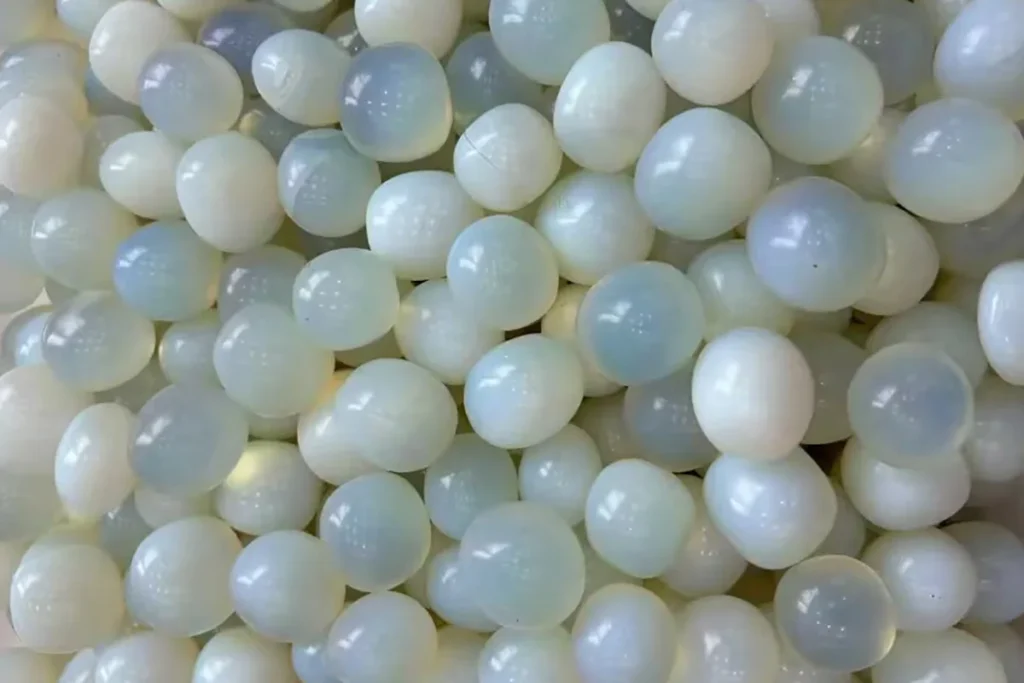
Opal and opalite may look similar in photos, but they are not the same material. Natural opal forms in the earth and may show play-of-color, solid body color, or natural inclusions. Opalite is usually a man-made glass with a soft blue or milky appearance. Sellers sometimes use the name loosely, so buyers should always confirm the material before placing a bulk order.
The distinction also matters when discussing value and opal spiritual meaning. Traditional beliefs usually refer to natural opal, while opalite has developed its own modern symbolic associations. A reliable supplier should clearly state whether a piece is natural, treated, synthetic, assembled, or imitation. Accurate descriptions help retailers set fair prices, answer customer questions, and avoid confusion after delivery.
Opal Symbolism Across History and Culture
Ancient Beliefs and Early Cultural Symbolism
Ancient communities often valued opal because its changing colors seemed to hold several gemstones in one stone. Roman writers linked it with hope, purity, and good fortune. Some people also believed that opal could protect the wearer and reveal hidden truths. Its rarity and unusual appearance made it a symbol of status, beauty, and mystery among wealthy collectors and rulers.
Other early traditions connected opal with rainbows, light, and natural forces. The flashes inside the stone inspired stories about divine favor, imagination, and spiritual vision. Although these beliefs differed from one culture to another, they helped shape the wider Opal Spiritual Meaning known today. Modern readers may view these stories as cultural symbolism rather than proven fact, but they still explain why opal remains closely tied to hope, protection, creativity, and personal transformation.
European Folklore, Protection, and Bad-Luck Myths
European folklore gave opal both positive and negative meanings. During the Middle Ages, some people associated the stone with clear sight, protection, truth, and good fortune. Its flashes of color also created links with mystery and magic. Wearers sometimes treated opal as a personal symbol of hope, while storytellers connected its changing surface with hidden knowledge and the ability to see beyond ordinary appearances.
The belief that opal brings bad luck became more common through dramatic stories, superstition, and changing public opinion. Later marketing competition may also have encouraged fear around the stone. However, no physical property of opal supports the idea that it causes misfortune. Modern collectors often see the opal superstition as an interesting part of gemstone history rather than a warning. Today, opal is still widely chosen for its beauty, individuality, and positive symbolism.
Opal Meaning in the Bible and Other Traditions
The Opal meaning Bible connection is not fully clear because ancient gemstone names do not always match modern mineral names. Some readers link opal with biblical descriptions of colorful or radiant stones, while others believe the original texts referred to different gems. For this reason, it is safer to describe opal as a modern symbol of hope, light, beauty, and spiritual reflection rather than claim that the Bible gives it a specific power.
Other religious and cultural traditions also interpret opal in different ways. Some people associate its shifting colors with divine creativity, inner truth, or the variety of human experience. Others see it as a symbol of protection, inspiration, or personal change. These meanings depend on culture and belief, so no single explanation applies to everyone. Respectful descriptions should separate historical tradition from modern interpretation and avoid presenting spiritual symbolism as religious fact.
Opal Spiritual Properties and Emotional Associations
Creativity and Self-Expression
Opal is often connected with creativity because its colors change with light and movement. Artists, designers, writers, and other creative people may use it as a symbol of fresh ideas and personal expression. Within Opal Spiritual Meaning, the stone represents imagination, originality, and the confidence to share thoughts that may feel difficult to explain.
Each opal has its own mix of color, pattern, and brightness, which also makes it a strong symbol of individuality. Some people wear opal jewelry while working on creative projects or making important personal choices. The stone does not create talent or inspiration by itself, but it can serve as a visual reminder to explore new ideas, trust personal taste, and communicate with greater honesty.
Emotional Awareness and Personal Change
Opal is often used as a symbol of emotional awareness because its shifting colors can reflect changing moods and personal experiences. In traditional crystal beliefs, opal emotional meaning relates to recognizing feelings instead of hiding them. Some people keep the stone nearby while journaling, reflecting, or making difficult decisions. Its value in these practices comes from the meaning a person gives it, not from a guaranteed emotional effect.
Personal change can feel uncertain, especially when someone leaves familiar habits or begins a new stage of life. Opal may represent the courage to accept that uncertainty and remain open to growth. Many people connect Opal Spiritual Meaning with transformation, self-knowledge, and more honest choices. The stone cannot create change on its own, but it may serve as a reminder of goals, lessons, and progress.
Intuition, Hope, and Mindfulness
Opal is often associated with intuition because its changing colors encourage people to slow down and notice details. Some use it during quiet reflection, meditation, or journaling when they want to understand a situation more clearly. Within opal spiritual properties, intuition does not mean predicting the future. Instead, it can refer to paying closer attention to feelings, patterns, and personal reactions before making a decision.
Hope is another common part of opal symbolism. Bright flashes appearing within a pale or dark stone can represent new possibilities during uncertain times. People may keep opal nearby as a reminder to remain patient, stay open to change, and focus on meaningful goals. In mindfulness practice, the stone can provide a simple visual point of attention, helping the user return to the present moment without expecting a guaranteed result.
Protection, Luck, and Emotional Amplification
Opal has long carried associations with protection and good fortune. Some traditions describe it as a stone that guards personal energy, supports confidence, or attracts positive opportunities. Others wear it as a symbol of hope during uncertain periods. These ideas form part of Opal Spiritual Meaning, but they come from folklore and personal belief rather than measurable effects.
Many crystal traditions also describe opal as an amplifier of emotions. This does not mean the stone controls a person’s mood. Instead, some people feel that its symbolism encourages them to notice feelings they have already ignored. For this reason, opal may feel uplifting to one person and emotionally intense to another. A thoughtful approach helps wearers use it for reflection without expecting guaranteed luck, protection, or emotional change.
Opal and Chakra Associations
Crown and Third-Eye Associations
White opal and stones with bright play-of-color are often associated with the crown chakra, which many spiritual traditions connect with awareness, reflection, and a broader sense of purpose. Some people use opal during meditation when they want to quiet mental distractions and focus on personal questions. These links remain symbolic and depend on individual belief.
Dark opals and strongly patterned stones may also be connected with the third-eye chakra. In this context, Opal Spiritual Meaning relates to intuition, observation, and understanding personal reactions more clearly. Opal does not open a chakra or create special abilities by itself. Instead, it may serve as a visual focus during meditation, breathing exercises, or thoughtful reflection.
Heart and Throat Associations
Pink opal is often linked with the heart chakra, which many spiritual traditions connect with compassion, emotional openness, and gentle self-acceptance. Some people choose it during reflection on relationships, forgiveness, or personal boundaries. The stone cannot repair emotional pain by itself, but it may serve as a calming symbol while someone considers their needs and feelings.
Blue opal is commonly associated with the throat chakra and themes of communication, honesty, and self-expression. People may wear it when preparing for an important conversation or working to express ideas more clearly. Within Opal Spiritual Meaning, these chakra connections reflect personal intention rather than proven effects. Individual experiences can vary, and color often influences how each opal is interpreted.
How to Use Opal in Meditation
Opal can provide a simple visual focus during meditation. Hold the stone comfortably or place it where you can see its colors. Begin with slow breathing, then choose a clear intention such as creativity, emotional awareness, or honest communication. As your attention settles, observe the stone’s color, pattern, and changing reflections without trying to force a particular feeling.
After several minutes, consider any thoughts or emotions that appear and write them down if helpful. Some people connect this practice with Opal Spiritual Meaning, while others simply use the stone as a mindfulness object. Keep the session short and comfortable, especially when beginning. Meditation experiences vary, and opal should support personal reflection rather than promise spiritual abilities or guaranteed emotional results.
Spiritual Meaning of Opal Colors and Varieties
White Opal Spiritual Meaning
The White Opal spiritual meaning is often connected with clarity, hope, purity, and new beginnings. Its pale body color and soft flashes can create a calm, delicate appearance. Many people choose white opal as a personal symbol when entering a new stage of life, starting a creative project, or seeking a clearer sense of direction.
White opal symbolism also includes imagination, emotional openness, and gentle self-expression. In jewelry collections, this stone works well for bridal designs, meaningful gifts, and light-colored pieces. Although white opal meaning may inspire reflection, the stone cannot guarantee clarity or change. Its value comes from its beauty, personal significance, and traditional associations.
Fire Opal Spiritual Meaning
The Fire Opal spiritual meaning is closely tied to passion, confidence, creativity, and the courage to take action. Its yellow, orange, and red body colors often remind people of warmth and flame. For this reason, fire opal may symbolize renewed motivation, stronger self-expression, and the willingness to move forward after a period of doubt or hesitation.
The spiritual meaning of fire opal also includes vitality and emotional openness. Many jewelry buyers choose it for bold designs because its warm color creates a strong visual impact. However, not every fire opal shows play-of-color, so buyers should evaluate body color and color flashes separately. Its spiritual associations come from tradition and personal belief rather than guaranteed effects.
Pink Opal Spiritual Meaning
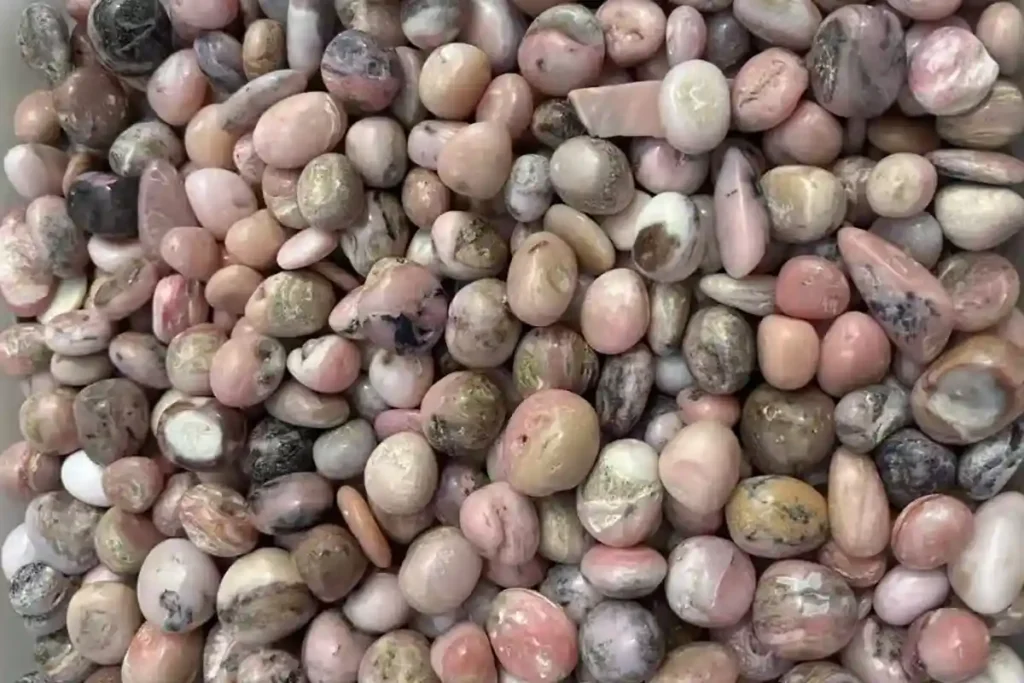
The Pink Opal spiritual meaning is often linked with compassion, emotional comfort, self-acceptance, and gentle communication. Its soft pink color gives it a calm and welcoming appearance. Many people choose pink opal as a personal symbol when reflecting on relationships, setting healthier boundaries, or learning to treat themselves with greater patience.
In retail collections, pink opal meaning works well for meaningful gifts, delicate jewelry, and products centered on care or emotional balance. Its color is especially popular for bracelets, pendants, and feminine designs. However, pink opal emotional symbolism reflects traditional beliefs and personal interpretation. The stone cannot guarantee emotional healing or changes in relationships.
Black Opal Spiritual Meaning
The black opal spiritual meaning is often linked with protection, inner strength, mystery, and personal transformation. Its dark body tone can make flashes of blue, green, red, or orange appear more intense. Many people view this contrast as a symbol of finding confidence, direction, or hope during uncertain periods.
Black opal is also popular in premium jewelry because strong play-of-color can create a dramatic appearance. Buyers should check body tone, brightness, pattern, cracks, surface condition, and any treatment information before purchasing. Although black opal protection and transformation are common traditional themes, the stone cannot guarantee safety or life changes. Its meaning depends on personal belief, while its market value depends mainly on quality, rarity, and appearance.
Blue Opal Spiritual Meaning
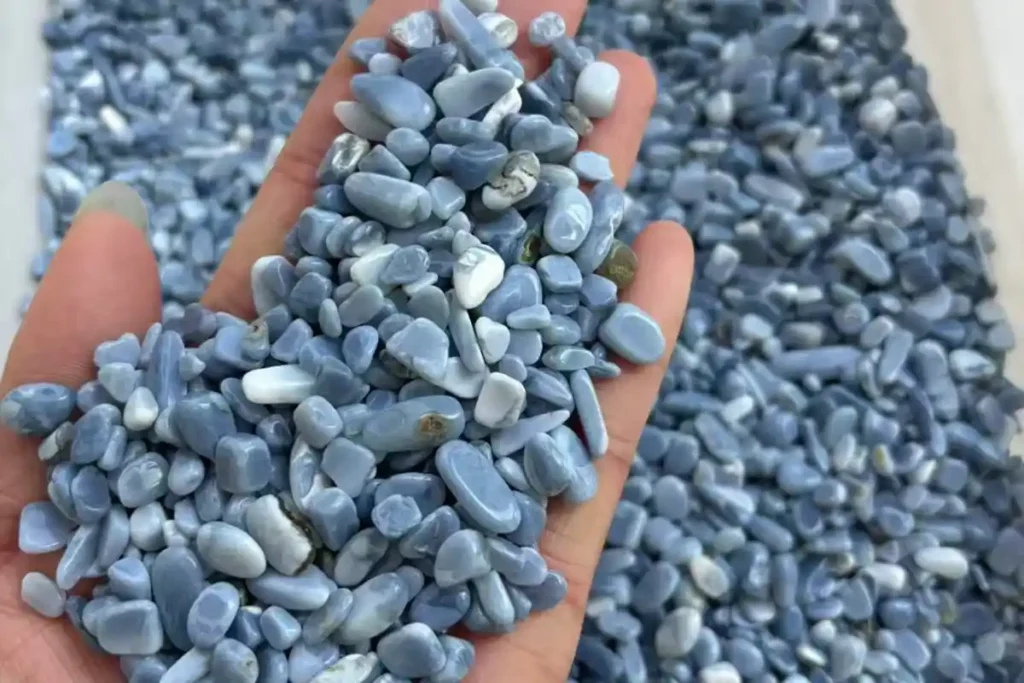
The blue opal spiritual meaning is often connected with calm communication, emotional clarity, and peaceful self-expression. Its soft blue color can remind people of open skies and quiet water. Some wearers choose blue opal when they want to speak more honestly, listen with patience, or approach difficult conversations with a calmer mindset.
Themes of blue opal communication and blue opal peace also make this stone suitable for necklaces, earrings, bracelets, and thoughtful gifts. Retail buyers often select it for collections focused on relaxation, mindfulness, or personal expression. These associations come from color symbolism and traditional beliefs. Blue opal cannot guarantee confidence or emotional balance, but it can serve as a meaningful reminder of clear and respectful communication.
Green Opal Spiritual Meaning
The green opal spiritual meaning is often associated with renewal, personal growth, emotional balance, and a stronger connection with nature. Its fresh green color can symbolize new opportunities and steady progress. Some people choose green opal during periods of change because it reminds them to remain patient while developing healthier habits or working toward long-term goals.
Themes of green opal growth and renewal also make this stone suitable for nature-inspired jewelry, calming gift collections, and products focused on mindfulness. Buyers should compare color depth, transparency, polish, and natural markings because green opal can vary greatly between sources. These spiritual associations reflect traditional beliefs, while the stone’s commercial value depends mainly on appearance, quality, size, and consistency.
Dendritic Opal Spiritual Meaning
The dendritic opal spiritual meaning is often connected with growth, patience, grounding, and a close relationship with nature. Dark branching inclusions inside the stone can resemble trees, roots, leaves, or small landscapes. These natural patterns encourage many people to associate dendritic opal with steady development, life experience, and finding direction during periods of change.
Common dendritic opal symbolism also includes balance, resilience, and a stronger nature connection. Jewelry designers value the stone because every pattern looks different and can create a one-of-a-kind piece. For wholesale orders, buyers should expect natural variation rather than perfect matching. Its spiritual meaning comes from tradition and personal interpretation, while its retail value depends on pattern clarity, polish, size, and overall appearance.
Ethiopian Opal Spiritual Meaning
The Ethiopian opal spiritual meaning is often associated with creativity, personal change, emotional expression, and renewed enthusiasm. Its bright flashes and wide range of colors can make each stone feel lively and unpredictable. Many people view this changing appearance as a symbol of flexibility, new possibilities, and the courage to explore a different direction in life.
Ethiopian opal is popular in jewelry because it can display strong color at an accessible price range. However, some material can absorb water and temporarily change in transparency or appearance. Buyers should ask about stability, treatment, cracks, and proper care before placing a bulk order. Its spiritual symbolism comes from personal belief, while its practical value depends on brightness, pattern, condition, size, and overall consistency.
Boulder Opal Spiritual Meaning
The Boulder Opal spiritual meaning is often linked with grounding, strength, stability, and a deeper connection to the earth. Because the opal remains attached to its natural ironstone matrix, many people see it as a symbol of balancing imagination with practical action. Its contrasting layers may also represent resilience, individuality, and steady personal growth.
Themes of boulder opal grounding make this material popular for bold pendants, rings, and one-of-a-kind jewelry. Wholesale buyers should expect clear differences in matrix pattern, opal coverage, color, and shape between pieces. Perfect matching is rarely possible. Its spiritual symbolism comes from traditional interpretation, while its commercial value depends on play-of-color, durability, polish, and overall visual appeal.
Looking for opal beads, cabochons, tumbled stones, or finished jewelry for wholesale supply? We can help you compare available colors, sizes, material types, packaging options, and order quantities. Each request is reviewed according to your target market and quality needs. Contact us through WhatsApp for a quick discussion, or send your requirements through our inquiry form. Please include the opal type, preferred size, quantity, packaging needs, and expected delivery time.
Opal in Witchcraft, Folklore, and Superstition
Opal Meaning in Witchcraft
The Opal meaning witchcraft connection often centers on intuition, emotional awareness, creativity, protection, and personal transformation. Some modern practitioners use opal in rituals related to self-expression, dream work, confidence, or changing old patterns. Its shifting colors may symbolize hidden feelings, changing energy, and the many possible paths a person can take.
The role of opal in witchcraft differs between traditions and individual practices. One person may use it as a meditation focus, while another may place it on an altar or carry it as a symbolic charm. There is no single accepted opal magic meaning, and the stone does not guarantee protection or supernatural results. These uses reflect personal belief, cultural influence, and modern spiritual practice.
Why Opal Became Linked to Luck and Misfortune
Opal has carried both lucky and unlucky meanings for centuries. Its changing colors once made it seem mysterious, rare, and difficult to understand. Some cultures viewed the stone as a sign of hope, protection, and good fortune. Others connected its unusual appearance with magic, secrecy, or events that people could not easily explain.
Negative beliefs became stronger through dramatic stories, popular literature, and repeated superstition. In some cases, competing gemstone sellers may also have encouraged doubts about opal. However, no evidence shows that the stone causes bad luck. Today, most buyers choose opal for its beauty, color, and personal meaning. The old warnings remain part of its folklore, but they should not be presented as fact.
How Sellers Can Present These Beliefs Responsibly
Sellers should describe opal folklore with careful, honest wording. Phrases such as “traditionally associated with,” “many people believe,” or “often used as a symbol of” clearly separate cultural ideas from proven facts. This approach allows customers to explore Opal Spiritual Meaning without receiving promises about luck, protection, healing, or supernatural results.
Clear descriptions also build trust with retail buyers and final customers. Product information should explain the stone’s material, color, treatment, origin, and care needs before discussing symbolic meanings. Avoid claims such as “guaranteed to remove negative energy” or “proven to heal emotional problems.” Instead, present opal as a meaningful object that people may use for reflection, personal rituals, jewelry, or cultural interest.
How People Use Opal in Spiritual Practice
Wearing Opal Jewelry With Intention
Some people wear opal rings, pendants, bracelets, or earrings as reminders of a personal goal. Before wearing the piece, they may choose an intention related to creativity, confidence, honest communication, or emotional awareness. The jewelry does not create these changes by itself, but its color and symbolism can help the wearer remember what they want to practice throughout the day.
The form of the jewelry can also affect how people use it. Pendants keep the stone close to the chest, while rings and bracelets remain easy to see during daily activities. Within Opal Spiritual Meaning, intention matters more than the jewelry style. Buyers should also consider durability because opal is relatively delicate and needs a secure setting for frequent wear.
Meditation, Reflection, and Personal Rituals
Opal can be used as a visual focus during meditation or quiet reflection. A person may hold the stone, observe its colors, and think about a clear intention such as creativity, patience, or emotional honesty. Slow breathing and a few minutes of silence can make the practice feel more focused without requiring a complex ritual.
Some people also place opal beside a journal, candle, or meaningful object during personal routines. After reflecting, they may write down thoughts, goals, or emotional patterns they noticed. These practices do not give opal control over future events or personal decisions. Instead, the stone serves as a symbolic reminder that supports mindfulness, self-expression, and thoughtful action.
Opal in Home and Personal Spaces
Some people place opal near a desk, reading area, or meditation space as a reminder of creativity, calm thinking, and personal goals. Tumbled stones, small carvings, and display pieces can add visual interest without requiring daily wear. The stone’s changing colors also make it suitable for spaces used for journaling, design work, or quiet reflection.
For retail and gift collections, presentation can strongly influence customer interest. A simple display card can explain the stone’s color, material type, traditional symbolism, and care needs. Gift boxes and protective packaging also help prevent surface damage during transport. Sellers should describe spiritual associations as personal or cultural beliefs while giving buyers clear information about size, quality, treatment, and natural variation.
My Experience Supplying Opal Products
What Wholesale Buyers Usually Ask For
In my experience supplying opal products, buyers rarely choose material based on Opal Spiritual Meaning alone. Jewelry manufacturers usually focus first on color, size, shape, drilling quality, and suitability for their designs. Crystal retailers may care more about appearance, traditional symbolism, and how easily they can explain the stone to customers. Gift buyers often ask for attractive packaging and a simple product story.
Preferences also change between opal varieties. White opal works well for delicate jewelry and bridal collections, while pink and blue opal suit softer designs linked with calmness and self-expression. Fire opal attracts buyers who want warmer colors and a stronger visual impact. Some customers prefer natural variation, while others need greater consistency across a complete retail collection.
Before recommending any option, I ask about the buyer’s target market, expected price range, required quantity, and preferred product type. These details help me suggest suitable beads, cabochons, tumbled stones, or finished jewelry. Clear communication at the beginning also reduces problems with color expectations, natural markings, packaging, and delivery times.
Quality Checks I Use Before Bulk Supply
Before arranging bulk supply, I first check the material description. Natural, treated, synthetic, assembled, and imitation opal can serve different markets, but buyers need clear information. I confirm the material type whenever possible and make sure the description matches what the customer will receive. Transparent details help retailers set suitable prices and avoid misunderstandings with their customers.
I also inspect color, surface condition, visible cracks, polish, size consistency, and overall appearance. For opal beads, I pay close attention to hole position, drilling damage, strand consistency, and broken edges. Cabochons require checks for shape, backing, thickness, and surface stability. Since natural opal varies from piece to piece, I explain which differences are acceptable before confirming a larger order.
Batch consistency is especially important for jewelry brands and repeat buyers. I compare samples with the finished batch and discuss major color or pattern differences before shipping. When customers mention Opal Spiritual Meaning in their retail materials, I recommend presenting it as a traditional association rather than a guaranteed benefit. Honest material information, careful quality checks, and responsible wording help buyers build long-term trust.
How Wholesale Buyers Can Choose Opal Products
Natural, Treated, Synthetic, and Imitation Opal
Natural opal forms in the earth without being created in a laboratory. Treated opal is natural material that has been altered to improve color, stability, or appearance. Synthetic opal is made in a controlled environment but may share some structural features with natural opal. Imitation opal only copies the look and is often made from glass, resin, or other materials.
Each option can suit a different price range and customer group. The most important point is accurate disclosure. Buyers should ask the supplier to confirm the material type, treatments, backing, and construction before ordering. Clear labels protect retailers from customer complaints and help them price each item fairly. A lower-cost material is not necessarily unsuitable, but it should never be presented as natural opal.
Color, Surface, Size, and Batch Consistency
Color can vary widely between opal batches, even when the material comes from the same source. Buyers should compare body color, brightness, transparency, play-of-color, and pattern before confirming an order. Surface checks should also cover cracks, pits, scratches, uneven polish, and chipped edges. Small defects may become more visible after setting or under strong retail lighting.
Size consistency matters for beads, cabochons, and matching jewelry sets. Buyers should confirm acceptable tolerances for diameter, thickness, shape, and hole size. Natural variation is normal, but large differences can slow production and make finished pieces look uneven. For repeat orders, approved samples and clear reference photos help both sides understand the expected quality. A reliable supplier should explain which features can remain consistent and which natural differences buyers should expect.
Matching Opal Products to Retail Demand
Jewelry designers often prefer opal cabochons, calibrated beads, and matching pairs that fit planned settings. Crystal shops may choose tumbled stones, freeform pieces, or small displays that are easy to present and explain. Gift buyers usually focus on finished jewelry, protective packaging, and simple cards that describe the stone’s traditional symbolism and care needs.
Higher-end customers may value natural opal with strong play-of-color and distinctive patterns, while price-sensitive markets may accept synthetic or imitation options when clearly labeled. Before placing an order, buyers should consider their target price, preferred style, sales channel, and customer expectations. Matching the material to the market helps reduce slow-moving inventory and supports more consistent repeat orders.
Questions to Ask an Opal Supplier
Before placing a bulk order, buyers should confirm the material type, treatment status, size tolerance, minimum order quantity, and available samples. It is also important to ask whether the goods will match the approved reference in color, pattern, polish, and overall quality. Clear photos, videos, and written specifications can reduce misunderstandings before production begins.
Packaging, lead time, shipping method, and replacement terms should also be discussed in advance. Buyers looking for opal wholesale, bulk opal products, or wholesale opal jewelry should explain their target market and expected price range. A reliable opal supplier should answer questions clearly, explain natural variation, and confirm which details can remain consistent across larger and repeat orders.
How to Clean and Store Opal Safely
Gentle Cleaning and Moisture Control
Clean opal with a soft, slightly damp cloth and mild soap when needed. Avoid harsh chemicals, steam cleaners, ultrasonic machines, and very hot water because sudden temperature changes can damage the stone. Do not scrub the surface with a rough brush. After cleaning, dry the piece gently with a soft cloth and allow it to return to room temperature naturally.
Some opals, especially hydrophane Ethiopian material, can absorb water and temporarily change in color or transparency. This reaction does not always mean the stone is damaged, but repeated soaking can create unnecessary risk. Buyers and retailers should ask about the opal type before giving care instructions. Doublets, triplets, and glued pieces need extra caution because long exposure to moisture may affect their layers or adhesive.
Storage, Heat, and Daily Wear
Store opal jewelry separately in a soft pouch or lined box to prevent scratches from harder gemstones and metal edges. Keep each piece away from direct sunlight, heaters, and places with rapid temperature changes. Very dry conditions may also affect some opals over time, so a stable indoor environment is usually safer than a hot display window or sealed car.
Remove opal jewelry before exercising, showering, swimming, cleaning, or doing work that may cause impact. Rings need extra care because they contact hard surfaces more often than pendants or earrings. Retailers should provide simple care instructions with each order, especially for doublets, triplets, and hydrophane opals. Proper storage and gentle daily use help protect the polish, setting, and overall appearance.
Frequently Asked Questions
What Is the Power of Wearing Opal?
In traditional crystal beliefs, wearing opal is associated with creativity, emotional expression, hope, and personal transformation. Some people use opal jewelry as a reminder to communicate honestly, stay open to new ideas, or reflect on changing emotions. The meaning may also vary according to the stone’s color. However, opal does not guarantee protection, healing, luck, or spiritual abilities. Its value comes from personal intention, cultural symbolism, natural beauty, and the meaning given to it by the wearer.
Who Should Not Wear Opal?
Most people can wear opal if they enjoy its appearance and personal symbolism. However, it may not suit someone who works in an environment where jewelry faces frequent impact, heat, chemicals, or moisture. People who feel uncomfortable with strong emotional or spiritual associations may also prefer a different stone. Opal is relatively delicate, so active wearers should choose a protective setting. Personal preference, lifestyle, and proper care matter more than superstition or zodiac rules.
Which Birth Month Is Opal?
Opal is the traditional birthstone for October. It is often associated with hope, creativity, loyalty, and emotional expression, which makes it a popular choice for birthday jewelry and meaningful gifts. October buyers may choose white, pink, blue, fire, or black opal depending on their preferred color and style. Birthstone traditions are symbolic rather than scientific, so people born in any month can wear opal if they value its appearance, history, or Opal Spiritual Meaning.
Which Zodiac Should Wear Opal?
Opal is most often linked with Libra because Libra covers part of October, the month traditionally associated with opal. Some modern crystal traditions also connect it with Scorpio, Cancer, or Pisces because of themes such as emotion, intuition, and creativity. However, zodiac signs do not determine whether someone can wear opal. Anyone may choose it based on color, style, birth month, or personal meaning. Comfort, care needs, and individual preference matter more than astrology rules.
What Does Opal Do in Witchcraft?
In some modern witchcraft traditions, opal is used as a symbol of intuition, creativity, emotional awareness, transformation, and protection. A practitioner may wear it, place it on an altar, or use it during meditation and personal rituals. Its shifting colors are sometimes linked with hidden feelings and changing energy. However, opal has no single role across all practices. These meanings come from personal belief and tradition, not proven supernatural effects.
Conclusion: Understanding Opal Spiritual Meaning With Care
Opal Spiritual Meaning centers on creativity, emotional awareness, hope, self-expression, and personal transformation. Different colors and varieties add their own traditional associations, from the gentle symbolism of pink opal to the strength often linked with black and boulder opal. However, these meanings come from culture, folklore, and personal belief. They should inspire reflection rather than promise medical healing, guaranteed luck, protection, or supernatural results.
We supply opal beads, cabochons, tumbled stones, and finished jewelry for wholesalers, crystal retailers, designers, and gift businesses. Tell us your preferred material, color, size, quantity, packaging, and delivery schedule. We can discuss natural variation, treatment disclosure, quality standards, MOQ, and suitable options for your market. Contact us through WhatsApp for a quick response, or submit your requirements through our inquiry form to receive a wholesale quotation.
Disclaimer
The spiritual meanings and properties described here come from cultural traditions, folklore, and personal beliefs. They are provided for general information only and should not replace medical, psychological, or other professional advice. Opal cannot guarantee healing, protection, luck, or specific emotional results.