
Green Tourmaline Meaning: Properties, Benefits, and Uses
Written by Roc Gong | Founder of RoCrystal
Published: October 20, 2026
Green tourmaline meaning centers on growth, renewal, compassion, and a connection with nature. In modern crystal traditions, its green color is linked to the heart chakra and the idea of approaching life with an open heart. These associations give the stone personal meaning, while its color and appearance make it appealing for jewelry and collections.
This guide explores those symbolic beliefs alongside the physical properties of green tourmaline. You will also learn how people wear it, what affects its value, and what to check when choosing stone beads or finished jewelry.
What Is Green Tourmaline?
Green tourmaline is a green member of the tourmaline mineral group, often sold under the name verdelite. While tourmaline meaning varies across colors and crystal traditions, the green variety is commonly associated with growth and renewal. Its name describes its color; it does not establish a stone’s origin, quality, or treatment status.
According to GIA’s tourmaline overview, tourmaline forms in the trigonal crystal system and occurs in many colors. Green is one part of that wider family. A natural crystal can become a gemstone when cut and polished, so “crystal” and “gem” can both describe tourmaline in different contexts.
Some useful properties of green tourmaline are summarized below:
| Feature | What it means |
|---|---|
| Color range | Green shades vary in tone and intensity |
| Clarity | Some pieces look clear; others contain visible inclusions |
| Directional appearance | The same stone may look lighter or darker from different angles |
| Product forms | Rough crystals, faceted gems, cabochons, beads, and carvings |
GIA explains that many green tourmalines show strong pleochroism, meaning their color changes with viewing direction. This helps explain why a piece may look bright green from one angle and almost black from another. When comparing stones, view them from several angles under similar lighting.
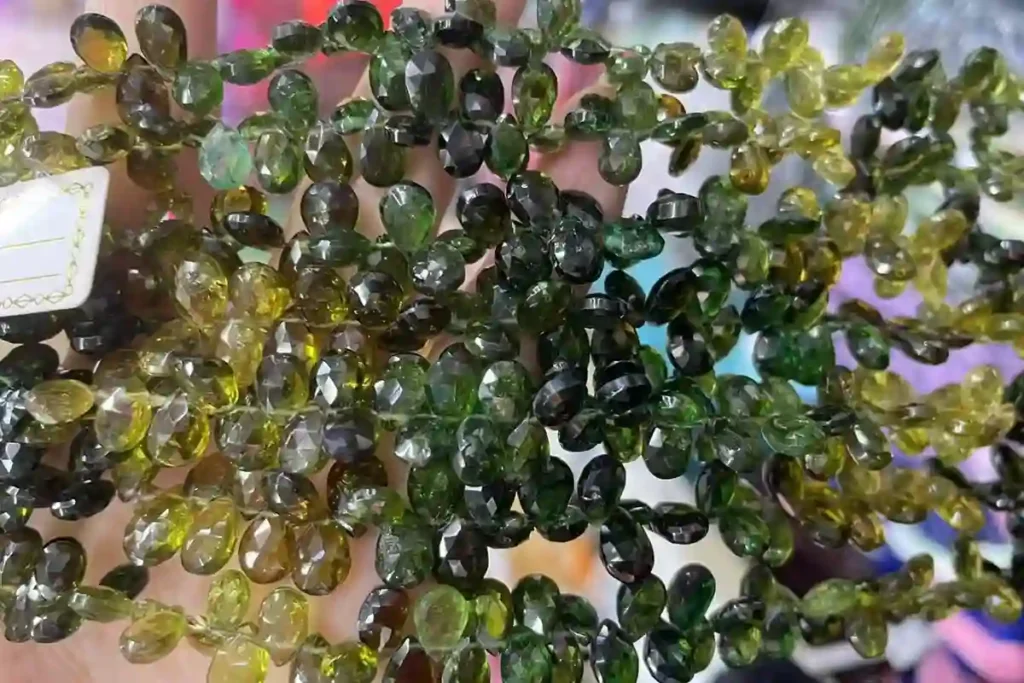
Green Tourmaline Meaning and Symbolism
The meaning of green tourmaline is often linked to renewal, compassion, and steady personal growth. In modern crystal traditions, its green shades evoke leaves, forests, and the return of life in spring. People may choose it as a reminder to welcome change, care for relationships, or make time for nature.
These associations offer several ways to give the stone personal meaning:
- Growth and renewal: A symbol of starting again or building better habits.
- Compassion: A reminder to treat yourself and others with patience.
- Connection with nature: An expression of appreciation for the natural world.
- Abundance: A symbol of opportunity and gratitude, rather than a promise of financial success.
Green tourmaline stone meaning can also shape the intention behind a gift. A pendant might mark a new beginning, while a bracelet could serve as a daily reminder of a personal goal. The significance comes from the wearer’s beliefs and experiences.
Dark Green Tourmaline Meaning
Dark green tourmaline meaning often emphasizes rootedness, persistence, and a sense of stability. Within contemporary crystal symbolism, deeper green shades may suggest mature forests and lasting growth, while lighter shades can evoke freshness and new beginnings. These interpretations vary; there is no universal system that assigns a fixed meaning to each shade.
A darker color does not establish stronger spiritual properties or higher quality. Gemstone value depends on physical characteristics. As GIA explains, some dark green tourmalines absorb enough light to look nearly black from certain directions, which can reduce their visual appeal. Choose a shade for its appearance and personal significance, then assess quality separately.

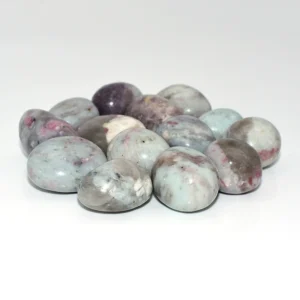
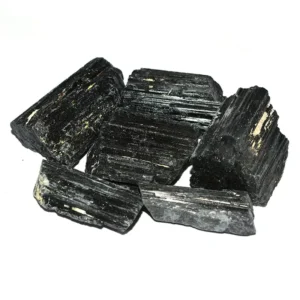
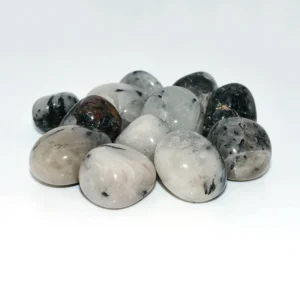
Green Tourmaline Metaphysical and Healing Properties
Green tourmaline metaphysical properties describe the spiritual qualities attributed to the stone in crystal traditions. Common themes include compassion, reflection, and a sense of connection with the natural world. These beliefs offer a symbolic framework for personal practice; they are not measurable mineral properties.
The phrase green tourmaline healing properties is also common in crystal writing. Here, it refers to those traditional associations. Claims that the stone treats illness, removes toxins, or protects against harmful radiation should not be presented as established benefits.
Heart Chakra and Emotional Symbolism
In modern chakra practices, green tourmaline is associated with the heart chakra, an energy center linked to love, empathy, and relationships. Some people use the stone during quiet reflection as a reminder to approach difficult feelings with patience.
For example, holding a crystal while journaling can provide a focus for questions such as “What do I need?” or “How can I respond with kindness?” The stone serves as a personal cue within the practice, without promising a particular emotional outcome.
Spiritual Growth, Nature, and Abundance
Green tourmaline spiritual meaning also includes growth through everyday choices. A wearer might connect it with spending more time outdoors, showing gratitude, or taking steady steps toward a goal.
References to green tourmaline stone benefits often include abundance and prosperity. Within this belief system, abundance can represent appreciating resources, relationships, and opportunities. Wearing the gemstone does not guarantee money, business success, or good luck.
Astrology and Zodiac Associations
Some contemporary crystal guides associate green tourmaline with Libra or Capricorn, although correspondences differ between sources and traditions. There is no single accepted zodiac assignment.
Anyone can choose green tourmaline for its color, symbolism, or jewelry design. Although astrology may add personal significance, it does not establish who must wear the stone. Instead, consider your preferences and how you plan to use or wear it.
How to Use and Wear Green Tourmaline
Green tourmaline gemstone benefits include its appeal for jewelry, its interest as a mineral specimen, and its personal symbolic value. For example, you might choose a polished gem for a ring or a loose crystal for display. Your choice depends on your taste, budget, and intended use.
Rings, Bracelets, and Other Jewelry
Green tourmaline jewelry offers several ways to enjoy the stone’s color. For example, a faceted gem can serve as the centerpiece of a ring, while polished beads work well in stone bracelets and stone necklaces.
When choosing a green tourmaline ring, consider how often you will wear it. A low setting with metal around the stone’s edges can offer some protection from accidental knocks. However, any gemstone ring needs care during work or activities that could damage it.
A green tourmaline bracelet, meanwhile, allows you to enjoy several shades together. For a coordinated look, compare the beads under the same lighting and check their size, polish, and color balance. Natural variation can be attractive, but the overall appearance should suit your design.
Pendants and earrings offer another option, particularly if you prefer jewelry that receives fewer direct knocks than rings or bracelets.
Meditation and Personal Display
Some people include green tourmaline in meditation as a focus for an intention. You might hold a smooth stone, take a few slow breaths, and reflect on a quality you want to practice, such as patience or gratitude.
Alternatively, place a specimen on a shelf or desk where you can appreciate its color and crystal form. If you connect with green tourmaline meaning, it can also serve as a visual reminder of a personal goal.
Neither practice requires an elaborate ritual. Choose an approach that feels meaningful and fits comfortably into your day.
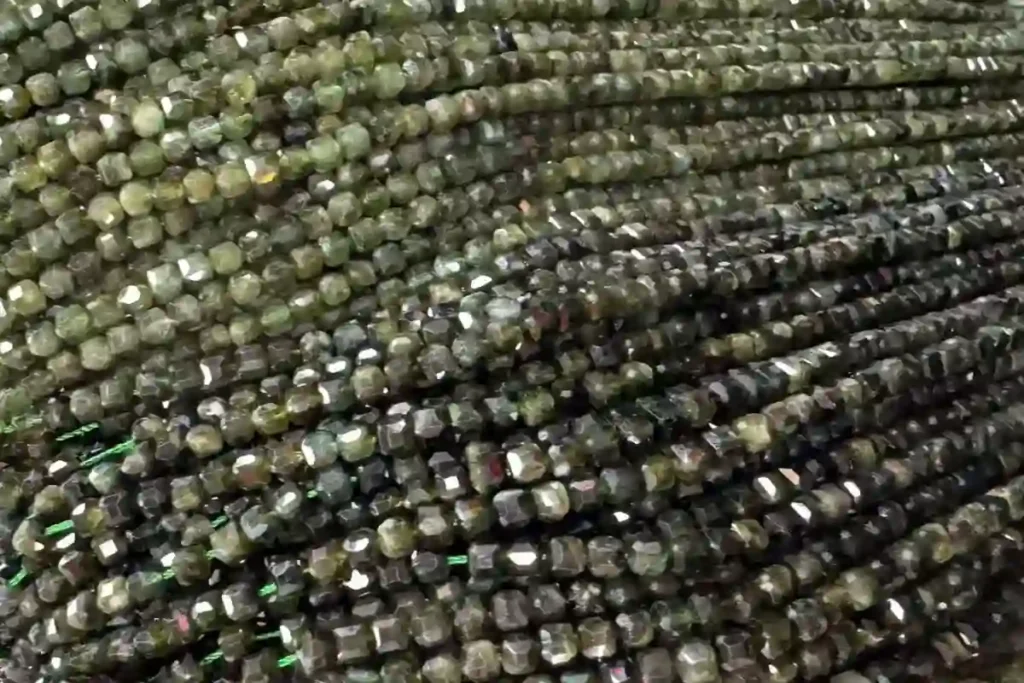
Green Tourmaline Price and Buying Tips
Green tourmaline price varies with color, clarity, size, and workmanship. However, a strand of beads and a fine faceted gemstone serve different purposes, so their prices should be compared within the same product category.
According to GIA’s tourmaline buying guide, color is the most important quality factor. Nevertheless, a useful buying decision also considers the stone’s condition, any disclosed treatments, and its suitability for your design.
Use these checks when comparing offers:
| Factor | What to check |
|---|---|
| Color | Compare pieces under similar lighting, including how dark they look from different angles |
| Clarity and condition | Ask for close views of visible inclusions, surface cracks, and chipped edges |
| Size | Confirm measurements rather than relying on photos alone |
| Workmanship | Examine polish, bead shape, drill holes, or the finish of a cut gem |
| Treatment disclosure | Ask what treatments are known and whether a relevant laboratory report is available |
| Price basis | Confirm whether the quote is per stone, carat, strand, bracelet, or weight |
For bead orders, also confirm strand length, hole size, size tolerance, and the range of colors included. For example, a sample strand may show an attractive green mix, but a larger order could contain more dark beads. Therefore, request photos or video of the actual batch and agree on acceptable variation before ordering.
For faceted gems, focus on the individual stone. Compare its appearance, dimensions, and condition with gems of similar quality. A larger stone does not automatically offer better value for your project.
Finally, separate appearance from identification. Neither a flawless look nor visible inclusions can prove that a stone is genuine. For a significant purchase, an independent gemological report can provide more useful evidence than a seller’s grade label alone.
How to Clean and Care for Green Tourmaline
Gentle cleaning helps keep green tourmaline free of surface dirt and oils. According to GIA’s tourmaline care guidance, warm, soapy water is the best cleaning method. Heat, however, can damage the stone, so avoid hot water and sudden temperature changes.
For a loose polished stone or suitable jewelry piece, follow these steps:
- Mix a little mild soap with lukewarm water.
- Gently clean the surface with a soft cloth or soft brush.
- Rinse away the soap, provided the whole piece is suitable for rinsing.
- Pat dry with a clean, soft cloth.
Before cleaning finished jewelry, check its other materials. For example, elastic cord, glued components, plated metal, or neighboring gemstones may need different care. If the construction or treatment status is unknown, ask the seller before soaking the piece.
For storage, use a separate pouch or a lined compartment to reduce contact with other jewelry. Also, remove rings and bracelets before heavy work, sports, or tasks that could cause hard knocks.
Physical cleaning and spiritual cleansing serve different purposes. Some crystal practices include rituals intended to refresh a stone’s symbolic energy. If you enjoy these practices, quiet reflection or placing the stone on a clean cloth avoids unnecessary exposure to salt, soil, or heat.
Finally, prolonged sunlight is not needed for routine care. GIA notes that some irradiation-induced colors can fade with heat or bright light. Therefore, avoid leaving a piece on a hot windowsill, particularly when its treatment history is unknown.
Frequently Asked Questions
Who Should Wear Green Tourmaline?
Anyone who enjoys green gemstones can wear green tourmaline. Some choose it for its symbolism, while others prefer its color. For everyday jewelry, consider the setting, comfort, and activities that might expose the stone to hard knocks.
What Does Green Tourmaline Do Spiritually?
In modern crystal traditions, green tourmaline represents compassion, growth, and a connection with nature. It is also associated with the heart chakra. People may use it during reflection or meditation, although these spiritual associations are beliefs rather than scientifically established effects.
How Rare Is Green Tourmaline?
Green tourmaline is available in a range of qualities, so rarity depends on the material. Fine gems with attractive color, high clarity, and substantial size are less readily available. Therefore, a commercial bead strand and a large, clean faceted gem should not be described as equally rare. GIA’s quality guide explains how quality and size affect availability and value.
Who Should Not Wear Tourmaline?
There is no evidence-based zodiac restriction on wearing tourmaline. However, anyone with sensitivity to a jewelry component should check the metal, plating, or cord. Also, remove the piece during activities that could catch the jewelry or damage the stone.
Is Green Tourmaline Worth Anything?
Yes, green tourmaline has commercial value, but prices vary widely. Color, clarity, size, workmanship, and treatment status all matter. In addition, finished jewelry includes the value of its metal and construction. A seller’s asking price does not guarantee the same resale value.
Conclusion
Green tourmaline meaning brings together themes of growth, compassion, and renewal. Whether you value its symbolism or simply enjoy its green shades, choose a piece that suits your taste and intended use. When buying, also compare its condition, workmanship, and treatment information.
For business orders, clear specifications help make comparisons easier. Share your preferred product form, size, color range, and quantity with Rocrystal through WhatsApp or our inquiry form. Include reference photos so we can better understand your requirements.
References
- GIA — Tourmaline Overview: Background on the tourmaline family, crystal structure, and color varieties.
- GIA — Tourmaline Quality Factors: Color, clarity, cut, size, and their influence on gemstone value.
- GIA — Tourmaline Buyer’s Guide: Buying considerations, identification reports, treatment disclosure, and care.
These gemological sources support the mineral and buying information in this article, rather than its spiritual interpretations.
Disclaimer
Spiritual meanings, chakra associations, and crystal healing traditions are presented for cultural and informational purposes. They are not scientifically established medical benefits. Green tourmaline should not replace professional healthcare, diagnosis, or treatment.