
Kambaba Jasper Meaning: Earthy Beauty, Spiritual Symbolism, and Wholesale Buying Insights
Written by: Rocrystal Sourcing & QC Team, Last updated: April 11, 2026
What Is Kambaba Jasper and Why Does Its Meaning Matter?
What Is Kambaba Jasper?
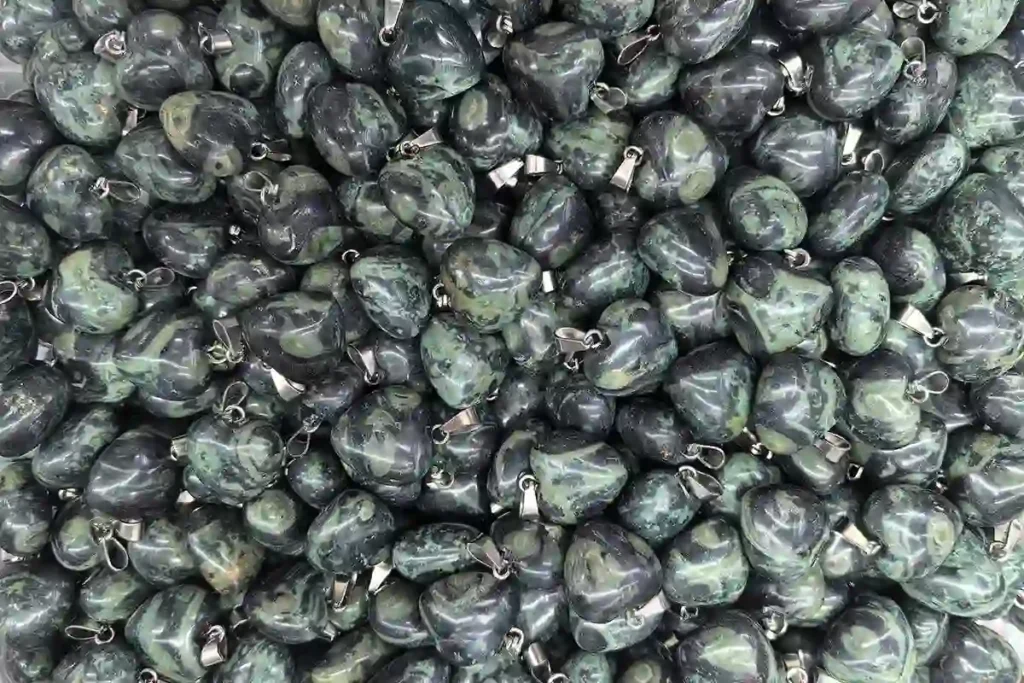
Kambaba Jasper is a dark green stone with black circular markings that often look like eyes, swirls, or soft natural spots. Many people notice it because it feels different from brighter materials. It does not rely on sparkle or strong shine. Its appeal comes from its deep color, earthy pattern, and quiet presence. When you look at it closely, the surface often feels calm, ancient, and connected to nature in a way that is easy to remember.
In the stone trade, visual character matters a lot, and this material has a very recognizable one. Some pieces show a stronger green base, while others carry heavier black patterning. That contrast gives each stone its own look without losing the overall identity of the material. For buyers, this is important because a stone that looks distinctive is easier to display, easier to describe, and easier to sell across bracelets, pendants, beads, towers, palm stones, and tumbled pieces.
One reason this stone stands out is that many people say it reminds them of the Earth when seen from far away. The green areas can feel like land, while the black areas create depth and movement. That is part of why buyers often feel drawn to it even before they know its name. The appearance alone already tells a story. It feels grounded, natural, and a little mysterious, which gives it a strong place in crystal shops and wholesale product lines.
Why People Search for Kambaba Jasper Meaning
When people search for Kambaba Jasper Meaning, they usually want more than a simple one-line definition. Some want to know the symbolic side of the stone. Others want to understand why it is often connected with peace, grounding, and emotional balance. Many also want to know whether the meaning matches the way the stone looks and feels in real life. In other words, they are not only asking what the stone is called. They are asking what it represents.
That question matters because stone meaning often shapes buying decisions. A customer may first notice the color and pattern, but the final decision often comes from the story behind the material. If a stone is linked with calm, stability, nature, and quiet strength, it becomes easier for a buyer to imagine wearing it, gifting it, or placing it in a meaningful collection. This is why Kambaba Jasper meaning and uses is a common search path. People want both emotional value and practical direction.
In many cases, the meaning of a stone does not come from abstract language alone. It also grows from appearance, customer response, and the way the material is used over time. Kambaba Jasper is a good example of that. Its deep green and black pattern already suggests something earthy and steady. Buyers often read that feeling from the stone before anyone explains it to them. The symbolism works because the visual impression supports it.
Why This Stone Appeals to Buyers and Sellers
For sellers, this material works well because it has both visual identity and a strong story. For buyers, it feels natural, wearable, and easy to connect with. It is not too loud, and that helps it fit many product styles. A bracelet can feel understated but still interesting. A pendant can look earthy without becoming dull. Loose beads can work in jewelry lines that focus on darker greens, grounding stones, or nature-inspired themes.
From a wholesale angle, that balance is valuable. Stones that are too plain can be hard to market, while stones that are too flashy may have a narrower audience. Kambaba Jasper sits in a useful middle space. It has enough character to stand out, but it is still easy to pair with silver findings, simple cord work, mixed-stone bracelets, and natural display collections. That broad usability is one reason it continues to attract interest from both retail customers and bulk buyers.
So before we go deeper into origin, symbolism, and sourcing, it helps to understand one simple point: this stone matters because it combines appearance, feeling, and market appeal in a very natural way. That is what gives it staying power. Its story does not depend on hype. It comes from how people respond to it, how it looks in finished products, and how easily it fits into real buying behavior.
Science, Origin, and What Kambaba Jasper Is Made Of
Where Is Kambaba Jasper Found?
One of the most common questions buyers ask is where this stone comes from. That makes sense, because origin often affects trust, pricing, and how easy it is to explain the product to customers. When people search Kambaba Jasper where is it found, they are usually not asking only for geography. They also want to know whether the material is natural, whether the source is stable, and whether it is a stone worth adding to their collection or product line.
In the crystal market, stones with a clear source story are usually easier to sell. Buyers like knowing where a material comes from because it gives the product more identity. It also helps online sellers write better descriptions, answer customer questions, and build confidence with people who care about natural stones. For wholesale buyers, origin matters in a more practical way too. It can influence consistency, supply, and how often a certain quality level is available.
Kambaba Jasper is generally discussed in the trade as a stone associated with old geological material and a very distinctive appearance. What makes it stand out is not only the location story, but also the way its surface looks almost organic. The pattern does not feel random in the same way as many other stones. Instead, it gives people the sense that the material carries a landscape, a memory, or some kind of natural imprint. That is one reason origin becomes part of the buying conversation.
Geology, Formation, and Mineral Background
For most buyers, the scientific side of this stone only matters when it helps explain the look. Kambaba Jasper stands out because of its deep green body color and dark circular markings. Those patterns are the main reason people remember it. Some pieces show tighter, clearer circles, while others have broader and softer patterning. That natural variation is part of the material’s appeal and gives finished products a more earthy, authentic look.
In wholesale, pattern matters more than many buyers expect. Two pieces may be the same material, but the final effect can look very different depending on how clear the markings are and how naturally the green and black areas are distributed. Stones with stronger contrast often look more distinctive in bracelets, pendants, and tumbled pieces. For most buyers, the practical takeaway is simple: better pattern usually means better visual impact.
Is Kambaba Jasper Toxic?
Some shoppers also search Kambaba Jasper toxic, usually because they want reassurance before wearing it, carrying it, or placing it around the home. In normal crystal and jewelry use, this question is usually more about peace of mind than actual daily risk. Buyers want to know whether the stone is suitable for regular handling and whether it can be sold with confidence in bracelets, beads, pendants, tumbled stones, and display pieces.
For ordinary finished products, this is not usually the kind of stone people avoid for simple display or wear. In the market, it is commonly sold in forms that are meant to be handled, worn, collected, or placed in living spaces. Still, it is always smart to treat any stone product with basic care. That means not using it in unsafe ways, not turning it into powder, and not presenting spiritual products as medical tools. A calm, practical explanation always builds more trust than exaggerated claims.
For wholesale sellers, the best approach is to keep the description simple and responsible. Focus on appearance, symbolism, and intended product use. If customers ask safety-related questions, answer in a grounded way. That helps protect trust and keeps the product presentation professional. In most cases, what buyers really want is reassurance that the material is suitable for normal retail use, and that is the most useful way to address the question.
Mining, Cutting, and Common Treatments
Like many natural stone products, Kambaba Jasper goes through several stages before it becomes a finished item. Rough material is selected, cut, shaped, drilled when needed, then polished or finished depending on the product style. This matters because the way the stone is worked has a direct effect on how the pattern appears. A good cut can make the circles and contrast look clearer, while a poor cut can make the same material feel flat or unremarkable.
For that reason, buyers should not judge the stone by name alone. A good Kambaba Jasper bracelet, pendant, or tumbled stone depends not only on the material itself, but also on how well the maker brings out its surface character. In wholesale, that is especially important. Customers are often drawn to the pattern first, so the cutting and finishing process should support that natural look rather than weaken it. When the material is handled well, the result feels more distinctive, more natural, and more valuable.
Kambaba Jasper Meaning, Symbolism, and Spiritual Associations
Core Symbolism of Kambaba Jasper
When people talk about the symbolic side of this stone, they usually focus on calm, grounding, and a deeper link to the natural world. That is easy to understand once you look at the material itself. The dark green surface and black circular patterns do not feel bright or restless. Instead, they give off a slow, steady impression. That is why many buyers connect the stone with peace, quiet strength, and emotional balance rather than excitement or intensity.
The symbolism also feels believable because it matches the visual experience. Some stones are given meanings that feel disconnected from how they actually look, but this one is different. Kambaba Jasper has an earthy, rooted appearance, so people naturally associate it with stability and connection. In that sense, Jasper Meaning is not only something explained in crystal books. It is also something many buyers feel immediately when they see or hold the stone for the first time.
Spiritual Associations and Inner Balance
In the crystal market, many people describe this material as supportive during quiet reflection, meditation, and emotional reset. The focus is usually not on sharp or dramatic energy. Instead, it is often linked with a softer, deeper kind of support that helps people slow down and feel more centered. That is why kambaba jasper spiritual meaning is often described in terms of grounding, patience, and inner calm.
Some buyers are drawn to stones that feel uplifting and bright, while others prefer stones that feel steady and protective in a more subtle way. Kambaba Jasper often fits the second group. It is commonly chosen by people who want something that feels close to nature and less visually aggressive. In product language, that makes it easier to position for customers who like earthy stones, meditation tools, or jewelry that carries a quiet symbolic message.
This is also where the idea of kambaba jasper crystal meaning becomes practical for sellers. A stone with a clear emotional tone is easier to explain in product descriptions, gift guides, and display cards. Buyers do not need a complicated story. They usually respond well to simple associations such as stillness, balance, grounding, and a sense of being connected to the Earth. That kind of symbolism is easier to understand and easier to sell.
Kambaba Jasper Chakra Connections
Many sellers and crystal users connect this stone with the root chakra because of its grounding feel and heavy earth-like visual character. Others also associate it with the heart chakra because of the deep green color. That combination makes sense in a commercial setting. It allows the stone to be described as both stabilizing and emotionally soothing without sounding too extreme. This is one reason Kambaba Jasper chakra is a phrase people often search before making a purchase.
For wholesale buyers, chakra language can also help with merchandising. Products linked to root energy often sell well in collections built around grounding, protection, or emotional steadiness. Products linked to heart energy fit naturally into collections centered on peace, self-care, and healing gifts. Kambaba Jasper can work in both directions, which gives sellers more flexibility in how they group it with other stones and how they explain it to customers.
Color Energy and the Earth-Like Visual Meaning
The color of this stone plays a big role in how people interpret it. Deep green usually suggests nature, growth, and quiet renewal, while the black markings add depth, contrast, and a sense of mystery. Together, they create a look that feels ancient and grounded. This is why many people feel that the meaning of kambaba jasper comes directly from the visual surface. The stone does not need bright color to make an impression. Its strength comes from tone, balance, and natural pattern.
That Earth-like appearance also helps explain why so many buyers feel emotionally attached to it. It often looks like a tiny landscape, or even like a distant view of land and shadow. That visual effect gives the stone a symbolic value that feels intuitive rather than forced. In product storytelling, this is very useful. Buyers often trust a stone’s symbolism more when the appearance and the message support each other in a natural way.
Zodiac, Birthstone, and Symbolic Traditions
Some crystal sellers also connect this material with zodiac and birthstone traditions, although these are usually secondary to its grounding image. In most cases, buyers are more interested in the stone’s look, feel, and practical use than in strict astrological matching. Still, symbolic traditions can help add another layer of interest, especially for gift buyers who like a little extra meaning behind the product.
For that reason, it is fine to mention these traditions, but they should not dominate the article. The strongest value of this stone still comes from its visual identity, calm symbolism, and real-world product appeal. That balance is important for a wholesale-focused article. It keeps the content useful for both crystal readers and serious buyers who care about what the material means, how it sells, and why people continue to choose it.
Kambaba Jasper Benefits and Everyday Uses
Kambaba Jasper Benefits in Daily Life
When buyers look up Kambaba Jasper benefits, they are usually trying to understand how this stone fits into everyday use rather than abstract theory. In real life, its appeal often comes from the feeling it creates. It looks calm, natural, and steady, which is why many people like wearing it during a busy workday or keeping it nearby in a space where they want a quieter mood. The benefit is often less about dramatic change and more about the atmosphere the stone brings.
That is one reason this material has a wide audience. Some buyers want a stone that feels personal but not too flashy. Others want something that suits natural interiors, gift sets, or simple jewelry lines. Kambaba Jasper works well in both cases because it carries a grounded look that feels easy to live with. In product language, that makes it easier to position as a stone for calm style, nature-inspired gifts, and collections built around balance and steady energy.
Many people also talk about Kambaba Jasper benefits spiritual in a soft, practical way. They may say the stone helps them slow down, feel more rooted, or stay emotionally settled. For sellers, the best way to present that is with balance. It is fine to mention the common spiritual associations, but it should always be done in a way that sounds responsible. Buyers usually trust this approach more because it respects the symbolic side of the stone without turning it into an exaggerated claim.
Common Uses in Jewelry and Crystal Products
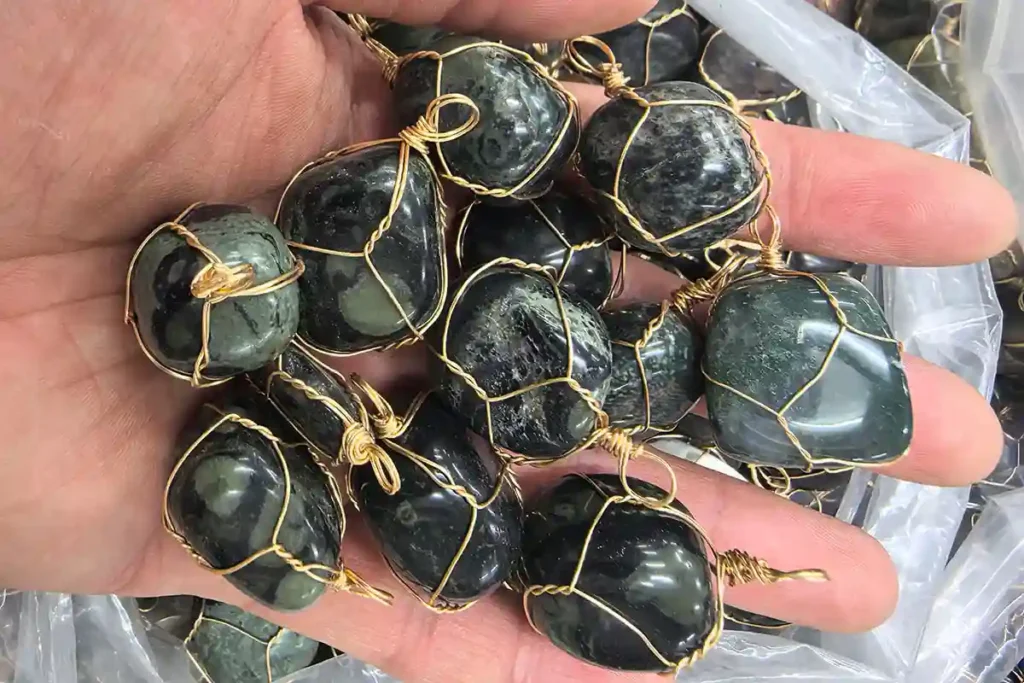
This material works across a wide range of products because the pattern stays attractive in many forms. Bracelets are one of the most common uses because the deep green and black contrast looks strong in bead form. Loose beads also sell well to jewelry makers who want a darker natural stone that still has character. Pendants, palm stones, hearts, and tumbled stones are also popular because they give the pattern more surface area to show its detail.
From a wholesale perspective, Kambaba Jasper meaning and uses are closely connected. A stone that carries a calm, grounded image naturally works well in wearable and giftable products. Bracelets feel personal and easy to pair with daily outfits. Tumbled stones are simple entry products for crystal shops. Pendants and carved shapes appeal to buyers who want a more visual or symbolic piece. This makes the stone flexible across both retail and resale channels.
It also fits many kinds of store presentation. A crystal shop can place it in a grounding or meditation section. A jewelry seller can use it in earthy bracelet lines. A gift store can add it to nature-themed items or low-key spiritual gifts. Because the material is visually distinct without being too loud, it adapts well to different product styles and customer types. That flexibility is one reason it continues to move steadily in the market.
Meditation, Display, and Personal Carry
Beyond jewelry, many buyers like using this stone in simple daily routines. Some keep a piece on a desk, some carry a tumbled stone in a pocket or bag, and others place it near a bed or reading area. The reason is usually the same: the stone has a quiet look that supports calm surroundings. It does not demand attention, but it still changes the feel of a space. That makes it easy to use in a natural and low-pressure way.
It is also a good display stone because the pattern often looks better the longer you observe it. On a shelf, tray, or tabletop, it gives depth without overwhelming other pieces. In this way, the kambaba jasper stone meaning becomes part of home display as much as personal wear. The stone is often chosen not only for what people believe it symbolizes, but also for the simple fact that it looks stable, earthy, and visually comforting in everyday settings.
Why Kambaba Jasper Sells Well Across Product Types
Some stones work only in one format, but this one performs well in several. That matters for both wholesalers and store owners. A material that works in beads, pendants, carvings, towers, and tumbled stones gives buyers more ways to build a collection around one visual theme. It also makes restocking easier, because one material can support several product lines at the same time.
That broad use is part of the reason Kambaba Jasper keeps steady demand. It appeals to customers who like natural-looking stones, earthy colors, and symbolism connected to calm and grounding. It also gives sellers a product that feels both meaningful and commercially practical. In a market where many stones compete for attention, that balance matters. Kambaba Jasper may not be the loudest material in the room, but it often becomes one of the most dependable.
Personal Experience with Kambaba Jasper in Wholesale
Why We Sometimes Call It “New Sparrow Eye Stone”
In our trade, Kambaba Jasper is sometimes called “new sparrow eye stone” because the black spots on the surface look a bit like bird eyes. The overall mix of deep green and black also reminds many people of the Earth. There is also an older variety that some sellers call “old sparrow eye stone.” Compared with that older material, the newer one usually has a darker green surface and a more stable overall look, while the older type often appears more mixed and colorful.
That trade language may sound simple, but it helps explain why this stone has such a strong identity in the market. Buyers often remember it because of the pattern before they remember the name. In a product line filled with many green stones, that kind of recognition matters. It gives the material a story that feels natural and easy to understand, especially for customers who are attracted to darker, earthier stones rather than bright, polished-looking materials.
Why This Stone Grows on Buyers Over Time
From my experience, this is not a stone that looks extremely flashy at first glance. It is the kind of material that becomes more attractive the longer you look at it. What really draws people in is its natural pattern and quiet feeling. The mix of green and black gives it a calm, mysterious look, and in many pieces, it really does resemble the colors of the Earth. When worn as jewelry, it feels low-key rather than loud, which is one reason many buyers are drawn to it.
That slow appeal is important in actual sales. Some materials win attention instantly because they are bright or shiny, but they do not always hold interest for long. Kambaba Jasper works in a different way. It tends to attract buyers who want something deeper, quieter, and more natural. In my view, that is a big part of Kambaba Jasper Meaning in the real market. It is not only about symbolism on paper. It is also about the kind of feeling the stone creates when people wear it or keep it close.
What US and European Buyers Tend to Like
In the wholesale market, this material has sold well for us in the US and Europe. Bracelets, loose beads, pendants, tumbled stones, towers, and other shaped items all have steady demand. Some of our customers have told us they like carrying a stone that reminds them of the Earth, almost like keeping a small piece of home and nature close to them. That response has helped me understand why so many buyers connect this material with grounding, peace, and a deeper connection to the natural world.
It also performs well because it is easy to fit into different product styles. A bracelet feels understated and wearable. A pendant gives the pattern more room to stand out. Tumbled stones and towers work well for crystal displays, gift shops, and personal collections. When one material can support many product types without losing its identity, it becomes much easier to restock and recommend. That is one reason this stone has remained a stable seller instead of a short-term trend.
What We Look for When Buying Rough Material
When we buy rough material, we do not judge it only by how dark or light the green is. We pay more attention to the pattern distribution. Rough stones with clearer markings and stronger natural contrast usually produce better finished pieces. In other words, good material is not only about color depth. It is about whether the pattern feels balanced, natural, and distinctive. When the texture is right, the final product looks more beautiful and has much stronger character.
This matters even more in bulk orders. A buyer may only see sample photos at first, but once the full shipment arrives, consistency becomes very important. If the pattern is too weak or the surface looks muddy, the finished products can lose the visual character that made the stone appealing in the first place. That is why we care so much about rough selection before cutting and polishing. Better raw material usually leads to better recognition, better display value, and fewer quality complaints later.
If you are sourcing Kambaba Jasper for resale, we can share current stock styles, product photos, and bulk options through WhatsApp or our inquiry form. This is especially useful if you want to compare beads, bracelets, pendants, tumbled stones, or other shapes before placing an order.
Buying Guide, Price, and What to Check Before You Order
Is Kambaba Jasper Rare?
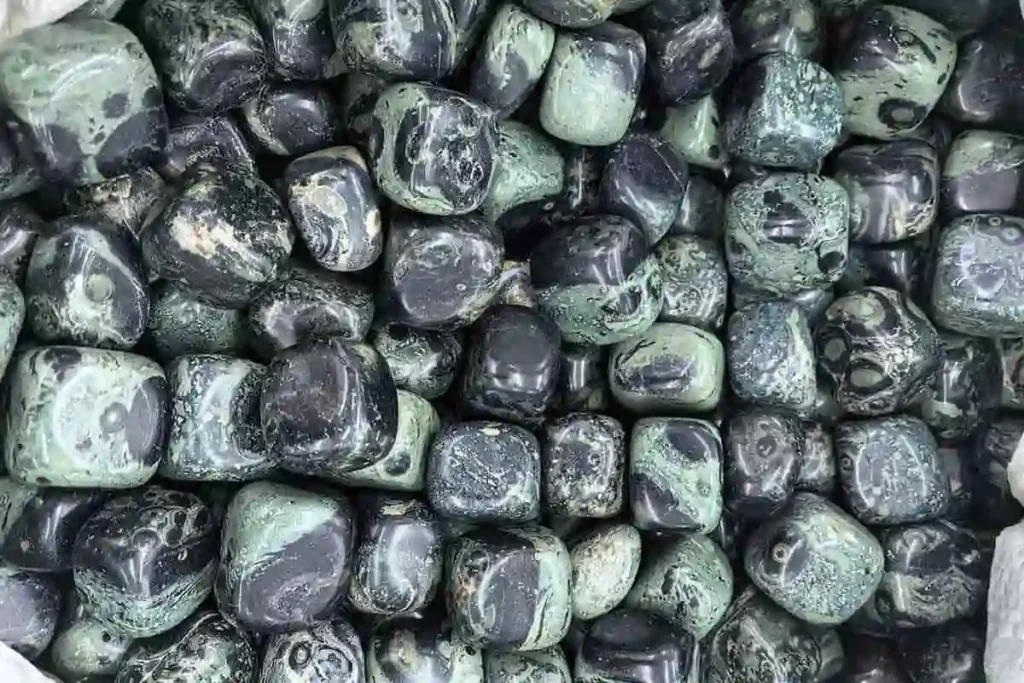
A lot of buyers ask whether this stone is rare, especially when they see strong patterning or darker, more attractive pieces. In market terms, Kambaba Jasper is not usually treated as an ultra-rare collector stone, but that does not mean all material is equal. The real difference often comes from pattern quality, color balance, finish, and how well the material works in finished products. That is why some pieces feel ordinary while others stand out right away.
For wholesale buyers, rarity is less important than consistency. A stone does not need to be rare to sell well. It needs to look good, fit the product type, and arrive in a quality level that can be used across a full batch. In practice, many buyers care more about whether the material is stable, recognizable, and easy to resell than whether it is considered rare in a technical or collector sense.
What Affects Kambaba Jasper Price?
When people search Kambaba Jasper Price, they often expect one fixed answer, but the price can change a lot depending on the material and the product form. Rough material with stronger contrast and clearer pattern usually carries more value than pieces with a muddy or uneven surface. Size also matters. Larger beads, cleaner pendants, stronger carvings, and better-matched batches often cost more because they require better rough and more careful processing.
Finish quality is another important factor. Two items made from the same type of stone can look very different after cutting and polishing. A well-finished bracelet with balanced pattern distribution usually feels more valuable than one made from flatter, less distinctive beads. The same is true for pendants, towers, and tumbled stones. For resale, appearance affects price almost as much as the material name itself.
How Wholesale Buyers Can Judge Quality
For bulk buyers, the first thing to check is pattern distribution. This stone depends heavily on visual character, so the markings should feel natural and clear rather than crowded, dull, or too weak. The green and black areas do not have to look identical from piece to piece, but the batch should still hold a recognizable overall style. If the contrast disappears, the product loses much of its appeal.
The second thing to check is finish. Beads should be drilled cleanly, and hole placement should avoid damaging the strongest pattern areas. Tumbled stones and pendants should look smooth and polished while still keeping the natural character of the material. Towers and carvings also need good overall shape. Even a stone with strong pattern can look disappointing at retail if the finishing is poor.
Batch consistency is also important. For online sellers and crystal shops, one good sample is not enough. The full order should stay close in quality, tone, and overall appearance. This is especially true if you are building a bracelet line, bead strand collection, or mixed product series. Reliable quality makes photography easier, listing descriptions more accurate, and customer satisfaction more stable over time.
Best Product Types for Different Buyers
Different buyers tend to prefer different formats. Crystal shops usually do well with tumbled stones, towers, hearts, and palm-style pieces because these show the pattern clearly and work well in display. Jewelry makers often prefer loose beads and simple pendants because the material pairs well with darker natural stones, silver findings, and earthy designs. Gift retailers often like bracelets because they are easy to wear, easy to explain, and easy to package.
For wholesale sellers, this is where planning matters. Instead of treating the material as a single product, it is better to think of it as a flexible visual theme that can be used across several categories. That approach helps you build a stronger line and makes restocking more practical. A stone with this kind of pattern can support both symbolic selling and simple visual selling, which is one reason it remains commercially useful.
FAQ
What does Kambaba Jasper do spiritually?
Many people believe Kambaba Jasper supports calm, grounding, and a stronger sense of emotional balance. In crystal use, it is often chosen by people who want a stone that feels quiet rather than intense. The deep green color and dark circular pattern give it a steady, earthy presence, so buyers often connect it with slowing down, staying centered, and feeling closer to nature. In a practical product setting, this makes it easier to describe as a stone associated with peace, reflection, and inner steadiness.
Is Kambaba Jasper a rare stone?
Kambaba Jasper is not usually treated as an ultra-rare collector stone, but better-looking material can still be harder to source consistently. What makes one batch feel more valuable than another is usually not rarity alone. It is the pattern, contrast, finish, and how attractive the stone looks in finished products. For wholesale buyers, a stable supply of recognizable quality often matters more than whether the material is called rare. Good visual consistency is usually the bigger selling point.
How do you cleanse Kambaba Jasper?
People use different methods, but the simplest approach is usually the best. A soft cloth, clean water when appropriate, and basic gentle handling are enough for physical care. For spiritual cleansing, some people prefer moonlight, incense, sound, or simply setting the stone aside with intention. The important thing is to avoid harsh treatment that could damage the finish. In retail content, it is usually better to keep this answer simple, practical, and respectful of different customer preferences.
What zodiac is Jasper good for?
Jasper is often linked with grounding, steadiness, and protective symbolism, so different sellers may associate it with more than one zodiac sign. In practice, most buyers do not choose Kambaba Jasper only because of zodiac tradition. They usually choose it because they like the look, the feeling, and the symbolism of calm and connection to nature. Zodiac associations can add interest, especially for gifts, but they are usually a secondary reason rather than the main one.
What birth month is jasper?
Jasper is sometimes mentioned in traditional stone and symbolic gift discussions, but it is not always treated the same way across every chart or seller. That is why buyers may see different answers depending on the source. For product use, this is usually not a major issue. Most customers interested in Kambaba Jasper are more focused on its earthy look, peaceful symbolism, and everyday uses than on a strict birth-month connection.
Conclusion
Kambaba Jasper stands out because it offers more than a nice surface pattern. Its deep green color, dark circular markings, and earth-like appearance give it a clear identity that many buyers remember. That visual character is a big reason why people connect it with calm, grounding, and a stronger link to nature.
From a wholesale point of view, it is also a practical material. It works well in bracelets, beads, pendants, tumbled stones, towers, and other product types. When the pattern is clear and the finish is good, the stone becomes easy to display, easy to describe, and easy to resell across different customer groups.
For us, the value of this material comes from both meaning and market performance. It has a quiet appeal, but it holds attention over time. That balance is what makes it useful for sellers and meaningful for buyers.
If you are looking for bulk Kambaba Jasper products for resale, feel free to contact us through WhatsApp or our inquiry form for current stock, product photos, and wholesale options.
Disclaimer:
The information in this article is for general educational and product reference purposes only. Any spiritual or symbolic descriptions of Kambaba Jasper are based on traditional beliefs, customer interest, and cultural interpretation, not medical or scientific proof. This content is not intended as medical, legal, or professional advice. Buyers should evaluate products based on their own needs and market preferences.