
Pyrite Crystal Meaning: Benefits, Uses, Care, and Buying Guide
Written by: Rocrystal Sourcing & QC Team, Last updated: July 17, 2026
Pyrite catches attention with its bright metallic surface and gold-like color. Many people know it as “Fool’s Gold,” but this natural mineral has its own identity, history, and practical value. The Pyrite Crystal Meaning is often connected with confidence, action, prosperity, and personal strength. Beyond its spiritual symbolism, pyrite is also widely used in jewelry, home décor, polished stones, beads, carvings, and wholesale crystal collections.
People are often drawn to pyrite for more than its appearance. Some want to understand its spiritual symbolism, while others want to know how to wear it, where to place it, or whether it can get wet. Retailers and jewelry makers may also care about surface shine, oxidation, storage, and long-term display quality. These practical questions are just as important as the traditional Pyrite Crystal Meaning.
This guide explains the Pyrite Crystal Meaning and uses in a clear, practical way. You will learn how pyrite forms, why it is linked with wealth and motivation, how people use it in daily life, and how to clean and store it safely. It also includes buying advice for pyrite beads, jewelry, rough stones, and decorative pieces, especially for retailers and wholesale buyers.
What Is Pyrite and Why Is It Called Fool’s Gold?
What Pyrite Is
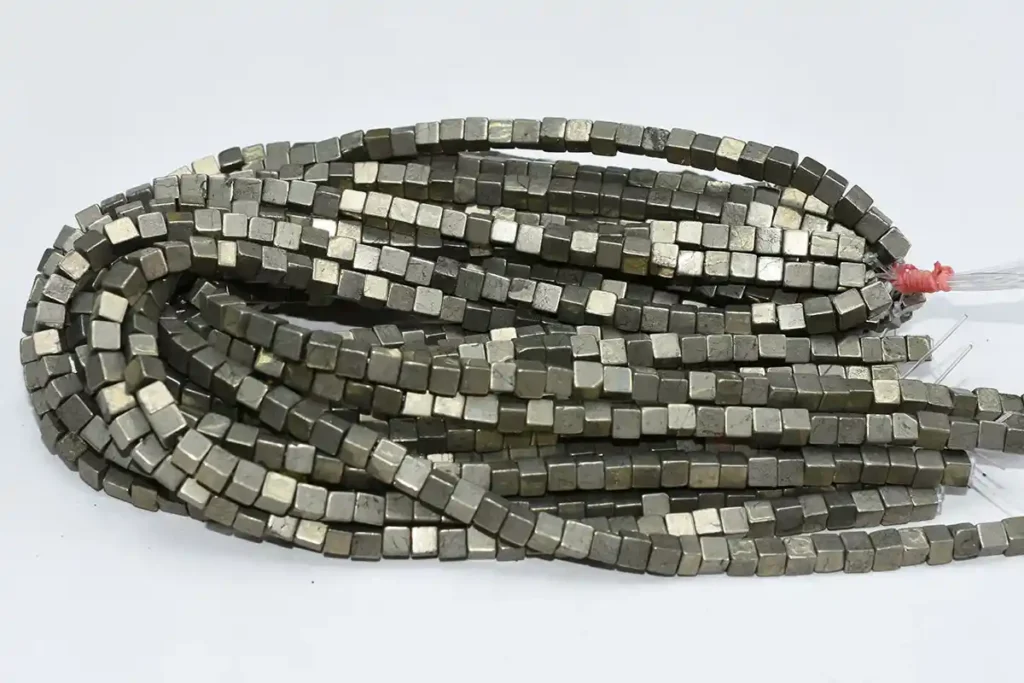
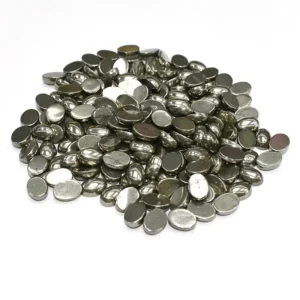
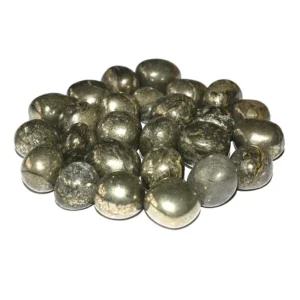
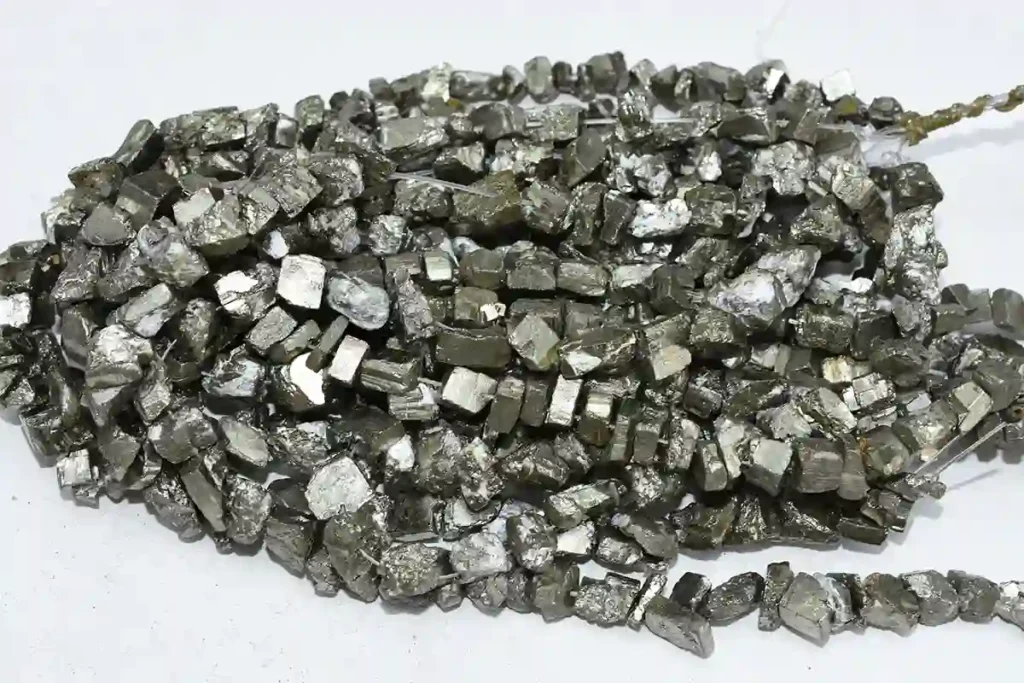
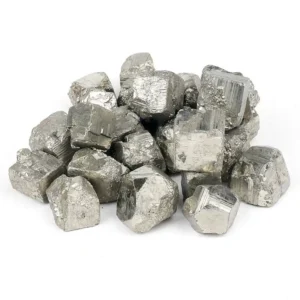
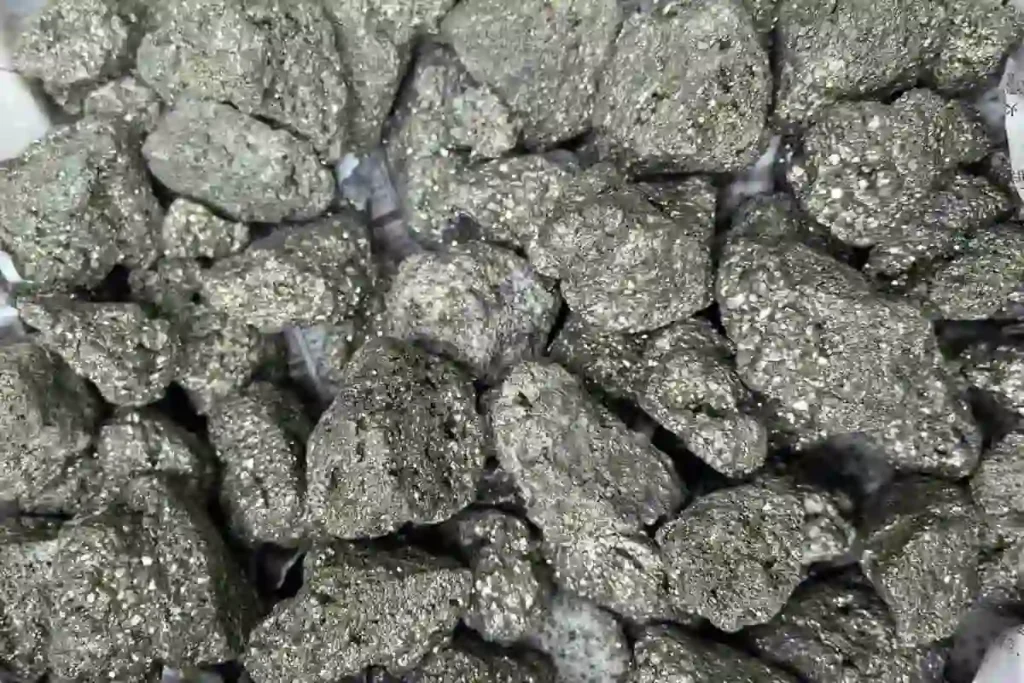
Pyrite is a natural mineral made mainly from iron and sulfur. It usually has a brassy yellow or pale gold color, along with a strong metallic shine. Natural pieces may form as cubes, clusters, rough stones, or small crystals attached to dark host rock. After cutting and polishing, manufacturers can also turn pyrite into beads, cabochons, towers, tumbled stones, rings, and decorative carvings.
Unlike gold, pyrite is hard and brittle. It does not bend or flatten easily, and its sharp crystal faces often help buyers identify it. The stone can look bright gold under strong light, but some pieces appear darker, grayish, or slightly bronze. These natural differences come from the raw material, surface condition, and oxidation level rather than from the stone being fake.
Pyrite Pronunciation and the Origin of Its Name
Pyrite pronunciation is simple: in American English, it sounds like “PIE-rite.” The name comes from a Greek word linked with fire. When pyrite strikes steel or another hard material, it can produce sparks. This feature made the mineral useful long before people began wearing it as jewelry or displaying it for spiritual purposes.
This connection with sparks explains why pyrite has been valued for practical reasons as well as for its appearance. In earlier times, people used it as a fire-starting material before modern tools became common. Today, most buyers know pyrite for its metallic beauty, jewelry uses, and symbolic meaning. Its name reflects its physical behavior, while the nickname “Fool’s Gold” comes from its visual similarity to real gold.
Fool’s Gold Compared With Real Gold
Pyrite earned the nickname “Fool’s Gold” because its bright yellow color and metallic shine can resemble real gold at first glance. However, the two materials behave very differently. Gold is soft, heavy, and easy to bend, while pyrite is harder, more brittle, and often breaks along sharp edges. Natural pyrite also commonly forms cubes or angular crystals, which real gold does not.
Another useful difference is the streak left by each material. Pyrite usually produces a dark greenish-black or brownish-black streak, while gold leaves a yellow streak. Pyrite may look valuable, but it is not imitation gold and should not be treated as a fake mineral. The fool’s gold pyrite crystal meaning comes from this long history of mistaken identity, while modern buyers value it for its bold appearance, natural crystal forms, and symbolic connection with prosperity.
Pyrite Crystal Meaning and Spiritual Symbolism
The Core Meaning of Pyrite
The Pyrite Crystal Meaning is closely connected with confidence, determination, protection, and personal power. Its bright metallic surface gives it a strong and active appearance, so many people use it as a reminder to stay focused and take practical steps toward their goals. In spiritual traditions, pyrite is often seen as a stone that encourages courage, clear decisions, and a stronger sense of direction.
Many readers also connect pyrite with a stronger sense of self-worth and personal boundaries. The pyrite crystal spiritual meaning does not suggest that the stone can solve problems on its own. Instead, people may keep it nearby as a visual reminder to act with confidence, protect their time, and follow through on important decisions. This practical interpretation makes pyrite useful for workspaces, goal planning, and daily intention-setting.
Because spiritual interpretations vary, there is no single definition that every person must follow. Some buyers focus on protection, while others are more interested in motivation, confidence, or business success. The broader pyrite crystals meaning depends on how the stone is used and what it represents to the owner. However, themes of strength, action, and determination appear most often across modern crystal practices.
Why Pyrite Is Linked With Wealth and Prosperity
Pyrite’s golden color naturally brings wealth, opportunity, and business growth to mind. For this reason, the Pyrite Crystal Meaning is often tied to prosperity and abundance. Many people place it near a desk, cash register, or planning area as a symbol of financial focus. The idea is not that pyrite creates money by itself, but that it can remind the owner to notice opportunities and make more confident decisions.
In practice, the pyrite crystal meaning wealth prosperity connection works best when it supports real planning and consistent action. A shop owner might place pyrite beside sales targets, while a designer may keep it near sketches and new collection ideas. Others use it during budgeting or goal-setting. In each case, the stone acts as a visual cue to stay organized, recognize useful opportunities, and keep moving toward long-term financial goals.
For wholesale buyers, this prosperity theme also helps explain why pyrite sells well in gift, jewelry, and spiritual retail markets. Customers often choose it for offices, business gifts, and goal-focused displays. The pyrite crystal meaning prosperity wealth connection gives retailers a clear story to share, but it should stay realistic. Good product descriptions should present pyrite as a symbol of ambition and opportunity, not as a guarantee of financial success.
Pyrite as a Symbol of Action and Determination
Pyrite is often described as a stone of action because its bold metallic appearance suggests strength, movement, and purpose. Many people keep it nearby when they need to make a decision, begin a new project, or stay committed to a difficult goal. In this sense, the Pyrite Crystal Meaning is less about waiting for change and more about building the confidence to take the next practical step.
Some people also use pyrite during manifestation practices, but the most useful approach is to connect intention with action. Writing down a goal, creating a clear plan, and reviewing progress can make the stone’s symbolism more practical. Rather than expecting instant results, owners may treat pyrite as a reminder to stay disciplined, solve problems directly, and keep working even when progress feels slow.
This is also why pyrite is sometimes called the “Warrior’s Stone.” The name reflects courage, persistence, and the ability to protect personal energy and boundaries. For buyers, this message can appeal to customers who want a crystal linked with motivation and inner strength. Still, the symbolism should remain balanced: pyrite can support a mindset, but lasting results come from choices, habits, and consistent effort.
Pyrite Geology, Composition, and Natural Formation
What Is Pyrite Made From?
Pyrite is an iron sulfide mineral with the chemical formula FeS₂. This means it contains iron and sulfur rather than gold. Its metallic shine comes from the way these elements form a crystal structure that reflects light strongly. The iron content also explains why pyrite may slowly lose brightness or change color when exposed to moisture, air, or poor storage conditions for long periods.
Although its basic composition stays the same, pyrite can look different from one piece to another. Some crystals show a bright brass color, while others appear darker, duller, or partly covered by host rock. Surface texture, crystal size, natural inclusions, and oxidation can all affect its appearance. These differences are normal and often help give rough pyrite, beads, and decorative pieces their individual character.
Hardness, Luster, and Crystal Shape
Pyrite usually measures about 6 to 6.5 on the Mohs hardness scale, making it harder than many common decorative stones. Its strong metallic luster gives polished pieces and natural crystals a bright, reflective surface. Pyrite often forms cubes, clusters, and angular shapes with clear edges. These crystal forms help distinguish it from real gold, which does not usually develop the same sharp geometric structure.
Crystal shape and surface quality can vary widely. Well-formed cubes may show flat faces and sharp corners, while clusters often contain many small crystals joined together. Polished beads usually have a smoother shine, but tiny pits, natural lines, or darker spots may still appear. For wholesale orders, buyers should check whether the color, luster, and shape remain reasonably consistent across the full batch.
Where Pyrite Comes From
Pyrite occurs in many parts of the world and can form inside sedimentary, metamorphic, and igneous rocks. Important sources include Spain, Peru, China, Italy, Mexico, and the United States. Material from different regions may vary in crystal size, color, host rock, and surface brightness. Some deposits produce sharp cubes, while others are better suited for clusters, polished stones, beads, or decorative carvings.
Origin alone does not determine quality. Buyers should also compare crystal structure, surface condition, color consistency, and how well the material has been processed. A famous source may still produce dull or heavily oxidized pieces, while less well-known material can look bright and clean. For retail and wholesale use, clear photos, recent videos, and batch samples are often more useful than relying only on the country of origin.
Pyrite Stone Benefits for Confidence, Focus, and Motivation
Spiritual Benefits Associated With Pyrite
The most common Pyrite stone benefits are linked with confidence, protection, motivation, and personal strength. In spiritual practice, some people keep pyrite nearby while setting goals, planning work, or making important decisions. Its bright metallic surface can serve as a strong visual reminder to stay alert and take action. These uses reflect personal belief and tradition rather than medically proven effects.
People may also use pyrite during intention-setting, meditation, or personal reflection. Some associate it with a stronger sense of protection and a more confident mindset, especially during uncertain periods. Others place it near written goals or business plans to reinforce focus and responsibility. The Pyrite stone spiritual meaning is most useful when it supports practical choices instead of replacing effort, planning, or professional advice.
For many users, pyrite works best as a symbol of steady progress rather than quick results. It can support routines such as reviewing goals, tracking business plans, or preparing for difficult conversations. The stone’s reflective surface and gold-like color make it easy to connect with ideas of strength and abundance. Still, the real value comes from the habits and decisions that follow the intention.
Emotional Confidence and Personal Boundaries
Pyrite is often associated with emotional confidence, especially when someone needs to speak clearly, make firm choices, or protect personal time. Some people keep it nearby before meetings, negotiations, or difficult conversations as a reminder to stay calm and direct. Rather than removing fear or doubt, pyrite can represent the decision to act with more courage and avoid giving too much energy to outside pressure.
Clear personal boundaries often depend on daily choices rather than a single moment of confidence. A person might use pyrite as a cue to pause before agreeing to extra work, spending money, or entering an uncomfortable situation. Over time, this small habit can support stronger self-respect and more thoughtful decisions. The stone does not control emotions, but its symbolism may help users remember what they value and where they need firmer limits.
Some users also connect pyrite with breaking negative patterns, especially habits linked with hesitation, overthinking, or fear of failure. In practical terms, the stone can act as a reminder to notice these habits and choose a more useful response. This does not mean pyrite changes behavior by itself. Progress still depends on honest reflection, repeated practice, and the willingness to make different decisions over time.
Mental Focus and Creative Problem-Solving
Pyrite is also linked with clear thinking, concentration, and practical problem-solving. Designers, shop owners, and business buyers may keep it near a desk or workbench as a reminder to stay focused on the task in front of them. Its strong metallic appearance can help create a sense of structure and purpose, especially when work involves planning, comparing options, or solving repeated problems.
Creative work often becomes easier when a person has a clear starting point. Some users place pyrite beside sketches, product samples, or planning notes to encourage a more organized approach to new ideas. The stone’s symbolism may help them move from imagination to action by breaking a large challenge into smaller steps. Pyrite does not create solutions, but it can support a workspace built around attention, curiosity, and steady progress.
This meaning also fits situations where careful comparison matters. A retailer may need to review suppliers, prices, and product quality, while a jewelry maker may test several bead sizes or design combinations. Keeping pyrite in the workspace can become a simple cue to slow down, examine the details, and choose a practical solution. Its value comes from the intention it represents, not from a guaranteed mental effect.
Pyrite Crystal Chakra, Feng Shui, and Zodiac Connections
Pyrite and the Solar Plexus Chakra
The Pyrite crystal chakra connection is most often linked with the solar plexus chakra, which is traditionally associated with confidence, willpower, identity, and decision-making. People may place pyrite near the upper abdomen during meditation or keep it nearby while setting personal goals. This practice is based on spiritual belief, but many users find the symbolism helpful when they want to feel more focused, capable, and ready to take action.
In practice, users may hold a small pyrite stone, place it nearby, or include it in a short breathing exercise. The goal is usually to strengthen attention and personal confidence rather than produce an instant spiritual result. This balanced view keeps the Pyrite Crystal Meaning clear: the stone can support intention, but real change still depends on choices, habits, and consistent action.
Pyrite Feng Shui Placement
In Feng Shui practice, pyrite is often placed in areas linked with work, money, and opportunity. Common locations include a desk, cash register, office shelf, entryway, or meeting space. Its golden color makes it a popular symbol of prosperity and confident action. However, the stone should stay away from sinks, humid windows, and diffusers because moisture can slowly dull its surface.
Placement should also match the purpose of the space. A larger pyrite cluster may work well on a display shelf or reception desk, while a small cube or polished piece fits beside a notebook, sales plan, or cash box. Retailers can use it as part of a business-themed display, but they should still protect it from moisture, direct chemical sprays, and long periods in damp storage.
Zodiac, Sun Energy, and Golden Color Symbolism
Pyrite is often linked with the sun because of its warm golden color and bright reflective surface. In modern crystal traditions, it is sometimes associated with Leo and other signs connected with confidence, leadership, and action. These zodiac links are symbolic rather than fixed rules. Anyone can use pyrite if its themes of motivation, courage, prosperity, or personal strength match their goals.
Looking for pyrite beads, rough stones, carvings, or jewelry components for your retail range? Contact us through WhatsApp or send an inquiry form to discuss available shapes, order quantities, packaging options, and current stock. We can also provide recent photos and videos to help you compare surface shine, color, and overall batch quality before placing a wholesale order.
How to Use Pyrite in Daily Life
Pyrite for a Desk, Office, or Business Space
Pyrite is a popular choice for desks, offices, studios, and retail counters because its metallic shine makes it easy to notice. Many people place it near a planner, computer, cash register, or goal board as a reminder to stay focused and take action. In this setting, the Pyrite Crystal Meaning connects naturally with work, confidence, opportunity, and steady progress.
The size and shape can change how pyrite fits into a workspace. A small cube works well beside a keyboard or notebook, while a larger cluster can become part of a reception or display area. For business owners, it may also support a clear theme around growth and ambition. Keep the stone away from humid spots, open windows, and water-based diffusers to help preserve its shine.
Retailers can also build a simple display around pyrite by combining rough pieces, polished stones, beads, and small carvings. Clear labels should explain both its symbolic meaning and basic care needs. Avoid placing the display near sinks or areas with frequent cleaning sprays. A well-planned arrangement helps customers compare shapes and uses while reducing the risk of moisture damage or surface dullness.
Meditation, Intention Setting, and Goal Planning
Some people use pyrite during meditation or goal-setting because its bright surface creates a strong visual focus. They may place it beside a journal, hold a small piece while breathing slowly, or keep it near a written plan. The Pyrite Crystal Meaning works best here as a reminder to connect intention with action, rather than simply hoping for change without making practical decisions.
A simple practice is to write one clear goal, list the next few steps, and place pyrite beside the page. Each time the stone catches your attention, review what still needs to be done. This approach makes manifestation more practical because it links the symbol with planning, time, and effort. Pyrite may support the mood of the practice, but progress still comes from regular action and honest review.
Another option is to use pyrite during a short weekly review. Place the stone near your notes while checking completed tasks, missed targets, and the next priority. This routine can make the symbolism of motivation and abundance feel more grounded. Instead of treating pyrite as a shortcut, use it as a cue to stay honest about results, adjust the plan when needed, and continue working toward the goal.
Wearing or Carrying Pyrite
Pyrite can be worn as a bracelet, ring, necklace, or small charm, while polished pieces may also be carried in a pocket or bag. Each option gives the stone a different practical use. Bracelets keep it visible throughout the day, necklaces reduce contact with water, and pocket stones are easy to remove before exercise, washing, or other activities that may expose the surface to moisture.
Because pyrite contains iron, regular contact with sweat, rain, perfume, lotion, or cleaning products may dull its shine over time. Remove pyrite jewelry before showering, swimming, exercising, or washing dishes. After wearing it, wipe the surface with a soft, dry cloth before storage. These simple habits can reduce moisture exposure and help bracelets, rings, and other Pyrite Crystal jewelry stay attractive for longer.
Carrying a small piece can be more convenient for people who want the symbolism without wearing jewelry. A smooth stone, cube, or compact cluster can fit in a pouch, desk drawer, or travel case. Keep it separate from harder items that may scratch the surface, and avoid storing it while damp. In daily use, the Pyrite Crystal Meaning remains connected with confidence, protection, and purposeful action.
Pyrite Jewelry, Bracelets, Rings, and Beads
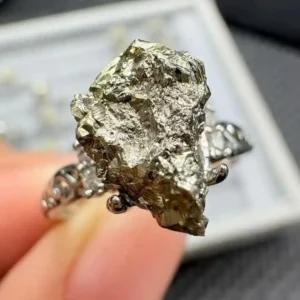
Pyrite Bracelets, Rings, and Necklaces
Bracelets, rings, necklaces, and earrings all present pyrite in different ways, but each style has its own care requirements. Bracelets are easy to wear and popular for daily use, although they often come into contact with sweat, water, and hard surfaces. Rings create a bold metallic look but may receive more friction during normal activities. Necklaces usually stay drier, making them a practical choice for buyers who want the Pyrite Crystal Meaning with less direct exposure to moisture.
Retailers should also consider weight, setting quality, and metal compatibility when choosing finished pieces. Pyrite can pair well with gold-tone, silver-tone, brass, or stainless-steel components, depending on the intended style. Secure settings and smooth edges matter because brittle stones may chip if they receive a hard impact. Clear care instructions can also reduce customer complaints and help buyers understand why pyrite jewelry should stay dry.
Pyrite Beads for Jewelry Making
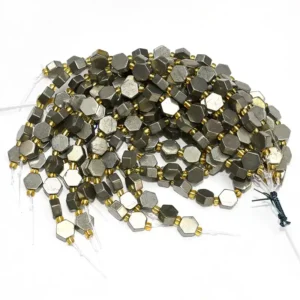
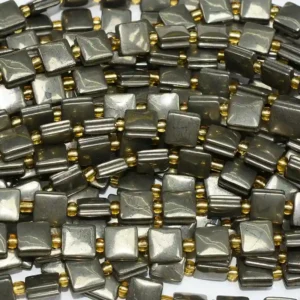
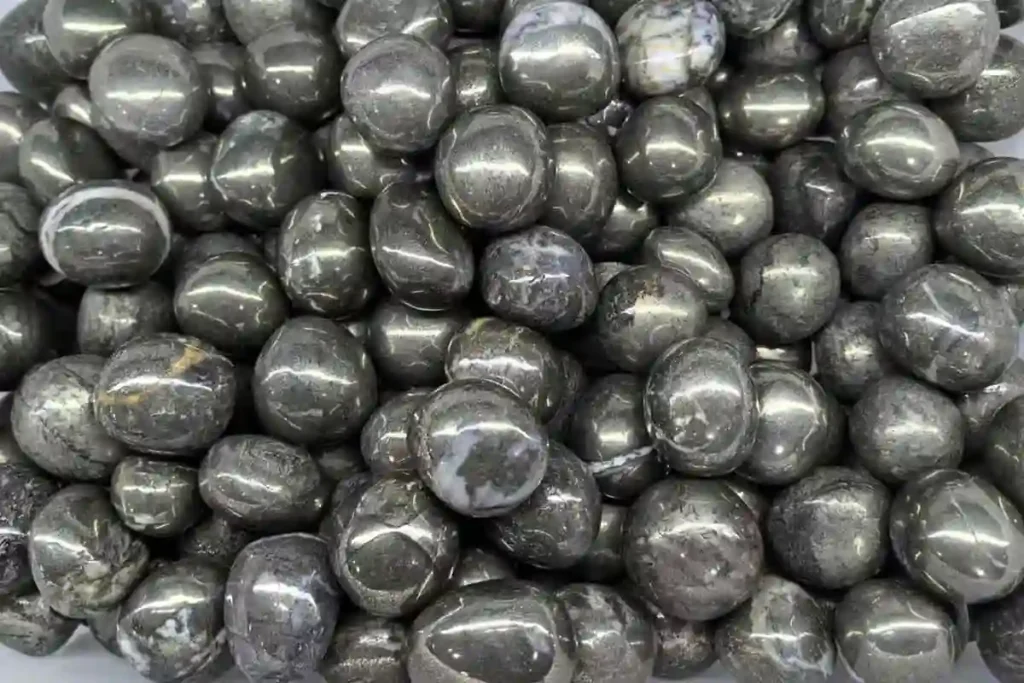
Pyrite beads are widely used in bracelets, necklaces, earrings, and mixed gemstone designs. Common options include round, faceted, cube, rondelle, and irregular shapes. When comparing Pyrite Beads, buyers should check size consistency, hole position, surface shine, and color matching. Bright, evenly finished beads usually create a cleaner retail look, while darker or heavily pitted pieces may suit more natural or rustic designs.
Hole size also matters because it affects which cord, wire, or findings the jewelry maker can use. For larger wholesale orders, buyers should ask for close-up photos, measurement checks, and a sample strand before confirming the full quantity. It is also wise to compare several strands from the same batch, since pyrite color and shine can vary. Careful checking helps reduce problems during production and keeps the finished jewelry more consistent.
Crystal Pairings: What Works With Pyrite?
Popular Crystals to Pair With Pyrite
Pyrite pairs well with crystals that share themes of confidence, protection, growth, or practical action. Citrine is often chosen for abundance-focused designs, while Tiger’s Eye adds a strong connection with courage and decision-making. Clear Quartz creates a brighter, cleaner look, and Black Tourmaline gives the combination a more protective theme. These pairings work well in bracelets, desk sets, gift boxes, and mixed crystal displays.
Green Aventurine can add a softer growth and opportunity theme, while Hematite brings a darker metallic contrast and a grounded appearance. Jewelry makers may also combine pyrite with Onyx, Smoky Quartz, or Lapis Lazuli for stronger color balance. The best pairing depends on the target customer, design style, and price range. Symbolic meaning can support the design story, but color, hardness, weight, and comfort still matter in the finished piece.
For wholesale buyers, mixed-stone sets should be checked as complete designs rather than as separate materials. Compare bead sizes, drill holes, surface finishes, and total bracelet weight before placing a bulk order. Pyrite’s metallic shine can dominate softer stones, so balanced spacing often creates a cleaner result. A few sample combinations can help retailers identify which pairings suit their customers before ordering larger quantities.
What Not to Pair With Pyrite
There is no universal rule that pyrite must avoid a specific crystal. Most concerns are practical rather than spiritual. Pyrite can be brittle, so pairing it with very hard stones may increase the risk of chips or surface wear. Moisture-sensitive materials also need careful handling. Before combining stones, jewelry makers should compare hardness, weight, bead size, and how the finished piece will be worn or stored.
Color and design balance also matter. Pyrite’s strong gold tone may overpower pale stones if the bead sizes are too large or the spacing is too tight. For daily jewelry, avoid combinations that require frequent water cleaning or long soaking. Buyers should also check whether metal findings may tarnish at a different rate. Testing one finished sample first can reveal problems with weight, comfort, color balance, and long-term wear.
Can Pyrite Get Wet? Cleaning, Oxidation, and Storage
Why Pyrite Should Stay Dry
Pyrite should not stay in water because its iron content can react with moisture and air. Over time, the surface may lose its bright metallic shine and develop dull, gray, brown, or darker areas. This change is usually a natural oxidation process rather than proof that the stone is fake. Frequent contact with sweat, rain, or humid storage can make the color change faster.
The speed of oxidation can vary from one piece to another. Rough clusters with cracks and uneven surfaces may hold more moisture than smooth beads or polished stones. Long shipping times, sealed cartons, and humid warehouses can also affect the final appearance. For retailers and wholesale buyers, regular stock checks are important because pyrite that looks bright when packed may become darker after months of storage.
Customers should receive clear care instructions before purchase. Explain that pyrite should be removed before showering, swimming, exercising, or using household cleaners. Retail displays also need a dry location away from sinks, humidifiers, and open windows during wet weather. These precautions do not stop every color change, but they can slow oxidation and help the stone keep its bright surface for a longer period.
How to Clean Pyrite Safely
The safest way to clean pyrite is with a soft, dry cloth or a small brush with gentle bristles. Wipe away dust slowly, especially around cracks, drill holes, and uneven crystal faces. Avoid soaking the stone or rinsing it under running water. Chemical cleaners, steam, and ultrasonic machines may also damage the surface or increase the risk of oxidation.
After cleaning, leave the pyrite in a dry, well-ventilated place before putting it back into storage. Do not apply oil, polish, or protective sprays unless the material has been tested on a sample first. Some coatings may change the color or trap moisture against the surface. For jewelry, inspect the cord, wire, and metal findings at the same time so small problems can be fixed before the piece is worn again.
For spiritual cleansing, dry methods are usually safer than water-based methods. Some users choose sound, smoke, or a short period of moonlight, but the stone should remain protected from dew and outdoor moisture. Whatever method you use, handle the piece gently and check the surface afterward. Practical care matters more than frequent cleansing, especially for pyrite jewelry, beads, and wholesale stock.
Storage and Shipping Precautions
Store pyrite in a dry container with soft padding and a small desiccant pack when possible. Keep separate pieces from rubbing against one another, especially rough clusters, faceted beads, and polished jewelry. For larger inventories, label the packing date and check the surface regularly for dull spots or color changes. Avoid damp basements, unventilated cartons, and areas with large temperature changes, since these conditions may increase moisture inside the packaging.
For shipping, place pyrite in sealed inner bags before adding bubble wrap, dividers, and a strong outer carton. Desiccant packs can help reduce moisture during long transit, especially for sea freight. Beads should be packed in smaller groups so the weight does not press against the lower strands. Rough pieces and clusters need extra space around sharp edges to prevent rubbing, chipping, and surface damage during transportation.
I once supplied about 1,000 strands of pyrite beads to a customer in India and shipped the order by sea. The beads looked bright when they left our warehouse, but the customer noticed a clear color difference after the long journey. The extended transit time and humid conditions had caused surface oxidation. Since then, I always explain this risk before shipment and recommend stronger moisture protection for sea freight.
How to Choose Pyrite for Retail and Wholesale Orders
Common Pyrite Shapes and Finished Products
Pyrite is available in many forms, so buyers should choose products based on how their customers plan to use them. Rough stones and natural clusters suit crystal shops and home décor displays, while cubes, towers, and carvings work well as gifts or desk pieces. Jewelry makers often prefer round beads, faceted beads, cabochons, rings, tumbled stones, and small chips because these shapes are easier to include in finished designs.
Different shapes also create different packing and quality-control needs. Natural clusters require more protective space, while beads need checks for hole size, shape consistency, and strand length. Cabochons and rings should be inspected for chips, loose settings, and uneven polishing. For wholesale orders, buyers should confirm current stock, available sizes, color range, and packaging method before choosing the final mix.
How to Judge Pyrite Color and Surface Quality
Pyrite quality can vary greatly between batches. Older material often looked gray, dull, or slightly dirty, especially after polishing into beads. Better raw material now produces brighter pieces with a cleaner metallic shine and a stronger gold tone. For retail use, buyers should compare brightness, color consistency, surface pits, cracks, bead shape, and drill-hole position before approving a large order.
A bright surface does not mean every strand will match perfectly. Natural color differences may appear between gold, brass, gray-gold, and darker tones. Buyers should review several strands under the same lighting instead of judging only one close-up photo. I also recommend checking both sides of the beads, since pits, cracks, or oxidation marks may be less visible from the front. Consistent shine is especially important for jewelry brands and retail displays.
Surface condition also affects how long the product remains attractive after delivery. Freshly polished pyrite may look very bright, but early oxidation can appear around drill holes, natural cracks, or recessed areas. For larger orders, ask for recent photos and videos rather than relying on old samples. A careful batch inspection helps identify dull pieces before packing and gives buyers a more accurate idea of the quality they will receive.
Understanding “Black Pyrite”
The term “black pyrite” can be confusing because it does not always describe a separate mineral variety. In some cases, sellers use the name for pyrite with a dark surface, heavy oxidation, or a large amount of black host rock. Other listings may use the term loosely for stones that only resemble pyrite. Buyers should therefore confirm the mineral type through clear photos, videos, and product details before placing an order.
The black pyrite crystal meaning may sound different from standard golden pyrite, but the darker appearance usually comes from surface condition, inclusions, or oxidation rather than a separate spiritual identity. For wholesale buying, the name alone is not enough. Ask whether the material is natural pyrite, pyrite mixed with host rock, or another dark metallic stone. Clear identification helps prevent customer confusion and makes product descriptions more accurate.
Wholesale Buying and Inventory Advice
Pyrite should be purchased according to realistic sales speed because long storage periods can increase the risk of oxidation. For a new style or market, start with a smaller test order and monitor how quickly the pieces sell. Check the surface again after several weeks or months. This simple step helps buyers understand how the material performs before they commit to a larger quantity.
For larger orders, ask the supplier to confirm current stock with recent photos or videos instead of using old sample images. Packaging should include sealed inner bags, dry padding, and desiccant packs, especially when the shipment will travel by sea. Buyers should also agree on an acceptable color range before production. Clear standards for brightness, surface marks, and oxidation can reduce disputes after delivery and make repeat orders easier to manage.
Inventory should also be checked on a regular schedule instead of only when a customer places an order. Separate any strands or pieces that begin to darken, and record which batches change faster. Retailers can reduce complaints by giving buyers simple care instructions at the time of sale. Pyrite remains a strong-selling material, but honest communication about oxidation, storage, and expected color changes is essential for long-term customer trust.
Pyrite History, Folklore, and Modern Meaning
Historical and Traditional Uses of Pyrite
For thousands of years, people have valued pyrite for both practical and decorative purposes. Early communities used it to create sparks for starting fires, while later cultures shaped it into ornaments, mirrors, jewelry, and protective objects. Its bright metallic surface also gave it a strong symbolic role. People often connected the stone with strength, fire, wealth, and protection long before modern crystal practices became popular.
In some regions, polished pyrite was used to make reflective surfaces before modern glass mirrors became common. Warriors and travelers also carried metallic stones as protective symbols, although these beliefs varied across cultures. The material’s gold-like color later led to its famous “Fool’s Gold” nickname during mining booms. Even when it was mistaken for gold, pyrite kept its own value as a natural mineral with practical, decorative, and symbolic uses.
How the Meaning of Pyrite Changed Over Time
Today, the Pyrite Crystal Meaning is more often connected with confidence, business motivation, financial goals, and personal action. Many buyers choose it for office décor, jewelry, meditation spaces, or prosperity-themed gifts. Its modern meaning still reflects the stone’s golden color and strong metallic appearance, but people now tend to use it as a reminder to plan carefully, recognize opportunities, and follow through on their goals.
Modern retailers also use this meaning to explain why pyrite fits several markets at once. A single material can appeal to jewelry buyers, crystal collectors, business owners, and home décor customers. Its history gives the stone a strong story, while its modern symbolism makes it easy to present in gift sets and themed displays. Even so, sellers should balance the spiritual message with clear information about care, oxidation, and natural color variation.
Frequently Asked Questions About Pyrite
What Is Crystal Pyrite Good For?
Pyrite is commonly used for jewelry, home décor, desk displays, meditation, and intention-setting. Many people also choose it as a symbol of confidence, protection, motivation, and financial focus. From a practical viewpoint, it works well in beads, carvings, clusters, rings, and polished pieces. The Pyrite stone benefits are symbolic rather than medical, so it should support personal goals without replacing professional advice or real action.
For business and retail settings, pyrite is often placed near a desk, cash register, planning area, or display shelf. Jewelry makers also use Pyrite Beads to create bracelets, necklaces, and mixed-stone designs with a bold metallic look. The stone is best understood as a visual reminder of confidence and steady effort. It does not guarantee wealth, success, protection, or any specific emotional result.
What Should You Not Pair With Pyrite?
There is no crystal that must always be kept away from pyrite for spiritual reasons. The main concerns are physical. Very hard stones may scratch its surface, while heavy beads can place extra pressure on brittle pieces. Jewelry makers should also avoid combinations that need frequent washing or soaking. Before producing a larger order, test the design for weight, comfort, surface wear, and color balance.
Design balance is another important factor. Pyrite’s bright gold tone may overpower pale or transparent stones when the sizes are too large or the spacing is too tight. Different metal findings may also tarnish at different rates, which can make the finished jewelry look uneven. Testing one complete sample first helps reveal problems with movement, rubbing, moisture exposure, and long-term appearance before a wholesale quantity is produced.
What Does Pyrite Mean Spiritually?
Spiritually, pyrite is often associated with confidence, protection, personal power, and purposeful action. Many people also connect it with abundance because of its bright gold-like color. The Pyrite stone spiritual meaning is not about waiting for luck to appear. Instead, the stone can serve as a reminder to stay focused, make practical decisions, and act with greater courage when working toward personal or financial goals.
People may keep pyrite near a journal, work desk, or meditation space when they want to strengthen motivation and self-belief. Its spiritual meaning can also relate to setting boundaries, protecting personal energy, and staying committed during uncertain periods. These ideas come from crystal traditions and personal belief. Pyrite should not replace medical, financial, or professional guidance, but it may support a more focused and intentional mindset.
Where Should I Put My Pyrite Crystal?
Pyrite is often placed in areas connected with work, planning, money, or decision-making. Good locations include a desk, office shelf, cash register, entryway, or goal-setting space. A small cube or polished stone fits well beside a notebook, while a larger cluster can become part of a retail or reception display. Choose a dry position where the stone can be seen without being exposed to frequent moisture.
Avoid placing pyrite near sinks, humidifiers, diffusers, or open windows during wet weather. Moisture can dull the metallic surface and speed up oxidation. If the stone is used near a cash register or entrance, check it regularly and wipe away dust with a soft, dry cloth. The best location supports the Pyrite Crystal Meaning while also protecting the stone from water, chemicals, and long-term dampness.
What Should You Not Do While Wearing Pyrite?
Avoid wearing pyrite while showering, swimming, exercising heavily, or washing dishes. Sweat, water, perfume, lotion, and cleaning products can dull the surface and increase oxidation over time. Pyrite rings and bracelets face the most contact, so remove them before activities that involve moisture or strong friction. After wearing the piece, wipe it with a soft, dry cloth before storage.
Do not store pyrite jewelry while it is damp, and avoid keeping it in a bathroom or other humid space. Place each piece in a dry pouch or sealed container with soft padding. These steps help protect both the finish and the meaning of pyrite crystal jewelry as a long-term symbol of confidence and action. Good care also helps retailers reduce complaints about darkening, dullness, or unexpected color changes.
Conclusion: Understanding Pyrite Before You Buy or Use It
The Pyrite Crystal Meaning is commonly linked with confidence, prosperity, protection, and purposeful action. Its golden metallic appearance makes it easy to connect with wealth and opportunity, but the stone works best as a practical reminder rather than a promise of results. Whether used in jewelry, home décor, meditation, or business spaces, pyrite should support clear goals, steady effort, and realistic expectations.
Buyers should also understand that pyrite can oxidize when exposed to moisture, humid storage, or long shipping times. Darkening does not always mean the stone is fake, but it can reduce retail value and customer satisfaction. Careful packaging, regular stock checks, and clear care instructions are especially important for Pyrite Beads, jewelry, rough pieces, and decorative items kept in inventory for longer periods.
For retail or wholesale orders, choose pyrite with a bright surface, reasonably consistent color, clean drill holes, and packaging that limits moisture exposure. Recent photos, videos, and sample checks can help buyers compare quality before confirming a larger quantity. When the material is selected carefully and its care needs are explained honestly, pyrite can remain an attractive choice for jewelry makers, crystal shops, gift buyers, and home décor retailers.
Need pyrite beads, rough stones, carvings, or jewelry components for your wholesale order? Contact us through WhatsApp or submit an inquiry form to discuss available sizes, current stock, packaging, order quantities, and shipping options. We can provide recent photos and videos so you can review the color, surface shine, and overall batch quality before confirming your order.
Disclaimer
The information provided here is for educational and general reference purposes only. The spiritual meanings, benefits, chakra associations, and traditional uses of pyrite are based on personal beliefs and crystal traditions. They are not scientifically proven and should not replace medical, psychological, financial, or professional advice.
Pyrite is a natural mineral, so color, shape, surface texture, and crystal structure may vary from piece to piece. Because it contains iron, pyrite may also darken or oxidize when exposed to moisture, sweat, air, or long storage periods. Buyers should follow proper care instructions and review current product photos, videos, and specifications before placing a retail or wholesale order.