
What Are Tumbled Gemstones? How They’re Made and Used
Written by Roc Gong | Founder of RoCrystal
Last updated: October 28, 2026
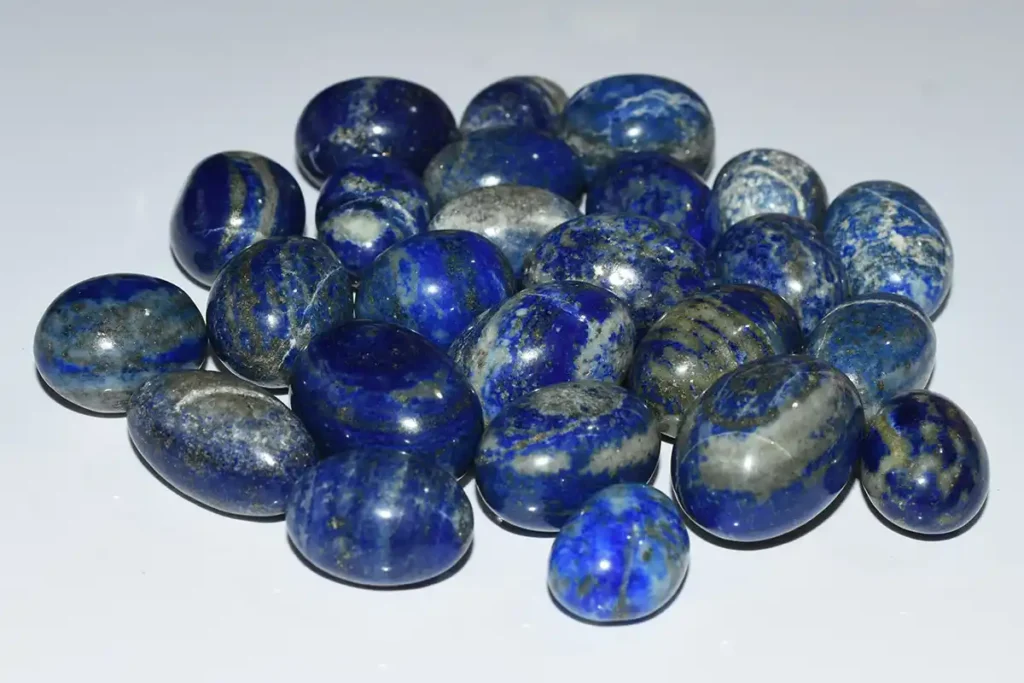
Tumbled gemstones are pieces of stone that have been smoothed and polished in a rock tumbler. They usually have rounded edges and irregular shapes, making them easy to hold, arrange in displays, or use in craft projects.
Their polished appearance can make very different materials look similar at first glance. Understanding what “tumbled” means helps you look beyond the shine and choose stones based on their material, finish, and intended use.
What Are Tumbled Gemstones?
The word tumbled describes how a stone is finished, rather than identifying its mineral type or quality grade. During processing, a tumbler moves stones with abrasives to gradually smooth their surfaces. The International Gem Society explains that gemstone tumbling uses a tumbler and abrasives to turn rough material into polished pieces.
Unlike beads, tumbled stones do not necessarily have drilled holes. They also tend to retain varied, free-form outlines rather than matching a precise shape.
You may see several names used for these products:
- Tumbled stones is a broad retail term for stones with this finish.
- Tumbled gemstones emphasizes their use as decorative gem materials.
- Tumbled crystals is common in crystal shops, but the name alone does not establish a material’s identity.
- Polished stones is broader: stones can also be polished using methods other than tumbling.
These labels often overlap in product listings. For buyers, the specific material name and any treatment information are more useful than the general label alone. A smooth surface tells you about the finish; it does not, by itself, confirm that the material is natural or untreated.
How Are Tumbled Gemstones Made?
Tumbled gemstones are made by moving pieces of rough stone through stages of grinding, smoothing, and polishing. Each stage removes surface material, gradually turning sharp edges and rough faces into a smoother finish.
According to the International Gem Society, the process uses a tumbler, water, and abrasives, with thorough cleaning between stages to prevent coarse particles from scratching the stones during finer work.
The basic process follows four steps:
- Select suitable rough material. Stones are grouped by their hardness and suitability for tumbling. Mixing incompatible materials can lead to scratches or uneven results.
- Grind down rough edges. Coarse abrasive removes material and helps shape the stones.
- Smooth the surfaces. Finer abrasives reduce the scratches left by earlier grinding stages.
- Apply the final polish. A polishing compound develops the finished surface. The stones are then cleaned and inspected.
Processing time varies with the material, equipment, starting condition, and desired finish. A batch should move to the next stage based on its surface condition rather than a fixed number of days.
Is the Shine a Coating?
A polished surface does not automatically mean that a stone has been coated. Proper abrasive polishing creates shine by making the surface very smooth.
However, tumbling and polishing do not tell you whether a product has undergone additional treatment. When buying finished stones, ask separately about dyes, coatings, or other enhancements. Clear material descriptions help distinguish the polishing process from treatments that change or conceal a stone’s appearance.
Tumbled vs. Raw Stones: What Changes?
The main difference between tumbled and raw stones is their surface and shape. Tumbling removes material to create smoother edges and a polished finish. Raw stones have not received that finish, so they may retain rough surfaces, broken faces, or visible crystal forms.
Here, “raw” means untumbled. It does not necessarily mean untouched: a piece may have been cleaned, cut, or broken into a smaller size before sale.
| Feature | Tumbled Stones | Raw Stones |
|---|---|---|
| Surface | Smoothed and polished | May be rough, uneven, or naturally smooth |
| Shape | Usually rounded and irregular | Depends on crystal growth and how the piece broke |
| Original features | Some surface details are removed | May preserve crystal faces and other growth features |
| Handling | Generally comfortable to hold, though chips can occur | Sharp edges or fragile points may require care |
| Common uses | Pocket stones, mixed sets, crafts, and small displays | Mineral collections, specimen displays, and decorative arrangements |
Tumbling also reduces a stone’s size. As the International Gem Society notes in its processing instructions, stones occupy less space after grinding because material has been removed. This is why the finished piece may look quite different from the original rough.
Neither finish is automatically better or more valuable. Choose based on what you want to preserve or use. A polished piece may suit a small gift set, while a specimen with distinct crystal faces may be better appreciated in its raw form.
For retail assortments, consistency matters too. In our supply experience, buyers often want a similar size range and finish across a batch. Raw specimens usually require more individual assessment because their shapes and display features can vary widely.


Common Types, Colors, and Material Differences
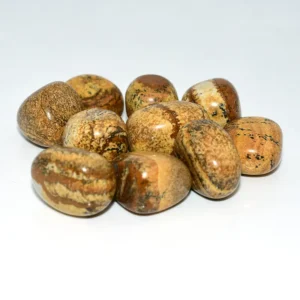
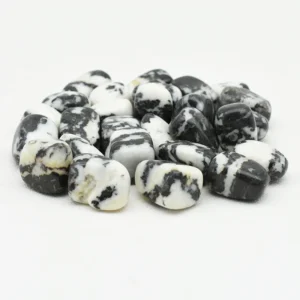
Tumbled gemstones come in many colors, patterns, and levels of transparency. Some look fairly uniform, while others show bands, cloudy areas, or contrasting patches. These differences help give each piece its character, but color alone is not enough to identify a stone.
Several familiar examples belong to the quartz family. The Open University identifies amethyst, rose quartz, and smoky quartz as differently colored varieties of quartz. Although their appearances differ, they share the same underlying mineral identity.
| Material | Typical Appearance | What to Keep in Mind |
|---|---|---|
| Amethyst | Purple, sometimes with lighter or darker zones | Expect variation rather than identical color in every piece |
| Rose quartz | Pink, often with a cloudy appearance | Compare individual stones under the same lighting |
| Smoky quartz | Gray to brown | Transparency and color depth can vary |
| Citrine | Pale yellow to brownish orange | Ask whether the color is natural or produced by heat treatment |
| Obsidian | Commonly black with a glassy appearance | It is volcanic glass rather than a crystalline mineral |
GIA describes citrine as yellow to brownish orange quartz and notes that most citrine on the market results from heat treatment of amethyst. A citrine label therefore does not establish that its color formed naturally.
Obsidian illustrates another important distinction. The U.S. Geological Survey identifies it as volcanic glass. It can be sold alongside tumbled crystals, but that retail grouping does not make every material in the display a crystal.
Look Beyond the Color Name
When comparing stones, separate three details: the material, its appearance, and any disclosed treatment. “Purple tumbled stone” describes a color and finish; “amethyst” provides a more specific material identification.
For mixed assortments, request a material list rather than relying only on a photograph. In our supply experience, buyers often want consistent colors across repeat orders. Agreeing on an acceptable color range is more practical than expecting every stone to match exactly.
What Are Tumbled Gemstones Used For?
Tumbled gemstones work well in small displays, collections, craft projects, and gift sets. Their rounded shapes make them convenient to arrange and handle, while their varied colors offer plenty of ways to create a personal collection.
Collections and Home Displays
A shallow dish, divided tray, or small shelf can hold a selection of tumbled stones without taking up much space. You can group pieces by material, color, or pattern. Adding labels also makes a collection easier to understand and expand.
For example, a quartz display might bring together amethyst, rose quartz, and smoky quartz. Alternatively, a color-themed arrangement can combine different materials. Keep the material names with the pieces so that appearance does not replace identification.
Crafts and Jewelry Projects
Wire wrapping offers a way to turn an undrilled stone into a pendant. Other projects include decorative mosaics, framed arrangements, and small ornaments.
Before starting, check how the stone fits the design. A rounded piece needs a secure setting or wrap, and its weight should suit the finished item. For projects that require drilling or cutting, check the material’s suitability and the necessary equipment first.
Gifts and Starter Sets
Small assortments can introduce beginners to different stones. A useful starter set includes clear material names and simple care instructions rather than relying only on color or symbolic descriptions.
In our wholesale experience, many repeat customers begin with mixed assortments. They then expand into individual varieties based on local demand. This approach helps them learn which materials their customers prefer before building a larger selection.
Meditation and Personal Rituals
Some people hold a smooth stone during meditation or keep one nearby as a personal reminder of an intention. Others choose colors or materials that connect with their spiritual beliefs.
These uses reflect personal preference and belief. A stone can serve as an object of focus without implying that it treats a health condition or produces a proven healing effect.
What Should You Check When Choosing Tumbled Stones?
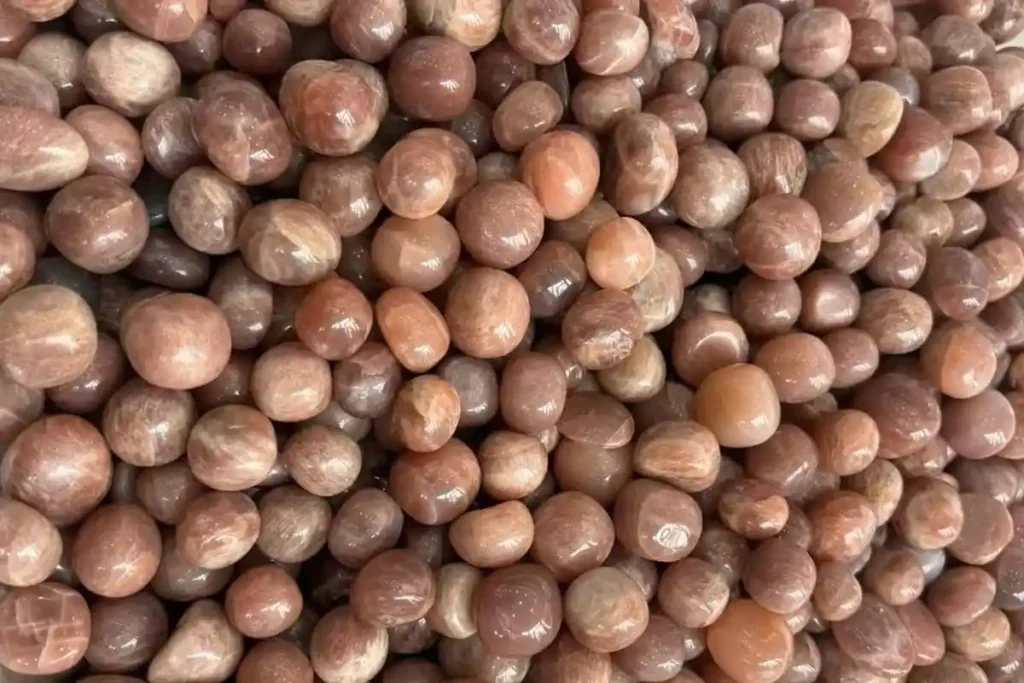
When choosing tumbled gemstones, check the surface, size range, and material description together. A bright shine may catch your eye, but it does not tell you everything about the piece.
Check the Surface and Edges
Turn the stone under good lighting and inspect it from several angles. Look for chips, rough patches, visible scratches, and cracks that reach the surface. Also, check any grooves or depressions where polishing residue might remain.
Consider how you plan to use the piece. A shallow pit may suit a decorative collection, while a sharp chip makes a stone less comfortable to hold. The goal is to choose a finish that suits the intended use rather than expect every material to look identical.
Compare Sizes and Shapes
A size range does not guarantee matching shapes. Two stones with a similar length can differ noticeably in width, thickness, and overall bulk.
For a personal collection, that variety may add interest. However, gift boxes, wire-wrapped designs, and divided display trays often need a closer fit. Check the relevant measurements before choosing pieces for a specific project.
Read the Material and Treatment Details
Look for a specific material name instead of a description based only on color. If a listing leaves treatment information unclear, ask the seller before ordering.
For mixed packs, request a list of the included materials. This helps you label the stones accurately and understand what the assortment contains. Keep any disclosed treatment information with your records, especially if you plan to resell individual pieces.
Consider Consistency Across a Batch
In our supply experience, repeat buyers often place particular importance on similar sizes, consistent color ranges, and stock availability. A single attractive sample cannot show the full variation within a larger batch.
Therefore, ask for representative batch photos and clarify which differences you can accept. For example, decide whether your display needs a narrow size range or whether a varied assortment works equally well.
If you need to compare available materials and wholesale specifications, browse our Tumbled Stones collection.
Frequently Asked Questions
Are Tumbled Stones Worth Anything?
Yes. Tumbled stones have value as decorative pieces, collectibles, and craft materials. However, a polished finish alone does not make a stone rare or expensive. Material identity, size, condition, treatment, and workmanship all influence its value.
If you want to resell stones, compare products with similar specifications rather than judging value by color or shine alone.
Are Tumbled Stones Always Natural?
No. “Tumbled” describes a finishing process, so the term does not guarantee natural origin. Check the material description and ask about any treatments or manufactured materials. A mixed assortment should also include clear identification for its contents.
Does Tumbling Make Stones Stronger?
Tumbling smooths surfaces and removes sharp edges, but it does not guarantee a durable finished piece. Chips, cracks, or fragile areas can still remain. Therefore, inspect each stone and choose a material that suits its intended use.
Which Stones Should You Avoid Tumbling Together?
Avoid combining materials with substantially different hardness or incompatible processing needs. Harder stones can scratch softer ones, while fragile pieces may suffer damage during processing. The International Gem Society recommends grouping stones of matching hardness for tumbling.
Before starting a batch, check the requirements of each material and follow your equipment instructions.
Do Tumbled Gemstones Need Special Care?
Care depends on the material and any treatments. Keep identification and care information with your stones, especially when an assortment contains several types. Before soaking them or using a cleaning product, check the guidance for each material rather than applying one method to the whole collection.
Conclusion
Tumbled gemstones offer a simple way to enjoy different colors, patterns, and textures. Whether you choose them for collections, crafts, displays, or gifts, check the material name, surface condition, size, and treatment details before buying.
For wholesale stock information, prices, or mixed-material requests, send your requirements through our contact form or chat with us on WhatsApp. Include the materials and quantities you need so we can provide a relevant quote.
Sources and Further Reading
- International Gem Society: Lapidary Fundamentals—Gemstone Tumbling
- Open University: Minerals and the Crystalline State—Colour
- GIA: Citrine
- U.S. Geological Survey: Obsidian
Disclaimer: Spiritual meanings and meditation practices reflect personal beliefs. Gemstones do not replace medical advice or treatment.