
Jasper Stone Color: Complete Guide to Jasper Colors, Meanings and Varieties
Written by: Rocrystal Sourcing & QC Team, Last updated: June 19, 2026
Introduction
Jasper is one of the most colorful gemstones found in nature. Unlike many minerals that display only a limited range of shades, jasper can appear in red, yellow, green, brown, black, gray, and even multi-colored combinations. This remarkable variety often leads people to ask a simple question: what color is jasper?
The answer is not straightforward because jasper forms under different geological conditions and contains various mineral inclusions. These natural factors create the wide range of jasper colors seen in crystal collections, jewelry, decorative items, and stone assortments. Some varieties are known for solid colors, while others feature striking patterns, bands, spots, or landscape-like designs.
For buyers, collectors, and crystal retailers, color is often the first feature that attracts attention. In many cases, customers choose a stone based on its appearance before learning its specific variety name. Understanding the color of jasper can help explain why certain types are more popular in particular markets and why some varieties command greater interest than others.
In this guide, we will explore the most common jasper stone colors, how they form, what they may symbolize, and how different varieties fit into today’s crystal and gemstone market.
What Color Is Jasper?
Is Jasper Always Red?
Many people assume that jasper is always red because Red Jasper is one of the most widely recognized varieties on the market. Its rich earthy appearance has made it popular for jewelry, carvings, tumbled stones, and decorative pieces for centuries. As a result, red is often the first color that comes to mind when people think about jasper.
In reality, jasper is not limited to a single color. The stone belongs to a broad family of opaque quartz varieties that can develop in many shades depending on the minerals present during formation. While red remains one of the most common options, yellow, green, brown, black, gray, and multi-colored varieties are also widely available.
This diversity is one reason jasper continues to attract attention from collectors, crystal enthusiasts, and gemstone buyers. Different colors appeal to different preferences, making jasper one of the most versatile stones in today’s crystal market. Understanding this variety is the first step toward answering a common question: what color is a jasper stone? The simple answer is that jasper can display far more colors than most people expect.
The Wide Range of Jasper Colors
One of the most fascinating features of jasper is its incredible color diversity. When people ask, “What color is a jasper stone?” the answer can vary greatly depending on the specific variety. Some stones display a single dominant shade, while others combine several colors in unique natural patterns.
Among the most common jasper colors are red, yellow, green, brown, gray, black, and cream. Red Jasper is known for its warm earthy tones, while Yellow Jasper ranges from soft golden shades to deeper mustard colors. Green varieties include stones such as Kambaba Jasper and Dragon Blood Stone, which often feature striking color contrasts. Brown and tan shades are frequently seen in Picture Jasper, while Ocean Jasper may contain multiple colors within a single stone.
The color of jasper is one of the main reasons it remains popular across different markets. Some buyers prefer bold and vibrant stones, while others look for neutral colors that work well in jewelry, home décor, or crystal collections. Because no two pieces are exactly alike, jasper offers an impressive selection of natural color combinations that appeal to a wide range of preferences.
Why Jasper Can Show So Many Colors
The wide range of colors found in jasper comes from the minerals and trace elements present when the stone forms. Jasper develops over long periods as silica-rich materials combine with other substances in the surrounding environment. These additional minerals influence the final appearance of the stone and create the color variations seen today.
Iron is one of the most important coloring agents in jasper. Higher iron content often produces red, brown, or yellow shades. Green varieties may form when other mineral inclusions become part of the stone during development. Black, gray, and cream-colored patterns can also appear when different materials are trapped within the silica as it hardens over time.
Another factor is the geological environment where the stone forms. Changes in temperature, pressure, mineral concentration, and groundwater activity can all affect the final appearance. This is why the same color jasper gemstone may look different when sourced from different regions.
As a result, there is no single answer to the question, “What is the color jasper?” Instead, jasper should be viewed as a large family of stones that display a remarkable spectrum of natural colors, patterns, and combinations. This diversity is one of the key reasons why jasper remains popular among collectors, jewelry makers, and gemstone buyers around the world.
Why Does Jasper Come in So Many Colors?
Mineral Content and Color Formation
Mineral content plays a major role in determining the appearance of jasper. Although jasper is primarily composed of microcrystalline quartz, it rarely forms as pure silica. During the formation process, small amounts of other minerals become trapped within the stone, creating the wide variety of colors seen in different jasper varieties.
Iron is one of the most common contributors to color. Stones with higher iron concentrations often develop red, orange, yellow, or brown tones. This is why Red Jasper and Yellow Jasper are among the most widely available varieties. Other trace elements can influence the development of green, gray, black, or cream-colored areas within the stone.
The amount and distribution of these minerals also affect patterns. In some cases, the minerals spread evenly throughout the material, producing a consistent color. In other cases, they concentrate in specific areas, creating bands, spots, swirls, or landscape-like designs. These natural variations help explain why two pieces of jasper from the same source may still look different.
Because mineral composition varies from one deposit to another, each variety develops its own distinctive appearance. This natural process is the foundation behind the remarkable color diversity that makes jasper one of the most recognizable gemstones in the world.
Environmental Conditions During Formation
Minerals are only part of the story. The environment in which jasper forms also has a significant impact on its final color and appearance. Over millions of years, silica-rich materials accumulate in different geological settings, and even small changes in those conditions can influence the way a stone develops.
Temperature and pressure affect how minerals interact during formation. In some deposits, stable conditions allow colors to develop evenly throughout the material. In other locations, changing conditions create layers, veins, and contrasting color zones. These variations contribute to the unique patterns that many jasper varieties are known for today.
Groundwater also plays an important role. As mineral-rich water moves through rock formations, it can introduce additional elements into the developing stone. This process may create new colors or enhance existing ones. The timing and duration of mineral exposure often determine whether the stone develops a uniform appearance or a more complex pattern.
Location is another key factor. Jasper deposits found in different countries frequently display distinctive color characteristics because the surrounding geology is not the same. This is why buyers often notice visual differences between stones sourced from separate regions, even when they are classified under the same variety name. The combination of minerals, environmental conditions, and geological history gives each jasper deposit its own unique character.
Natural Patterns Versus Solid Colors
Not all jasper develops in the same way. Some varieties display a relatively consistent color throughout the stone, while others contain intricate patterns that make each piece unique. The difference often comes from how minerals were deposited and distributed during formation.
Solid-colored varieties usually form when mineral inclusions spread evenly through the material. Red Jasper and Yellow Jasper are common examples. These stones often show a uniform appearance, making them popular for beads, cabochons, carvings, and jewelry projects that require color consistency.
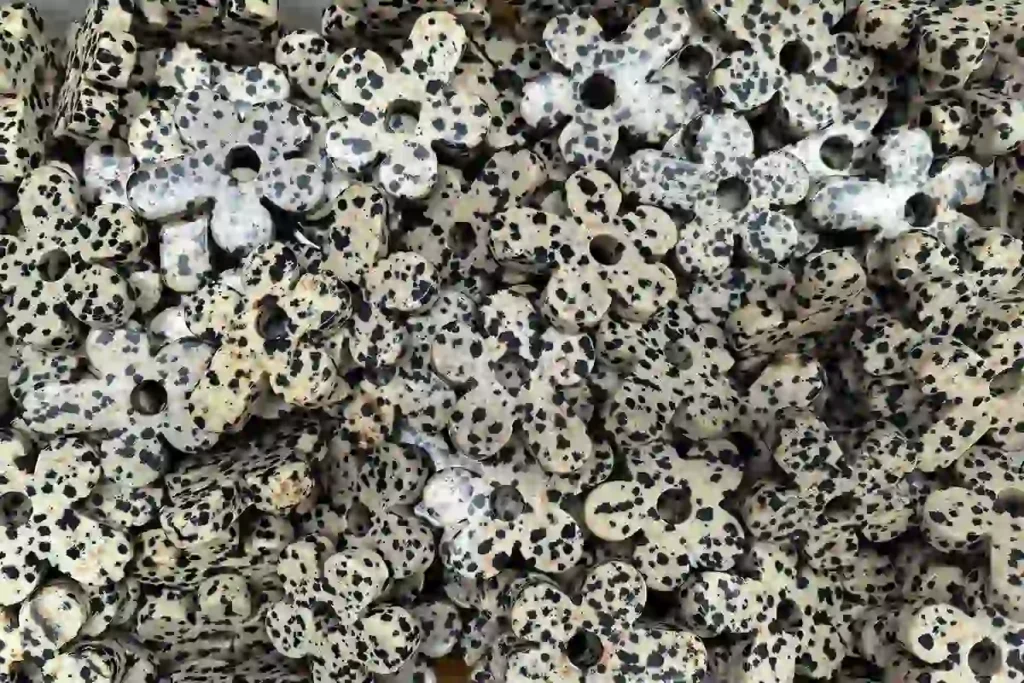
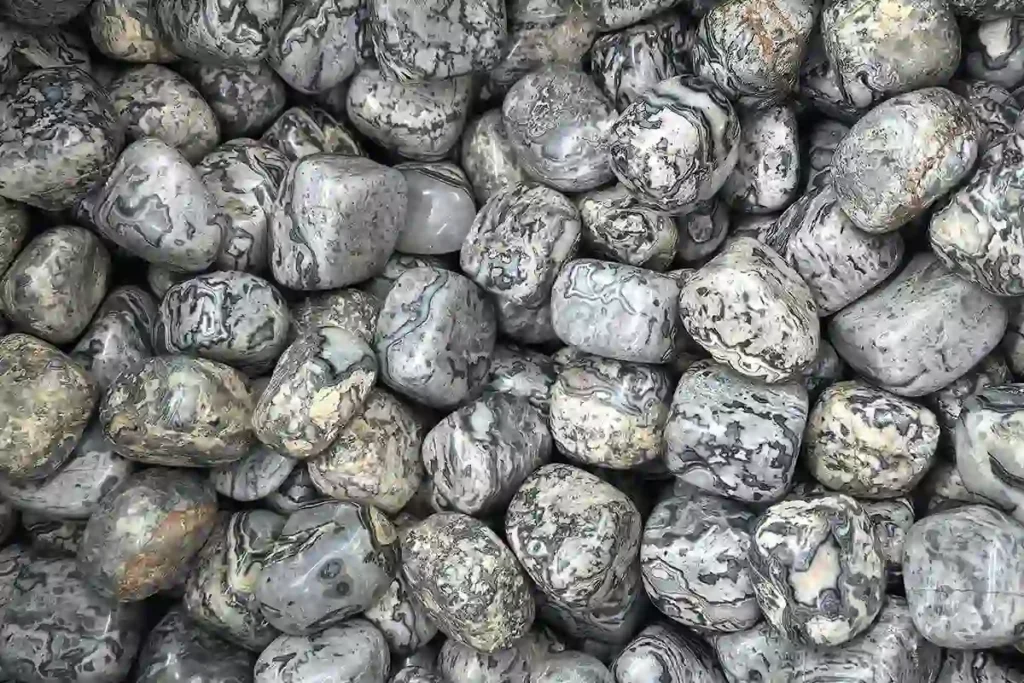
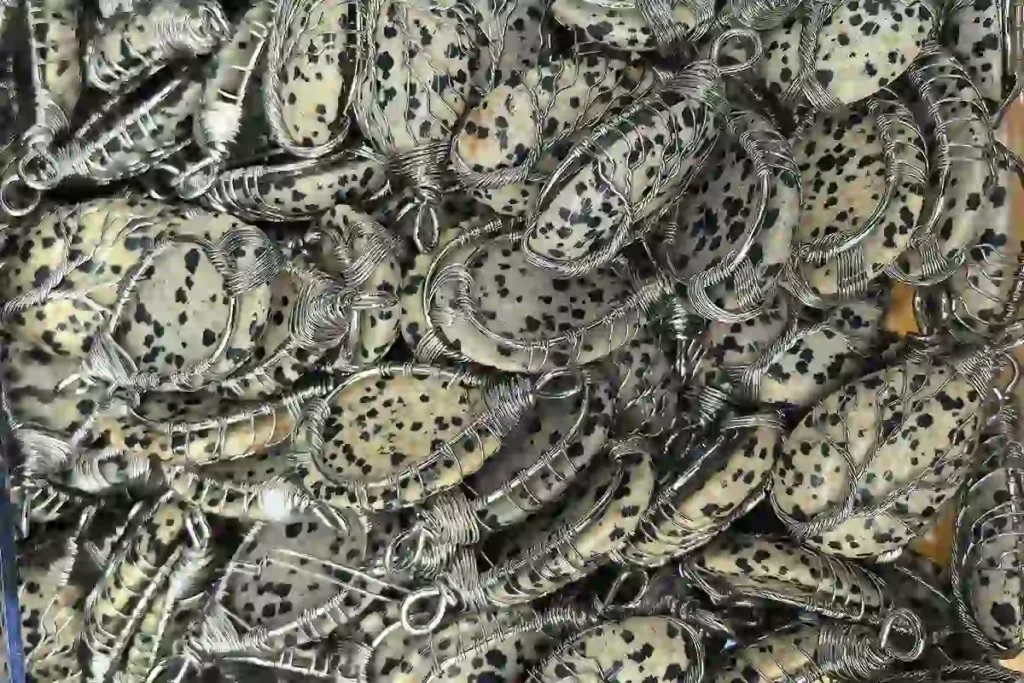
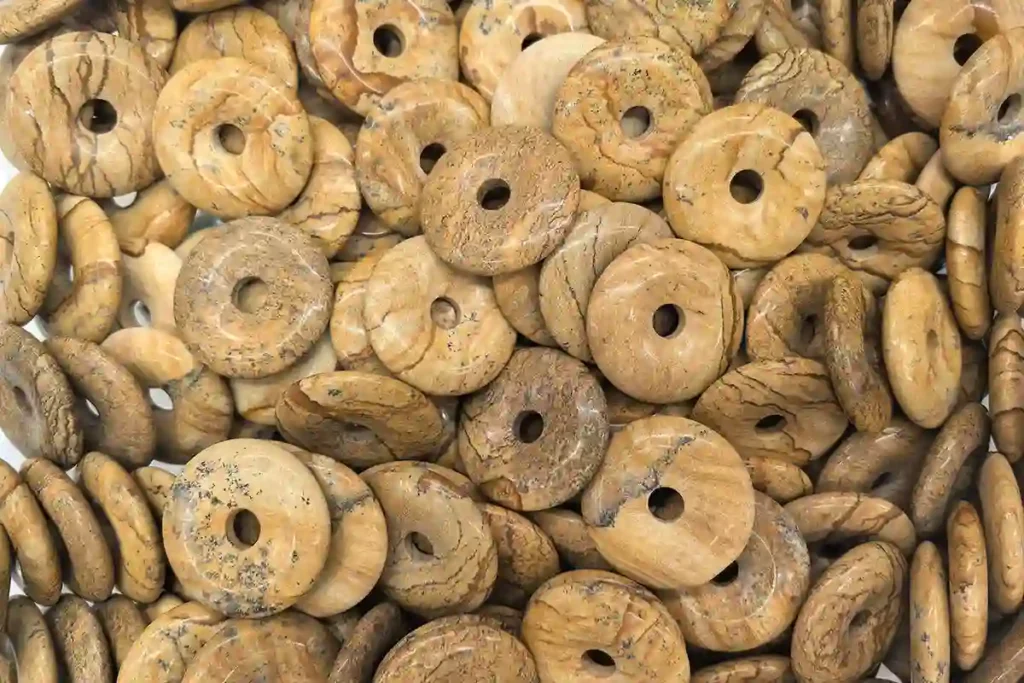
Patterned varieties form when minerals accumulate unevenly or when multiple geological events occur during development. This process can create bands, spots, circles, veins, and landscape-like designs. Picture Jasper is well known for patterns that resemble mountains, deserts, or natural scenery. Ocean Jasper often contains colorful orb-like formations, while Dalmatian Jasper features dark spots scattered across a lighter background. Zebra Jasper develops striking black-and-white bands that make it easy to recognize.
These natural patterns are one of the reasons jasper remains highly sought after. Even within the same variety, no two stones look exactly alike. For collectors and buyers, this uniqueness adds visual interest and helps distinguish one piece from another.
Why No Two Jasper Stones Look Exactly Alike
One of the most remarkable characteristics of jasper is that every piece is unique. Even stones taken from the same deposit can display noticeable differences in color, pattern, and texture. This natural variation is a result of the complex geological processes that occur during formation.
As silica and minerals accumulate over time, changes in mineral concentration, groundwater movement, temperature, and pressure influence the appearance of the developing stone. Small differences in these conditions can create lighter or darker shades, alter pattern distribution, or introduce new color accents. As a result, two stones classified as the same variety may still look quite different when placed side by side.
This uniqueness is especially noticeable in varieties such as Ocean Jasper, Picture Jasper, and Mookaite Jasper. Some pieces may contain bold color contrasts and dramatic patterns, while others show softer tones and more subtle designs. Neither is considered better or worse; they simply reflect natural differences within the material.
For buyers and collectors, this individuality is often part of jasper’s appeal. Rather than producing identical stones, nature creates countless variations, ensuring that each piece has its own distinctive character. This diversity helps explain why jasper continues to attract interest from gemstone enthusiasts, jewelry makers, and crystal retailers around the world.
Most Popular Jasper Stone Colors
Red Jasper
Red Jasper is one of the most recognized varieties in the jasper family. Its rich red color comes mainly from iron content and can range from brick red to deep earthy shades. Because of its consistent appearance and broad market appeal, Red Jasper is widely used in jewelry, carvings, tumbled stones, and decorative products. Many buyers first associate jasper with this classic red variety.
For a more detailed look at its characteristics and symbolism, see our Red Jasper Meaning guide.
Yellow Jasper
Yellow Jasper is valued for its warm golden and earthy tones. The color can vary from soft yellow to deeper mustard shades, creating a bright but natural appearance. Its cheerful color makes it popular in crystal collections, jewelry, and mixed gemstone assortments. Many retailers include Yellow Jasper because it adds visual contrast alongside darker stones.
Learn more in our Yellow Jasper Meaning guide.
Green Jasper Varieties
Green Jasper includes several distinctive varieties that have become increasingly popular in recent years. Kambaba Jasper is known for its deep green and black circular patterns, while Kiwi Jasper features softer green and gray tones. Dragon Blood Stone stands out because of its dramatic green background and red markings.
These varieties offer buyers a wide range of natural green color combinations, making them popular choices for jewelry, carvings, and gemstone collections.
Related guides:
Brown and Tan Jasper
Brown and tan colors are most commonly associated with Picture Jasper. This variety is famous for its landscape-like patterns that resemble mountains, deserts, and natural scenery. Its earthy appearance makes it one of the most distinctive members of the jasper family and a popular choice for decorative pieces and jewelry.
Readers can explore more details in our Picture Jasper Meaning guide.
Multi-Color Jasper
Some jasper varieties display multiple colors within a single stone. Ocean Jasper is well known for its colorful orb-like patterns, while Mookaite combines red, yellow, cream, burgundy, and purple shades. These stones are popular because every piece looks unique and offers a wide range of natural color combinations.
For more information, see our Ocean Jasper Meaning and Mookaite Meaning guides.
Black and White Jasper Varieties
Black and white jasper varieties create strong visual contrast. Zebra Jasper is recognized for its striped black-and-white patterns, while Dalmatian Jasper features dark spots scattered across a cream-colored background. Their distinctive appearances make them easy to identify and highly attractive in gemstone displays and mixed stone collections.
Learn more in our Zebra Jasper Meaning and Dalmatian Jasper Meaning guides.
Jasper Color Comparison Guide
With so many varieties available, it can sometimes be difficult to compare the different colors found within the jasper family. Some types are known for a single dominant shade, while others display multiple colors and complex natural patterns. Understanding these differences can help buyers, collectors, and crystal retailers identify the varieties that best suit their needs.
The table below provides a quick overview of some of the most popular jasper varieties and their primary color characteristics. While individual stones may vary, these color ranges represent the appearances most commonly seen in the marketplace today.
| Jasper Variety | Main Colors |
|---|---|
| Red Jasper | Red |
| Yellow Jasper | Yellow |
| Ocean Jasper | Multi-Color |
| Picture Jasper | Brown & Tan |
| Kambaba Jasper | Green & Black |
| Mookaite Jasper | Red, Yellow & Purple |
| Zebra Jasper | Black & White |
| Dalmatian Jasper | Cream & Black |
| Kiwi Jasper | Green & Gray |
| Dragon Blood Stone | Green & Red |
This comparison highlights the remarkable diversity found within the jasper family. From solid colors to highly patterned varieties, jasper offers one of the widest color selections available among natural gemstones.
Looking for Wholesale Jasper Stones?
Jasper remains one of the most popular gemstone categories due to its wide range of natural colors and patterns. Whether you are sourcing Red Jasper, Ocean Jasper, Picture Jasper, Mookaite, or mixed jasper assortments, selecting material with consistent color and reliable quality is important for long-term customer satisfaction.
At Rocrystal, we supply a variety of jasper stones for crystal shops, gift retailers, jewelry manufacturers, and wholesalers worldwide. If you are looking for specific colors, custom assortments, or bulk quantities, feel free to contact us.
WhatsApp: Contact us directly for quick assistance and product photos.
Inquiry Form: Send your requirements and our team will provide detailed information and quotations.
Jasper Stone Color Meaning
Why People Connect Colors With Meanings
Throughout history, people have associated colors with different ideas, emotions, and cultural traditions. This practice is not limited to gemstones. Colors are often used in art, clothing, architecture, and design to communicate certain feelings or symbolic concepts. As a result, many stone varieties have also developed color-related interpretations over time.
When discussing jasper stone color meaning, it is important to understand that these interpretations are largely based on cultural beliefs, historical traditions, and personal perspectives rather than scientific evidence. Different communities may assign different meanings to the same color, and these associations can vary from one region to another.
For example, red is often linked with strength and vitality, while yellow is frequently associated with optimism and warmth. Green colors are commonly connected with nature and growth, and multi-colored stones may be appreciated for their visual diversity and uniqueness. These symbolic associations help explain why many people feel drawn to certain jasper colors over others.
Although color meanings are subjective, they remain an important part of the appeal of jasper. For many collectors and enthusiasts, the combination of natural beauty, geological history, and personal interpretation makes each variety even more interesting.
Red Jasper Color Meaning
Among all jasper varieties, red is perhaps the color most commonly associated with symbolic meaning. Across different cultures and historical traditions, red has often represented strength, courage, determination, and vitality. Because of these associations, Red Jasper has become one of the most recognized stones within the jasper family.
Many people are naturally drawn to red gemstones because the color stands out and attracts attention. The rich earthy tones found in Red Jasper create a bold appearance while still maintaining a connection to the natural world. This combination has helped make the stone popular among collectors, jewelry makers, and crystal enthusiasts for generations.
In modern crystal communities, red-colored stones are often appreciated for their grounding and stabilizing symbolism. While these interpretations are based on tradition rather than scientific evidence, they continue to influence how people view and select gemstones. Some buyers specifically seek red varieties because they prefer the visual impact of the color, while others appreciate the historical meanings that have become associated with it.
Whether viewed from a cultural, decorative, or geological perspective, Red Jasper remains one of the most influential color varieties in the jasper family.
Yellow Jasper Color Meaning
Yellow Jasper is often associated with warmth, positivity, and confidence. Throughout history, yellow has been linked to sunlight, energy, and optimism, making it one of the most uplifting colors found in the natural world. These associations have influenced how many people interpret yellow-colored gemstones today.
The golden and earthy tones seen in Yellow Jasper create a bright yet natural appearance. Unlike highly vivid yellow gemstones, Yellow Jasper usually displays softer shades that feel balanced and approachable. This visual quality has helped it become a popular choice for jewelry, decorative items, and crystal collections.
In many modern crystal traditions, yellow stones are connected with motivation, focus, and personal growth. While these ideas are based on cultural beliefs rather than scientific evidence, they remain an important part of the stone’s appeal. Some collectors choose Yellow Jasper because of its symbolic associations, while others simply enjoy its warm and inviting color.
From a visual perspective, Yellow Jasper brings variety to gemstone assortments and pairs well with red, brown, green, and multi-colored stones. Its distinctive appearance and long-standing symbolic associations continue to make it one of the most popular color varieties within the jasper family.
Green Jasper Color Meaning
Green jasper varieties are often associated with nature, renewal, and balance. Across many cultures, green has long been connected with forests, plants, and the changing seasons. Because of this strong link to the natural world, green gemstones are frequently viewed as symbols of growth, harmony, and stability.
Several popular stones fall within this color category. Kambaba Jasper is known for its deep green and black patterns, while Kiwi Jasper displays softer green and gray tones. Dragon Blood Stone combines green backgrounds with striking red markings, creating one of the most distinctive color combinations found in the jasper family. Although these stones differ in appearance, they all share the natural appeal of green mineral coloration.
In modern crystal traditions, green stones are often associated with balance, personal development, and a connection to nature. These interpretations are based on historical and cultural beliefs rather than scientific evidence, yet they remain influential among collectors and gemstone enthusiasts. Many buyers are attracted to green jasper simply because the color feels calming and works well with a wide range of other natural materials.
From a visual standpoint, green jasper varieties offer excellent diversity. Whether someone prefers the bold patterns of Kambaba Jasper, the softer appearance of Kiwi Jasper, or the dramatic contrast of Dragon Blood Stone, green remains one of the most versatile and popular color groups within the jasper family.
Multi-Color Jasper Color Meaning
Multi-color jasper varieties are often appreciated for their diversity and uniqueness. Unlike stones that display a single dominant shade, these varieties combine multiple colors within one piece, creating patterns that can range from subtle blends to dramatic contrasts. Because of this visual complexity, many people view multi-color jasper as a symbol of variety, adaptability, and balance.
Ocean Jasper is one of the most recognized examples of multi-color jasper. Individual stones may contain combinations of green, pink, cream, yellow, gray, white, and brown. The famous orb-like patterns found in many Ocean Jasper specimens add another layer of visual interest, making each piece distinct from the next. No two stones develop exactly the same arrangement of colors and patterns.
In traditional crystal interpretations, multi-colored stones are sometimes associated with harmony and the integration of different energies or perspectives. While these ideas are based on personal beliefs and cultural traditions rather than scientific evidence, they remain popular among gemstone enthusiasts. Many collectors appreciate multi-color jasper because it brings together several natural shades within a single specimen.
From a practical perspective, multi-color varieties are highly versatile. Their diverse color palettes allow them to complement many other gemstones, making them attractive choices for jewelry, decorative items, and mixed stone collections. The combination of visual complexity and natural beauty continues to make multi-color jasper one of the most admired groups within the jasper family.
My Experience Supplying Jasper Stones in Different Colors
Which Colors Buyers Usually Choose First
Over the years, I have supplied many types of jasper stones to crystal shops, gift stores, and wholesalers in different countries. One interesting pattern I have noticed is that buyers often make decisions based on color before they focus on the actual stone name. When customers browse product photos or display trays, color is usually the first thing that catches their attention.
Red Jasper and Yellow Jasper are often among the easiest varieties to sell because their colors are immediately recognizable and work well in mixed gemstone collections. Ocean Jasper attracts buyers who are looking for unusual patterns and more visual variety. Picture Jasper is frequently selected for jewelry making and decorative products because its earthy tones appeal to a broad range of customers.
Market preferences can also vary from region to region. Some buyers prefer bright and colorful assortments, while others focus on natural earth-tone stones. In my experience, understanding color preferences is often just as important as understanding the individual jasper varieties themselves. The right color selection can have a significant impact on customer interest and repeat orders.
Mixed Jasper Assortments vs Single Varieties
When working with wholesale buyers, I often see two different purchasing approaches. Some customers focus on a single jasper variety, while others prefer mixed jasper assortments that include multiple colors and patterns in one order. Both options have advantages, but they serve different business goals.
Single-variety orders are common among buyers who want consistent products for jewelry collections, themed displays, or repeat inventory programs. Red Jasper, Yellow Jasper, and Picture Jasper are frequently ordered this way because customers know exactly what they are looking for. Consistency is often the main priority in these purchases.
Mixed jasper assortments are popular with gift stores, crystal retailers, and businesses that want to create visually appealing displays. A combination of red, yellow, green, brown, black, and multi-colored stones usually attracts more attention than a tray filled with only one variety. Many of our repeat buyers choose mixed assortments because they offer customers more choices while reducing the need to stock large quantities of individual varieties.
From my experience, colorful mixed displays often encourage impulse purchases and help retailers introduce customers to jasper varieties they may not have considered before.
Why Color Consistency Matters in Wholesale Orders
Color consistency is one of the most important factors in wholesale jasper purchases. In many cases, buyers sell products based on photographs shown in catalogs, social media posts, or online listings. When the stones received by customers look significantly different from the images, it can lead to complaints, returns, and reduced trust.
For this reason, we pay close attention to color selection during production and packing. While natural stones will always show some variation, we try to keep each batch as consistent as possible. This is especially important for varieties such as Red Jasper, Yellow Jasper, and Picture Jasper, where buyers often expect a specific color range.
Another challenge is maintaining consistency across multiple orders. A customer who reorders six months later usually wants material that closely matches their previous shipment. Reliable sourcing and careful quality control help reduce major differences between batches and improve long-term customer satisfaction.
In my experience, wholesale buyers are generally comfortable with natural variation, but they expect the overall color and appearance to remain within a predictable range. Stable color selection, accurate product photos, and consistent quality standards often play a bigger role in repeat business than the stone variety itself.
Are All Jasper Stones Really Jasper?
Why Some Stones Are Sold as Jasper
The gemstone trade includes many stones that are marketed under the jasper name, but not all of them fit the strict geological definition of jasper. In mineralogy, jasper is generally classified as an opaque variety of microcrystalline quartz. However, commercial names are often influenced by appearance, market recognition, and long-established trade practices rather than scientific classification alone.
Over time, many patterned or opaque stones with visual similarities to jasper have been introduced to the market using the jasper label. In some cases, the name helps buyers quickly understand the stone’s appearance and general characteristics. As a result, certain materials continue to be sold as jasper even when experts may classify them differently.
This naming practice is common throughout the gemstone industry. Trade names are often designed to be memorable and easy for customers to recognize. While most popular jasper varieties share many visual characteristics, their exact mineral composition can vary depending on the material and source location.
Understanding the difference between geological classifications and commercial names can help buyers make more informed decisions. It also explains why the jasper family appears much larger and more diverse in the marketplace than it does in scientific classification systems.
Common Stones Often Grouped With Jasper
Several stones are commonly associated with jasper in the commercial gemstone market, even though their scientific classifications may differ. This usually happens because the stones share similar colors, patterns, textures, or visual characteristics that make them appealing to the same group of buyers.
Dragon Blood Stone is a good example. Many sellers and collectors place it within the broader jasper family because of its opaque structure and distinctive green-and-red appearance. Although opinions on its classification can vary, it is frequently displayed alongside other jasper varieties in gemstone collections and retail assortments.
African Bloodstone is another stone that is sometimes compared with jasper. Its dark green background and red inclusions can create a visual similarity to certain jasper materials. However, African Bloodstone is generally categorized within the bloodstone group rather than the jasper family. Despite this distinction, buyers occasionally encounter both stones in similar product categories due to their related appearance.
The gemstone industry also uses a variety of trade names that do not always match strict geological definitions. These names often remain popular because they are familiar to customers and easier to market. For buyers, understanding these naming conventions can help avoid confusion and provide a clearer picture of what a particular stone actually is.
Understanding Trade Names in the Market
When purchasing gemstones, it is important to understand the difference between a trade name and a geological name. A geological name is based on the stone’s mineral composition and scientific classification, while a trade name is often created for marketing purposes and may focus on appearance, origin, or customer recognition.
The gemstone industry uses trade names extensively because they make products easier to identify and promote. Names such as Dragon Blood Stone, Dalmatian Jasper, and Picture Jasper are widely recognized by buyers, even though some may not fit strict scientific definitions. These names have become established through years of commercial use and are now part of everyday industry language.
For wholesale buyers, the most important factor is often not the name itself but the actual material being supplied. Color consistency, pattern quality, size grading, finish, and overall appearance usually have a greater impact on customer satisfaction than whether a stone follows a precise geological classification.
In my experience, successful buyers focus on understanding what the material looks like, how consistent the supply is, and whether it matches their target market. Trade names can be useful for communication, but evaluating the stone itself is often the best way to make informed purchasing decisions.
How to Identify Genuine Jasper
Visual Characteristics
One of the easiest ways to identify genuine jasper is by examining its visual appearance. Jasper is an opaque variety of microcrystalline quartz, which means light does not normally pass through the stone. Unlike transparent or translucent gemstones, jasper typically has a solid and dense look that gives it a distinctive presence.
Color distribution is another important characteristic. Genuine jasper often displays natural variations, patterns, and mineral inclusions rather than perfectly uniform coloring. Depending on the variety, these features may appear as bands, spots, swirls, orb-like formations, or landscape-like designs. Such patterns are usually created through natural geological processes over long periods of time.
Surface texture can also provide useful clues. Polished jasper generally develops a smooth finish with a soft to moderate shine, while rough material often appears dense and compact. Natural imperfections, subtle color transitions, and unique pattern arrangements are common and should not automatically be viewed as flaws.
Because jasper occurs in many colors and patterns, no single visual feature can identify every variety. However, its opacity, dense structure, and naturally occurring patterns are among the most reliable characteristics to look for when evaluating a stone.
Simple Identification Tips
Identifying jasper does not always require specialized equipment. In many cases, careful observation can provide useful clues about whether a stone is genuine and whether it matches the variety being advertised. While laboratory testing offers the highest level of certainty, several simple checks can help with an initial evaluation.
Start by examining the stone under good lighting. Look for natural color variations, mineral inclusions, and pattern differences. Genuine jasper rarely appears perfectly uniform throughout the entire piece. Small changes in color and texture are usually signs of natural formation rather than manufacturing.
Pay attention to unusually bright or overly consistent colors. If a stone displays intense shades with no visible variation, it may have been treated or dyed. Checking drilled holes, edges, and surface fractures can sometimes reveal concentrated color that is not visible on polished surfaces.
It is also helpful to ask about the stone’s origin and supplier. Reputable suppliers are generally willing to provide information about the material, sourcing, and any treatments that may have been applied. Consistent product descriptions and clear photographs can provide additional confidence when making purchasing decisions.
Although these methods cannot replace professional testing, they can help buyers recognize common characteristics and make more informed decisions when evaluating jasper materials.
Natural Jasper vs Dyed Jasper
Why Some Jasper Is Dyed
Not all jasper on the market displays its original natural color. In some cases, manufacturers apply dye treatments to enhance existing colors or create shades that are more attractive to certain buyers. This practice is not unique to jasper and can be found throughout the gemstone and decorative stone industries.
One reason for dyeing is market demand. Bright and vivid colors often attract attention more quickly than softer natural tones. Stones with pale or less distinctive colors may be treated to achieve a stronger visual impact. Some lower-grade materials are also dyed to improve their appearance and increase their commercial value.
Certain jasper varieties are more suitable for dyeing than others. Materials with lighter colors or porous structures may absorb dyes more easily, producing noticeable color changes. The goal is usually to create a more uniform or eye-catching appearance rather than to alter the stone’s basic structure.
It is important to understand that a dyed stone is not automatically a poor-quality product. The key issue is transparency. Buyers should know whether a stone is natural or treated so they can make informed purchasing decisions based on their own preferences and requirements.
How to Spot Dyed Jasper
Identifying dyed jasper can sometimes be challenging, especially when the treatment has been applied professionally. However, several visual clues may indicate that a stone has been enhanced with artificial color. Careful observation is often the first step in evaluating the material.
One common sign is concentrated color around drilled holes, fractures, or surface cracks. Dye tends to collect in these areas because the liquid can penetrate small openings more easily than solid sections of the stone. Examining these locations under good lighting may reveal color that appears darker than the surrounding material.
Extremely bright or unusually uniform colors can also be indicators of treatment. Natural jasper typically displays subtle variations in tone, pattern, and mineral distribution. When every piece in a batch shows exactly the same intense color, additional evaluation may be worthwhile. This does not automatically mean the material is dyed, but it should encourage closer inspection.
For wholesale buyers, consistency between product photos and physical samples is especially important. Requesting samples before placing larger orders can help verify color quality and identify any treatments that may not be obvious from photographs alone. Reliable suppliers are usually willing to explain whether a material is natural, enhanced, or dyed.
By paying attention to color concentration, surface characteristics, and supplier information, buyers can make more informed decisions when evaluating jasper products.
Is Dyed Jasper Always a Problem?
Dyed jasper is not necessarily a problem, and it should not automatically be viewed as a low-quality product. In many areas of the gemstone industry, color enhancement is a common practice used to improve appearance or create more consistent color ranges. The most important factor is whether the treatment is clearly disclosed to the buyer.
Problems usually arise when treated material is sold as completely natural without explanation. Buyers have the right to know what they are purchasing, especially when making larger wholesale orders or supplying products to their own customers. Clear communication helps build trust and reduces the risk of misunderstandings later.
From a wholesale perspective, the focus should be on consistency, appearance, and transparency. Some buyers specifically prefer untreated material, while others are comfortable with enhanced stones as long as the colors are stable and accurately represented. Neither approach is inherently right or wrong; it simply depends on the needs of the market being served.
My recommendation is to work with suppliers who provide accurate product information and realistic photographs. Understanding whether a stone is natural, treated, or dyed allows buyers to make informed decisions and select material that matches their business requirements. In the long run, honest product descriptions and reliable sourcing are often more important than whether a stone has received color enhancement.
Rare Jasper Colors and Collector Favorites
Unusual Jasper Varieties
While traditional varieties such as Red Jasper and Yellow Jasper remain widely recognized, some of the most sought-after materials are those with unusual color combinations and distinctive patterns. These stones often attract attention because they look very different from the colors most people associate with jasper.
Mookaite is a good example. Its combination of red, yellow, cream, burgundy, and purple tones creates a striking appearance that is rarely seen in other jasper varieties. Dragon Blood Stone is another collector favorite due to its dramatic green background and vivid red markings. Kambaba Jasper stands out with its deep green color and dark circular patterns, while Ocean Jasper is admired for its colorful orb-like formations and wide range of natural shades.
Collectors are often drawn to these varieties because no two pieces look exactly alike. The unusual colors and complex patterns create a sense of individuality that is difficult to find in more uniform materials. As a result, these stones frequently become focal points in gemstone collections and display pieces.
Although availability can vary depending on the source and mining conditions, unusual jasper varieties continue to attract strong interest from collectors, crystal enthusiasts, and buyers looking for something visually distinctive.
What Buyers Should Know
When evaluating rare jasper varieties, it is important to remember that rarity does not automatically mean better quality. Some stones become popular because of unusual colors or limited availability, while others are valued for their consistency, appearance, and suitability for specific applications. Buyers should focus on the characteristics that matter most to their intended use rather than relying solely on rarity claims.
Color quality and pattern consistency are often more important than scarcity. A well-selected batch of common jasper with attractive colors may be more suitable for retail sales than a rare variety with inconsistent appearance. Understanding customer preferences can help buyers make more practical purchasing decisions.
Supply stability is another factor worth considering. Some rare materials may be difficult to source consistently, which can create challenges for businesses that require regular inventory replenishment. Before placing larger orders, it is helpful to confirm long-term availability and quality standards with the supplier.
In my experience, successful buyers pay attention to appearance, consistency, and reliability rather than marketing hype. A stone’s visual appeal and dependable supply often have a greater impact on customer satisfaction than whether it is considered rare. Careful evaluation and realistic expectations are usually the best approach when sourcing jasper materials.
FAQ
What Color Is a Jasper Stone?
Jasper comes in many natural colors, including red, yellow, green, brown, black, gray, cream, and multi-colored combinations. The color depends on the minerals present during formation. While Red Jasper is the most recognized variety, stones such as Ocean Jasper, Picture Jasper, Kambaba Jasper, and Mookaite display very different color patterns and shades.
Is Jasper a Real Stone?
Yes. Jasper is a real natural gemstone and a variety of opaque microcrystalline quartz. It forms over millions of years through geological processes and is found in many regions around the world. Its wide range of colors and patterns makes it one of the most popular stones used for jewelry, carvings, decorative items, and gemstone collections.
Are Jasper Stones Rare?
Most jasper varieties are not considered rare, and many are widely available. However, some materials with unusual colors, limited mining locations, or distinctive patterns can be harder to find. Availability often depends on the variety, source, and current mining activity rather than the stone family as a whole.
Why Is Jasper Crystal So Expensive?
The price of jasper depends on factors such as color, pattern quality, rarity, size, and craftsmanship. Common varieties are usually affordable, while unusual materials with exceptional patterns or limited supply may command higher prices. Finished products such as carvings and jewelry also cost more because of additional labor and processing.
What Color Is Ancient Jasper?
Ancient references to jasper do not always describe the same material sold as jasper today. Historical records mention various colors, including green, red, yellow, and brown. In some ancient texts, the name “jasper” was used more broadly than modern geological classifications, which can make direct comparisons difficult.
Conclusion
Jasper is one of the most diverse gemstones in terms of color, pattern, and appearance. From the deep red tones of Red Jasper to the colorful patterns of Ocean Jasper and the distinctive markings of Picture Jasper, each variety offers something unique. The wide range of jasper stone colors comes from natural geological processes, mineral content, and environmental conditions that developed over millions of years.
Understanding color differences can help buyers, collectors, and retailers choose varieties that best match their needs. While some people focus on symbolism and traditional meanings, others are attracted to specific colors, patterns, or design possibilities. Regardless of the reason, jasper remains one of the most versatile and recognizable gemstone families available today.
For wholesale buyers, factors such as color consistency, quality control, and reliable supply are often just as important as the variety itself. Taking the time to understand these characteristics can help ensure better purchasing decisions and long-term customer satisfaction.
Explore More Jasper Guides
If you would like to learn more about specific jasper varieties, explore these detailed guides:
- Red Jasper Meaning
- Yellow Jasper Meaning
- Ocean Jasper Meaning
- Picture Jasper Meaning
- Kambaba Jasper Meaning
- Mookaite Meaning
- Zebra Jasper Meaning
- Dalmatian Jasper Meaning
- Kiwi Jasper Meaning
- Dragon Blood Stone Meaning
Disclaimer
The information in this guide is provided for educational and informational purposes only. Any traditional, cultural, or symbolic meanings mentioned are based on historical beliefs and personal interpretations. They should not be considered medical, financial, or professional advice.
Source Quality Jasper Stones Directly
Looking for reliable jasper stone suppliers? We offer a wide selection of jasper varieties, including Red Jasper, Yellow Jasper, Ocean Jasper, Picture Jasper, Kambaba Jasper, Mookaite, and mixed jasper assortments for wholesale buyers worldwide.
WhatsApp: Contact us directly for product photos, pricing, and quick assistance.
Inquiry Form: Send your requirements and our team will respond with detailed information and quotations.
We welcome inquiries for bulk orders, custom assortments, and long-term wholesale cooperation.