
Crystals for Cleansing: Best Stones and How to Use Them
Written by Roc Gong | Founder of RoCrystal
Last updated: October 27, 2026
Crystals for cleansing are stones that people use in symbolic rituals focused on renewal, intention, and personal space. Selenite and clear quartz are common choices, while amethyst, black tourmaline, and black obsidian often appear in collections that combine cleansing and protection.
If you are wondering what crystals are good for cleansing, start by considering what you want to do. You might choose a selenite plate for arranging smaller stones, a quartz cluster for a meditation corner, or a polished stone to carry as a personal reminder. The best crystals for cleansing depend on your preferences, intended use, and the care requirements of each material.
It also helps to separate spiritual cleansing from physical cleaning. Using cleansing crystals reflects personal beliefs and traditions; it does not establish that a stone removes a measurable negative energy. Dust, fingerprints, and other residue require suitable physical care.
This guide compares popular cleansing stones, explains traditional ways to use them, and covers practical care for loose crystals and finished jewelry. Retailers will also find points to consider when choosing products and preparing clear customer care instructions.
Best Crystals for Cleansing
The best crystal for cleansing depends on whether you want a stone for a personal ritual, a place to arrange other crystals, or a display that combines cleansing and protection. Selenite and clear quartz are common starting points in crystal traditions. Amethyst, black tourmaline, and black obsidian offer other choices based on appearance and symbolic meaning.
Use this table to compare popular cleansing stones and crystals. The associations describe traditional beliefs, rather than proven effects.
| Crystal | Traditional association | Common forms | Practical consideration |
|---|---|---|---|
| Selenite | Purification and renewal | Plates, wands, towers | Protect its soft surface from moisture and scratches |
| Clear Quartz | Clarity and intention | Clusters, points, tumbled stones | Check sharp points and visible fractures |
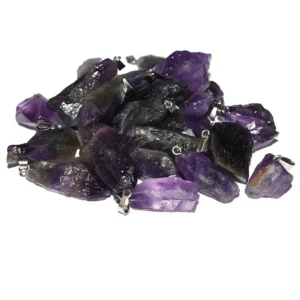
| Amethyst | Reflection and calm | Clusters, polished stones | Choose a stable piece with secure placement |
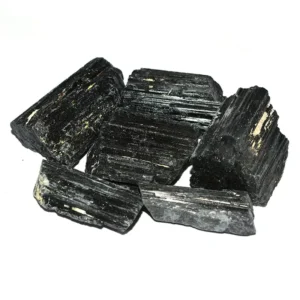
| Black Tourmaline | Grounding and protection | Rough specimens, tumbled stones | Inspect loose fragments and chipped edges |
| Black Obsidian | Protection and self-reflection | Palm stones, spheres, bracelets | Avoid pieces with sharp or damaged edges |
When comparing the best cleansing crystals, consider how you plan to use and care for each piece. Stones described as purification crystals carry traditional symbolism, while their size, finish, and condition determine how they fit into your collection.
Selenite: A Common Crystal for Cleansing
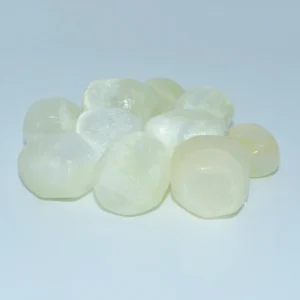
Selenite is often the first stone people consider when choosing a crystal for cleansing. In crystal traditions, people place smaller stones beside a selenite wand or on a plate as part of a symbolic renewal ritual. Its pale appearance also makes it easy to combine with other stones in a simple display.
Choose the shape around its intended use. A flat plate provides space for arranging small items, while a tower works as an upright display piece. Check that the surface is smooth and the base sits securely. Placing harder stones directly against a soft surface can leave scratches, so handle the arrangement gently.
Products sold as “selenite” often include fibrous satin spar, another form of gypsum. Sellers should identify the material clearly and provide suitable care instructions. Neither material physically cleans another stone simply through contact.
Clear Quartz: A Versatile Choice
Clear quartz is another familiar option among stones for cleansing. People commonly associate it with clarity, intention, and renewal. Some place smaller crystals near a quartz cluster during meditation or quiet reflection, although this practice does not establish a measurable transfer of energy.
A polished quartz stone offers a compact option for personal use. Clusters and points suit displays, but their uneven surfaces require more care when arranging jewelry nearby. Keep bracelets away from sharp tips that could catch the cord or scratch components.
For retail buyers, useful selection points include size, surface condition, stability, and packaging. These details help customers choose an item they can handle and display comfortably.
Amethyst: For Reflection and Quiet Rituals
Amethyst often appears in cleansing collections because crystal traditions link it with calm and reflection. For example, some people keep an amethyst cluster beside a journal or use a polished stone during meditation. Its purple color also offers a clear visual contrast to selenite and clear quartz.
If you prefer a simple routine, place amethyst in a quiet space and use it as a reminder to pause and set an intention. However, choosing a stone for its symbolism does not mean it can remove a measurable negative force.
Black Tourmaline: For Cleansing and Protection Themes
Black tourmaline is a common choice for people seeking crystals for cleansing and protection. In spiritual traditions, it represents grounding and personal boundaries. As a result, some users place it near an entrance or include it in a small meditation display.
For a compact arrangement, combine black tourmaline with selenite and clear quartz on a stable tray. This creates a simple contrast between dark, pale, and transparent stones. Before arranging rough pieces, check for loose fragments and damaged edges.
Black Obsidian: For Symbolic Renewal
Black obsidian often represents protection and self-reflection in modern crystal practices. Unlike rough specimens, polished palm stones offer a smooth shape that is convenient to hold during a quiet ritual.
For example, you might keep an obsidian palm stone nearby while writing down intentions or reflecting on a fresh start. Alternatively, choose a sphere for display, using a secure stand to prevent rolling. Check each piece for chips or sharp edges before handling it.
Together, these options give you several ways to build a personal cleansing collection. Rather than selecting every stone, start with one or two that suit your preferred routine, available space, and budget.

What Crystal Cleanses Other Crystals?
Selenite and clear quartz are the most familiar answers to what crystal cleanses other crystals in modern crystal traditions. People often arrange smaller stones beside a selenite wand, on a flat plate, or near a quartz cluster as part of a symbolic reset. However, this practice does not physically clean the stones or establish that energy transfers between them.
If you are looking for crystals that cleanse other crystals, a simple arrangement is enough:
- Check the items first. Look for dust, chipped edges, loose settings, or damaged bracelet cord.
- Choose a stable surface. Place a selenite plate or quartz specimen on a secure tray.
- Arrange the stones gently. Leave space between pieces to reduce rubbing. Direct contact is not necessary for a personal ritual.
- Take a quiet moment. Use reflection, breathing, or an intention to mark the start of your routine.
- Return the items to storage or display. Keep delicate pieces separate where needed.
Some people leave their stones overnight; others prefer a brief session. Either way, there is no established duration that makes the ritual more effective.
For jewelry, consider the whole piece before choosing an arrangement. For example, a bracelet can rest beside a cleansing stone instead of stretching around a tower or touching sharp quartz points. This keeps the ritual simple while protecting the cord and other components.
Crystals for Cleansing and Protection
People often choose crystals for cleansing and protection to represent two related intentions: making a fresh start and maintaining personal boundaries. In modern crystal traditions, selenite and clear quartz commonly symbolize renewal, while black tourmaline and black obsidian represent protection.
For example, you can arrange a selenite wand beside a black tourmaline specimen on a small tray. Alternatively, pair clear quartz with a polished obsidian palm stone if you prefer a compact collection. Choose pieces that fit the available space and sit securely.
Using Crystals in Your Home
An entrance table, bookshelf, or meditation corner can provide a practical place for a small arrangement. However, keep stones away from edges and busy areas where someone might knock them over. Use a secure stand for spheres, and avoid stacking heavy specimens on delicate pieces.
Some people describe these arrangements as crystals for cleansing negative energy. Here, “negative energy” expresses a spiritual belief or a personal sense of discomfort; it does not refer to a verified substance that stones remove. Instead, the display can serve as a reminder to pause, tidy your surroundings, or return to an intention.
Choosing a Combination for Daily Use
For a portable option, choose a smooth stone or a comfortable bracelet rather than a large display piece. You can then include it in a quiet routine, such as journaling or reflection.
When selecting stones for cleansing and protection, start with your preferred appearance, product form, and care needs. A small collection that you enjoy using is enough; adding more stones does not establish stronger protection or better results.

How to Use Cleansing Crystals
Using crystals for cleansing can be a simple personal ritual. Start by deciding what the practice means to you: a fresh beginning, a moment of reflection, or a way to mark the end of a busy day. Then choose a routine that suits both your preferences and the items involved.
Start With a Clear Intention
First, place your chosen stone on a clean, stable surface. Take a few comfortable breaths and choose a short intention, such as “I want to approach today with patience.” You can say it aloud, write it down, or reflect quietly.
For example, some people use crystals for purification as symbols of letting go of distractions. The value of this routine lies in its personal meaning, rather than a proven change in the stone’s properties.
Choose a Simple Ritual
Next, select one of these approaches:
- Quiet reflection: Keep a stone nearby while journaling or meditating.
- An arrangement beside selenite: Place smaller stones nearby without stacking or rubbing them together.
- Sound: Use a bell or singing bowl at a comfortable volume, keeping crystals beside the instrument rather than inside it.
- An indoor evening display: Arrange your stones in a dry, secure place as part of a moonlight-themed ritual.
You do not need water, salt, smoke, or direct sunlight to make the practice meaningful. In addition, choosing a dry routine avoids exposing jewelry components to unnecessary moisture.
Decide When to Repeat It
Finally, choose a schedule that feels useful. Some people enjoy cleansing with crystals when receiving a new piece, after meditation, or during a change in routine. Others prefer an occasional quiet moment.
There is no established requirement to repeat the ritual after every use. Physical dirt, however, needs appropriate cleaning, which is a separate part of caring for your collection.
Physical Cleaning and Crystal Care
Spiritual rituals and physical cleaning serve different purposes. While a ritual may help you reflect or renew an intention, it will not remove dust, skin oils, or dirt. Therefore, choose a cleaning method based on the actual material and the construction of the item.
Begin With Gentle Surface Care
First, inspect the stone for loose fragments, cracks, coatings, or glued parts. For light dust, gently use a clean, soft cloth without rubbing grit across the surface. If dirt remains, confirm suitable care instructions before adding water or a cleaning product.
Selenite and other gypsum products need particular care. Keep them dry, handle them gently, and avoid scrubbing their soft surfaces. Likewise, do not assume that every stone in a mixed collection can receive the same treatment.
Check Before Using Water, Salt, or Sunlight
Before rinsing or soaking a crystal, identify the material and any treatments. As explained in GIA’s guide to gemstone durability, hardness, toughness, and stability describe different aspects of durability. Therefore, Mohs hardness alone does not determine whether a stone is suitable for soaking. A harder stone may still contain fractures, fillings, or components that require different care.
Similarly, avoid using salt or saltwater as a default method. Direct contact can leave residue, and saltwater may damage metal components. If salt forms part of your personal ritual, keep it in a separate container rather than burying the item.
According to GIA’s amethyst care guide, some amethyst can fade after prolonged exposure to intense light. Therefore, avoid leaving an amethyst display in strong light for extended periods. Instead, choose a dry indoor arrangement when you want a ritual that avoids unnecessary exposure.
Care for the Whole Bracelet
For bracelets, consider the beads, cord, spacers, and any adhesive together. Even when the stone tolerates brief water contact, soaking may be unsuitable for the finished piece.
After wearing, gently wipe away surface residue and store the bracelet without stretching it. Also, check the cord and the areas around drill holes regularly. If you notice fraying, loose parts, or sharp damage, arrange a repair before wearing it again.

Choosing Cleansing Crystals for Your Shop
When sourcing crystals for cleansing, begin with a small range that customers can easily compare. For example, selenite wands, clear quartz clusters, polished stones, and bracelets offer different ways to build a themed collection. However, confirm availability and product specifications before planning a set.
Compare Materials and Workmanship
First, ask for the material name, dimensions, finish, and any disclosed treatments. Trade names can cover different materials, so clear identification helps you prepare accurate listings.
Next, request photos or videos of the actual batch. Check flat plates for chipped edges, towers for stable bases, and polished stones for surface damage. For bracelets, also review bead sizes, drill holes, cord condition, and finished length.
Price comparisons become more useful when the specifications match. Therefore, compare similar sizes, finishes, and quality levels rather than choosing solely by the lowest unit price.
Plan Packaging and Customer Instructions
For mixed sets, pack delicate pieces separately so harder stones cannot rub against them. Likewise, secure pointed specimens and keep heavy items from pressing against bracelets or soft gypsum products.
Include a short care card that separates traditional symbolism from physical maintenance. For instance, describe a cleansing ritual as an optional personal practice, then explain how to handle and store the actual products.
Finally, choose formats that fit your sales channels. Small tumbled stones suit compact assortments, while stone bracelets provide a wearable option. Confirm the contents, packaging, and acceptable batch variation before placing a wholesale order.
Frequently Asked Questions
What Crystals Are Good for Cleansing?
Selenite and clear quartz are common choices in modern crystal traditions. In addition, amethyst, black tourmaline, and black obsidian often appear in collections focused on reflection and protection. Choose according to your preferred ritual, appearance, and care needs.
What Is the Best Crystal for Cleansing?
There is no scientifically established best crystal for cleansing. However, selenite is a familiar choice for people who want a plate or wand for arranging other stones. Clear quartz offers an alternative for those who prefer transparent points or clusters.
What Crystals Are Used for Cleansing Other Stones?
Selenite and clear quartz are commonly described as crystals used for cleansing other stones in spiritual practices. People place their pieces nearby as part of a symbolic reset. However, proximity does not remove physical dirt or establish a measurable energy change.
How Do You Use Selenite to Cleanse Other Crystals?
First, place the selenite on a stable, dry surface. Then arrange smaller stones beside it or gently on a suitable plate, leaving space to prevent rubbing. Take a moment to reflect or set an intention. Direct contact and overnight placement are optional.
What Is the Difference Between Cleansing and Charging Crystals?
In crystal traditions, cleansing usually means symbolically releasing unwanted influences, while charging means renewing an intention. Although people sometimes combine these practices, neither term describes a verified change in a stone’s therapeutic power.
Can All Crystals Go in Water?
No. Before using water, check the material, treatments, fractures, and any attached components. Also, remember that hardness alone does not establish water safety. When the material is uncertain, avoid soaking and ask for suitable care instructions.
How Do You Cleanse a Crystal Bracelet Before Wearing It?
Begin by checking the beads, cord, and fittings. For a personal ritual, rest the bracelet beside a cleansing stone or use quiet reflection. Separately, follow the bracelet’s care instructions to remove surface residue without soaking or stretching it.
How Often Should You Cleanse Crystals?
There is no required schedule for spiritual cleansing. For example, you might choose a ritual when receiving a new stone or starting a new routine. Physical cleaning, meanwhile, depends on visible dirt, handling, and the item’s care requirements.
Conclusion
Crystals for cleansing offer a way to bring personal symbolism into meditation, reflection, and daily routines. Selenite and clear quartz are familiar starting points, while amethyst, black tourmaline, and obsidian provide other options for cleansing and protection themes. Ultimately, choose stones that suit your preferences, available space, and care needs.
For retailers, clear material descriptions, careful packaging, and practical care instructions help customers make informed choices. Equally, describe spiritual associations as traditions rather than guaranteed results.
To source wholesale cleansing crystals, send Rocrystal your preferred materials, shapes, sizes, quantities, and packaging requirements. Contact us on WhatsApp or submit an inquiry through our contact form to request current availability and a quotation.
References
- GIA — Amethyst Care and Cleaning Guide: Information on amethyst durability, light exposure, temperature changes, and cleaning.
- GIA — Tips on Caring for Jewelry: Guidance on gemstone care, treatments, cleaning precautions, and storage.
- GIA — More than the Mohs Scale: Understanding Gem Durability: An explanation of hardness, toughness, and stability when assessing gemstone care.
These sources support the physical care information in this article. They do not establish that crystals remove negative energy or cleanse other stones.
Disclaimer
This article discusses crystal traditions, product selection, and general care. Spiritual cleansing reflects personal beliefs and does not establish that crystals remove measurable negative energy or provide medical benefits. Crystals should not replace professional healthcare. For physical cleaning, follow instructions specific to the material, treatments, and finished product.