
Blue Tigers Eye Meaning: Benefits, Properties & Uses
Written by Roc Gong | Founder of RoCrystal
Last updated: November 2, 2026
Blue tigers eye meaning centers on calm focus, confidence, and protection in modern crystal traditions. Its dark blue appearance and shifting, silky light make it a popular choice for jewelry and personal symbolism. These spiritual associations reflect beliefs rather than scientifically proven effects.
However, choosing a stone involves more than understanding its meaning. Is blue tiger eye natural? Why do some pieces contain golden bands, while others look almost black? This guide explores its symbolism, benefits, and uses alongside practical advice on color, authenticity, and quality. It also includes my wholesale inspection experience with batches that did not meet the customer’s color or surface requirements.
What Is Blue Tiger’s Eye?
Appearance, Color, and Chatoyancy
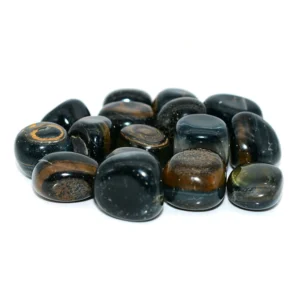
Blue tiger’s eye is the dark blue variety of tiger’s-eye quartz. Its most distinctive feature is chatoyancy: a band of reflected light that appears to move when you turn the polished stone. According to GIA’s review of optical effects in gemstones, fibrous mineral inclusions create this effect in tiger’s eye.
In the batches I inspect, colors range from blue-gray and deep navy to nearly black. Some pieces also show fine yellow or golden areas. Under weak indoor lighting, the blue can be difficult to see. Rotating the stone beneath a directional light often reveals its bands more clearly.
| Feature | What to look for |
|---|---|
| Color | Blue-gray, deep blue, or a very dark appearance |
| Optical effect | A silky light band that shifts as the stone turns |
| Color variation | Some pieces combine blue and golden areas |
| Viewing conditions | Compare the stone from several angles under consistent lighting |
When examining a blue tiger eye gemstone, consider both its base color and its moving reflection. A single bright photograph may emphasize the blue without showing how the piece looks during everyday wear.
Blue Tiger’s Eye, Hawk’s Eye, and Falcon’s Eye
Hawk’s Eye and Falcon’s Eye are alternative names used for this dark blue material. GIA uses both terms for the blue variety, explaining that its amphibole inclusions retain more of their original color than those in golden-brown tiger’s eye.
Product listings and searches use several spelling variations, including “blue tiger eye rock,” “blue tigereye,” “hawks eye stone,” “hawk eye stone,” “hawks eye crystal,” and “hawkeye crystal.” These expressions can help you find related listings, but they are not separate mineral classifications. These names help describe the material, but they do not establish the quality or treatment status of an individual piece. Those questions require a closer assessment, which we will address later in this guide.

Blue Tigers Eye Meaning and Spiritual Symbolism
Calm Focus, Confidence, and Protection
Blue tiger eye meaning is often associated with a calm, watchful approach to life. In modern crystal traditions, its dark color and moving light symbolize awareness: noticing what is happening before deciding how to respond.
Rather than representing bold action alone, blue tigers eye spiritual meaning emphasizes steady confidence. Some people choose it as a reminder to speak thoughtfully, maintain personal boundaries, or approach difficult conversations with patience.
The main symbolic themes include:
- Calm focus: pausing to gather your thoughts before acting.
- Confidence: expressing yourself without rushing or becoming forceful.
- Protection: using the stone as a personal symbol of boundaries and security.
- Awareness: considering both immediate details and the wider situation.
These themes also appear in descriptions of blue tigers eye metaphysical properties. Here, “protection” refers to a spiritual belief or personal intention, rather than a physical shield against harm. Similarly, blue tigers eye crystal meaning concerns the significance people assign to the stone, separate from its measurable mineral properties.
Chakra and Zodiac Associations
In contemporary chakra practices, blue tiger eye is commonly associated with the third eye, which symbolizes insight and awareness. Some practitioners also connect it with the throat chakra, reflecting themes of communication and self-expression. These associations belong to spiritual systems rather than anatomy.
However, there is no single agreed blue tiger eye chakra correspondence. Different writers and practitioners may emphasize different symbolic connections. Descriptions of blue tiger eye metaphysical properties should therefore be understood within the tradition presenting them.
Zodiac associations vary as well. You do not need to belong to a particular sign to appreciate or wear the stone. When considering blue tiger eye stone meaning, a personal connection to its symbolism can be more useful than treating a zodiac list as a rule about who may wear it.
Blue Tiger Eye Benefits and Everyday Uses
A Reminder for Calm and Thoughtful Decisions
The most practical way to approach blue tiger eye benefits is to connect the stone with an action you choose. Whether described as blue tiger eye crystal benefits or blue tiger eye stone benefits, the symbolic themes remain the same. To explore the benefits of blue tiger eye in daily life, start with a simple habit you can practice consistently. For example, a bracelet can remind you to pause before answering a difficult question. A polished piece on your desk can serve as a cue to review your priorities before starting another task.
So, what is blue tiger eye good for in everyday life? Beyond its decorative appeal, you can use it as a personal reminder during routines such as:
- Before a conversation: decide what you want to communicate and listen before responding.
- While working: choose one task, reduce distractions, and set a realistic stopping point.
- When making a decision: write down the facts, uncertainties, and available options.
In this context, blue tigers eye benefits come from the meaning you attach to the object and the habits you practice. The stone does not make decisions for you or guarantee a particular emotional response.
Meditation and Personal Rituals
Blue tiger eye can also become part of a simple meditation routine. Hold a smooth piece comfortably, or place it where you can see it. Then breathe naturally and choose a short intention, such as “I will listen before responding.” If your attention wanders, gently return to your breath.
Alternatively, keep the stone beside a journal. At the end of the day, use it as a prompt to record one thoughtful choice and one situation you would handle differently. This gives the ritual a clear purpose without requiring complicated steps.
Descriptions of blue tigers eye healing properties often connect the stone with emotional balance, clarity, and protection. Similarly, blue tiger eye healing properties are discussed within crystal practices as spiritual associations, rather than established medical effects. You can enjoy these traditions while keeping expectations grounded in your own experience.


Is Blue Tiger Eye Natural or Dyed?
Natural Color and Blue-and-Gold Variation
Natural blue tiger eye does exist. Its blue color does not automatically indicate dye. In GIA’s review of phenomenal gemstones, the dark blue variety is described as retaining the original color of less-altered amphibole inclusions. In golden-brown tiger’s eye, those inclusions have weathered to iron oxides and hydroxides.
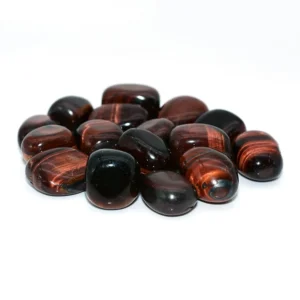
When comparing blue tiger eye vs yellow tiger eye, this difference helps explain their contrasting appearance. However, an individual piece can show more than one color. In my sourcing experience, predominantly blue material sometimes contains fine golden streaks. Their presence alone does not establish whether a stone has undergone treatment.
So, is blue tigers eye natural simply because it looks dark and uneven? Not necessarily. Natural blue material exists, but that fact cannot confirm the treatment status of every bracelet or strand sold under the name.
What Appearance Can—and Cannot—Tell You
To assess real blue tigers eye, separate three questions: What is the material? Is its color natural? Does its quality match the description? A genuine natural stone can still receive a color treatment, while an imitation may resemble its appearance.
GIA’s guide to gem treatments identifies quartz among materials that can be dyed and notes that treatments are not always obvious to an untrained observer. Therefore, “natural stone” and “untreated color” should not be treated as interchangeable descriptions.
Use visual checks to gather information, rather than reach a final diagnosis:
- Compare the stone under consistent lighting and from several angles.
- Ask the supplier whether the material has received color treatment.
- Request clarification when “natural” appears without a treatment statement.
- Seek a qualified gemological assessment when confirmation matters.
A listing described as “royal blue tiger eye” may emphasize an intense shade, but the color name does not establish whether that shade is natural. Likewise, vivid blue is a reason to ask questions, not proof of dye. A moving light band also does not prove authenticity: GIA also documents chatoyant glass and plastic imitations. The answer to “is blue tiger eye natural or dyed?” requires evidence about the particular piece, beyond its name or photograph.
Blue Tiger’s Eye Jewelry: Bracelets, Beads, and Rings
Bracelets and Beads
A blue tiger eye bracelet offers a simple way to enjoy the stone’s shifting light throughout the day. Smaller beads create a subtle look, while larger beads give the color and light bands more visual space. Choose a size that feels comfortable on your wrist, especially if you work at a desk or wear several bracelets together.
Blue tiger eye bracelet meaning follows the stone’s broader associations with calm focus, confidence, and protection. Wearing it can serve as a personal reminder of an intention, although the bracelet format does not give the material additional powers.
For jewelry makers, blue tiger eye beads meaning can help explain a design’s symbolism on a product card. Keep that description separate from specifications such as bead diameter, hole size, strand length, and treatment information. This gives customers both the story behind the piece and the details they need to choose it.
When planning a design, consider:
- Bead size: balance visual impact with weight and comfort.
- Fit: allow comfortable movement without making the bracelet excessively loose.
- Pairings: compare metal finishes and neighboring beads beside the actual material.
For more jewelry-making options, explore our stone beads. If you prefer finished pieces, browse our stone bracelets for your retail collection.
Rings, Pendants, and Necklaces
Blue tigers eye jewelry also includes rings, pendants, and necklaces. A blue tigers eye pendant can showcase a single polished piece, while a blue tigers eye necklace may feature either a pendant or a sequence of beads. In either design, a curved, polished blue tiger eye crystal can make the moving light band a focal point.
When choosing a blue tigers eye ring, check how the stone looks while your hand moves naturally. Also consider whether the setting feels comfortable and holds the stone securely. A striking face-up photograph tells you little about how a ring feels between your fingers.
Pendants and necklaces offer another way to display a larger piece. Check the pendant’s weight, chain length, and bail opening before purchasing. For retailers and designers, these practical details make blue tiger eye jewelry descriptions more useful than repeating symbolic benefits alone.
My Experience Checking Blue Tiger’s Eye Quality
When Too Much Yellow Does Not Match the Order
When sourcing dark blue tiger eye for wholesale orders, I check whether the finished goods match the color the customer requested. Some pieces have small, fine yellow or golden areas within a predominantly blue surface. In my batch inspections, I can accept this variation when it remains consistent with the agreed appearance.
However, I once received a finished batch with large yellow areas across many pieces. Some looked predominantly yellow rather than blue. Because the customer had ordered blue material, I rejected the batch and returned it to the factory.
The issue was the mismatch between the order and the finished goods. A piece can have natural color variation and still be unsuitable for a particular order. My decision concerned color consistency and customer expectations; it was not a gemological conclusion about treatment.
Tiny Surface Pits and Poor Polish
On another production run, the basic color was acceptable, but many finished pieces had numerous tiny pits. Their surfaces looked almost as though someone had repeatedly pricked them with a needle. I returned those pieces as well and asked the factory to rework the order.
This experience shaped how I assess blue tigers eye properties in a practical buying context. An attractive color does not compensate for a surface finish that falls below the ordered standard.
Before approving polished goods, I check:
- Color balance: does the proportion of blue and yellow match the order?
- Chatoyancy: how clearly does the light band appear as the piece turns?
- Polish: is the finish even across the visible surface?
- Surface condition: are pits, chips, or other defects acceptable for the agreed grade?
Natural variation leaves room for individual character. Nevertheless, I distinguish that variation from goods that fail to match the customer’s requested color or finish.

How to Clean and Care for Blue Tiger’s Eye
Cleaning and Storage
Start with a soft cloth to remove dust and fingerprints from polished blue tiger eye. If more cleaning is necessary, check the supplier’s care instructions, especially when the treatment status is unknown. For jewelry, consider the whole piece: elastic cord, metal fittings, adhesives, and other stones may require different care.
For a piece whose care instructions allow water, use a lightly dampened cloth and dry it afterward. Avoid soaking an assembled bracelet or necklace when you do not know how its components will respond.
Keep these practical points in mind:
- Store pieces separately in a soft pouch or lined compartment.
- Remove jewelry before activities that expose it to impacts or household cleaners.
- Avoid alcohol, acetone, and other solvents when color treatment is possible.
According to GIA’s guide to gem treatments, solvents can affect some dyes, while prolonged sunlight can fade certain dyed colors. These precautions matter when treatment information is incomplete; they do not mean every blue stone has been dyed.
Physical Cleaning and Ritual Cleansing
Physical cleaning removes surface dirt. Ritual cleansing, by contrast, is a spiritual practice that some people use to mark a fresh intention. It does not replace ordinary jewelry care.
If you enjoy a cleansing ritual, choose an approach that requires no soaking, chemicals, or heat. For example, place the stone on a soft cloth, pause quietly, and reflect on the intention you associate with it.
You can also incorporate gentle sound into the routine. Treat this as a personal practice rather than a proven method of changing the stone’s physical properties or removing measurable “negative energy.”
Frequently Asked Questions
Who should not wear blue tiger eye stone?
There is no universally agreed spiritual rule that excludes a particular zodiac sign or group from wearing blue tiger eye. For practical comfort, choose jewelry that fits properly and avoid metal components that irritate your skin. If a bracelet feels heavy or restrictive, adjust its size or choose a lighter design.
Does blue tiger eye have different benefits for men and women?
There is no established evidence that the stone produces different effects according to gender. Searches for “blue tiger eye benefits for male” generally concern the same themes of confidence, calm focus, and protection discussed in crystal traditions. Choose a piece according to your preferences and intended use rather than claims of gender-specific powers.
Can blue tiger eye look almost black?
Yes. In the batches I inspect, some pieces appear nearly black under weak indoor lighting. Turning them beneath a directional light can reveal their blue bands more clearly. However, darkness alone does not establish authenticity or treatment status.
Can blue tiger eye contain yellow or golden bands?
Yes. I sometimes see fine golden areas within predominantly blue material. Whether that appearance suits an order depends on the agreed color balance. Small streaks and a mostly yellow piece create different visual results, even when both appeal to different buyers.
Which wrist should you wear a blue tiger eye bracelet on?
Either wrist is suitable for ordinary wear. Some spiritual practices assign different meanings to the left and right sides, but these are belief-based preferences rather than proven requirements. Choose the wrist that feels comfortable and allows the bracelet to move without interfering with your daily activities.
Conclusion
Blue tigers eye meaning brings together themes of calm focus, confidence, and protection in modern crystal traditions. Its silky light and deep blue appearance also give it appeal beyond spiritual symbolism.
When choosing a piece, consider its appearance, treatment information, and suitability for your needs. For wholesale orders, distinguish acceptable natural variation from goods that do not match the agreed color or finish.
Looking for blue tiger eye beads, bracelets, or polished products for your business? Contact Rocrystal through WhatsApp or our contact form to discuss your requirements.
Disclaimer
Crystal meanings, chakra associations, and healing traditions reflect spiritual beliefs rather than scientifically established medical benefits. This article is for general information and does not replace professional medical advice, diagnosis, or treatment.
References
- GIA — Structures Behind the Spectacle: A Review of Optical Effects in Phenomenal Gemstones and Their Underlying Nanotextures. Supports the discussion of tiger’s-eye chatoyancy, blue coloration, Hawk’s Eye terminology, and chatoyant imitations.
- GIA — An Introduction to Gem Treatments. Explains gemstone treatments, detection limitations, and care considerations for treated materials.