
Golden Tiger Eye: Meaning, Color, and Buying Tips
Written by Roc Gong | Founder of RoCrystal
Published: November 08, 2026
Golden tiger eye is the familiar yellow-to-brown form of tiger’s eye quartz. Turn a polished bead under a lamp and a silky band of light appears to glide across its surface. That moving band, known as chatoyancy, gives the stone much of its appeal in bracelets, pendants, and polished pieces. Gemdat’s tiger’s eye reference
This guide explains what gives golden tiger eye its color and sheen, what it symbolizes, and what to look for when choosing loose beads or finished jewelry.
What Is Golden Tiger Eye?
Golden tiger eye is a variety of quartz with bands that range from honey yellow to deep brown. A gold tiger eye stone can show both shades in the same piece. For example, one side of a polished bead may look mostly brown until you turn it and a golden band catches the light.
Sellers use names such as gold tiger eye and yellow tiger eye for stones in this color range. You may also see golden tiger eye crystal in crystal shops and golden tiger eye gemstone in jewelry listings. These names describe the same material in different contexts.
Search terms such as “golden tigers eye,” “gold tigers eye,” and “golden tigers eye stone” are spelling variants you may come across when comparing listings. If two suppliers use different names, ask for photos of the actual stones under similar lighting so you can compare their color and banding directly.
What Gives Golden Tiger Eye Its Color and Sheen?
Golden tiger eye has two features you can observe separately: the gold and brown bands in the stone and the silky highlight that moves when you tilt it. To see the difference, hold a polished bead still and note its background color. Then rotate it slowly under a fixed light. The bright highlight shifts across the surface while the underlying color pattern stays in place. Gemdat’s tiger’s eye reference
That moving highlight is called chatoyancy. In tiger eye, quartz grows alongside parallel mineral fibers, and this structure produces the silky effect. As a result, a bead that looks dark brown from one angle can show a bright golden flash from another. Gemdat’s explanation of the optical effect
When comparing strands of golden brown tiger eye, place them side by side under the same light. First, compare how much yellow and brown you see across each strand. Then rotate both strands and watch how evenly the beads catch the light. This gives you a better sense of how the finished bracelet will look in motion.
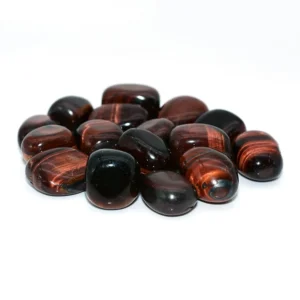

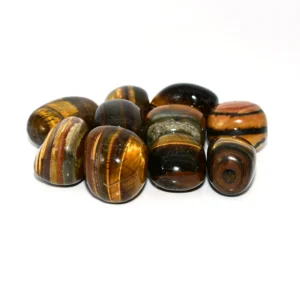

Golden Tiger Eye Meaning
In modern crystal traditions, golden tiger eye symbolizes courage, self-confidence, and steady judgment. Its warm gold tones often suggest confidence, while its brown bands are associated with a sense of stability. Some people wear it as a personal reminder to stay composed and take the next step when facing a difficult decision.
The phrase yellow tiger eye meaning generally refers to the same symbolism. People may choose a lighter, honey-colored stone or a deeper golden-brown piece based on appearance, while attaching similar personal meaning to either shade.
For a gift, a golden tiger eye bracelet can express encouragement before a new job or an important milestone. For more on the symbolism shared across different colors, see our guide to tiger eye stone meaning.
How to Choose Golden Tiger Eye
When buying golden tiger eye for jewelry, compare a full strand under the same light. A close-up of one bead can show the stone’s detail, but a view of the whole strand tells you whether the colors and finish work together.
Compare Color and Sheen Across the Strand
First, check the balance of honey yellow and dark brown. If you want a bracelet with an even tone, look for beads with similar background colors. If you want a more varied pattern, choose a strand with a wider mix of light and dark beads.
Next, rotate the strand under a fixed light. The beads may catch the light at different angles, so watch the whole strand as it turns. Also check the polish and look for chips around the drill holes, where flaws are easy to miss in a front-facing photo.
Set a Reference for Repeat Orders
For a bulk order, keep an approved strand or a photo that shows the range of shades you’ll accept. For example, if you want honey yellow to medium brown with only a few dark beads per strand, say so when you order. Before a reorder, ask for a photo of the new batch under similar lighting and compare it with your reference.
If you’re comparing product formats as well as shades, browse our tiger eye collection.

Golden Tiger Eye in Beads, Bracelets, and Tumbled Stones
The shape of a golden tiger eye gemstone affects how much of its pattern you see. Round beads break the pattern into small flashes along a strand, while a larger polished stone gives you more room to see the bands together.
Beads for Jewelry Making
Choose round stone beads when you want a repeating pattern in a bracelet or necklace. For a focal bead, try a larger oval or flat shape that shows more of the banding. Before ordering, match the drill-hole size to your cord and check that the strand gives you enough usable beads for the design.
Finished Bracelets
When selecting stone bracelets, look at how the beads sit together on the wrist. For example, you can space darker beads between honey-colored ones for contrast or group similar shades for a more even look. For a retail order, confirm the finished bracelet size as well as the bead diameter.
Tumbled Stones for Gifts and Display
Golden tiger eye tumbled stones work well as pocket stones, small gifts, or display pieces. If you sell them individually, look for pieces with a broad polished face where customers can see the bands. If you sell them in sets, check that the pieces fit the same packaging even when their shapes vary.
Frequently Asked Questions
Are Golden Tiger Eye and Yellow Tiger Eye the Same?
Sellers often use both names for tiger eye in the yellow-to-brown color range. However, one supplier’s “yellow” may look lighter than another supplier’s “golden.” If shade matters to your design, ask to see the actual batch.
What Is Tiger’s Eye Good For?
Tiger eye works well for beaded jewelry, pendants, and small polished pieces. Some people also wear golden tiger eye as a personal symbol of courage or confidence.
Why Does Golden Tiger Eye Look Darker From Some Angles?
The bright band reflects light toward you at certain angles. As you turn the stone, the highlight moves and the darker background becomes easier to see. Gemdat’s explanation of tiger’s eye
Does a Golden Color Mean the Stone Is Untreated?
A golden color alone cannot confirm treatment status. Gemdat lists bleaching and dyeing among the possible treatments for tiger eye. If you plan to describe your stock as untreated, ask the supplier for written confirmation for that batch. Gemdat’s treatment information
Can I Match the Color of a Previous Order?
Use a bead or strand from the previous order as your reference. If possible, ask the supplier to show the reference and the new batch side by side under the same light. Agree on an acceptable range of shades before approving the reorder.
Conclusion
Golden tiger eye brings warm yellow and brown bands to beads, bracelets, and polished stones. For wholesale orders, use an approved sample to agree on the shade range and finish. Keep that sample as a reference when you reorder.
To discuss a wholesale order, send Rocrystal your preferred shade, product format, size, and quantity via WhatsApp or our contact form.
Disclaimer
The symbolic meanings in this article reflect modern crystal traditions and personal beliefs. They do not represent scientifically established health benefits.
References
- Gemdat — Tiger’s Eye. Reference for the stone’s quartz classification, gold and brown color range, moving sheen, and documented treatments.